Water sportswear defines how well you perform and stay comfortable during aquatic activities. Choosing the right gear protects your body from harsh elements while enhancing your natural movement. Let us explore the best water sportswear options to elevate your next aquatic adventure.
Selecting the proper water sportswear requires understanding your specific activity needs, local climate, and personal comfort preferences. This comprehensive guide covers everything from material science and thermal protection to care instructions. You will learn how to identify high-quality garments, avoid common purchasing errors, and maximize the lifespan of your aquatic apparel for sustained peak performance.
Understanding the Importance of High-Quality Water Sportswear
Your choice of water sportswear directly impacts your safety, endurance, and enjoyment in the water. High-quality aquatic apparel does much more than simply cover your body; it acts as a secondary skin designed to regulate temperature, prevent chafing, and provide buoyancy. When you invest in premium water sportswear, you are investing in advanced textile engineering that combats the rapid heat loss humans experience when submerged.
Beyond thermal regulation, proper water sportswear protects your skin from severe environmental hazards. Prolonged sun exposure reflects off the water surface, multiplying the intensity of ultraviolet rays. Excellent water sportswear features built-in UPF ratings that block harmful radiation. Furthermore, these garments shield against jellyfish stings, sharp coral reefs, and abrasive sand. Professional athletes consistently prioritize their water sportswear because they know that physical discomfort quickly drains energy reserves. If you want to maximize your time in the ocean, lake, or pool, treating your water sportswear as essential technical equipment is the first step toward better performance.
Essential Materials Used in Modern Water Sportswear
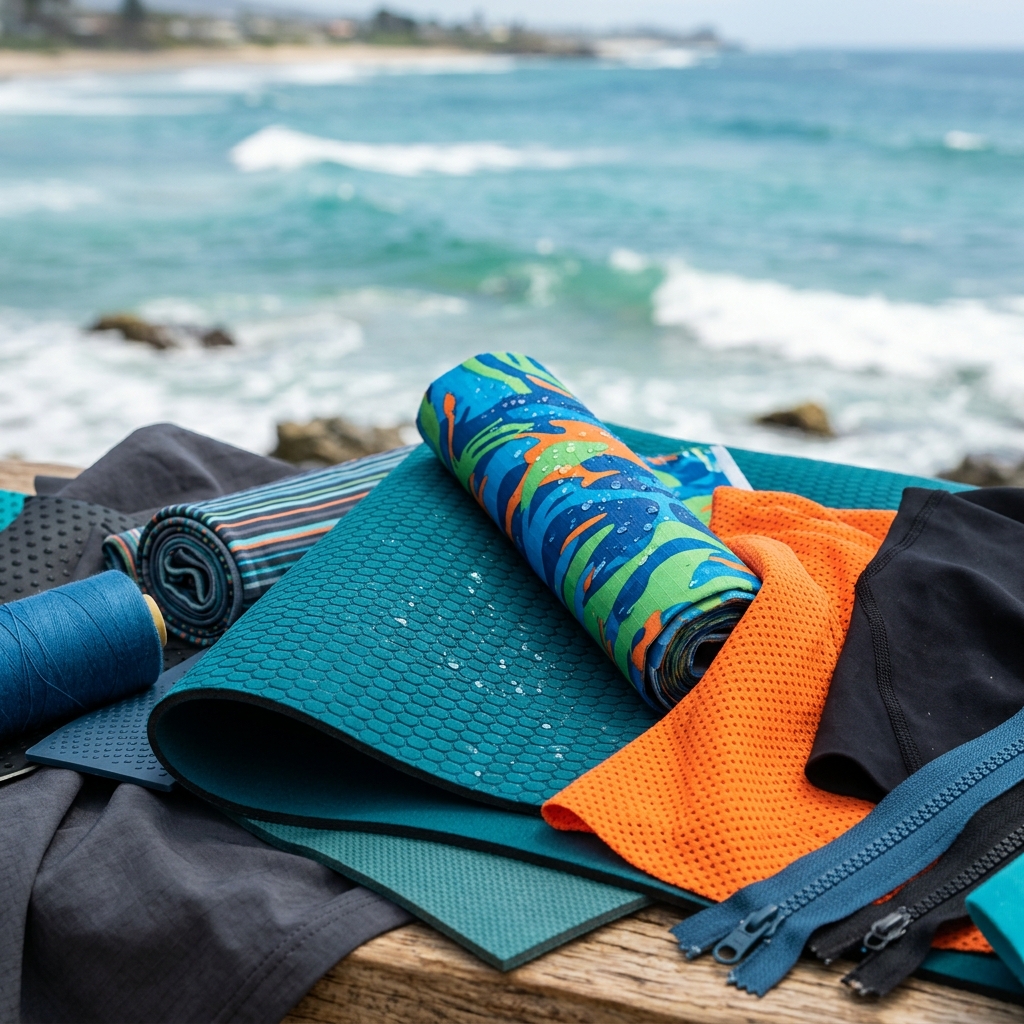
The evolution of water sportswear relies heavily on advanced material science. Manufacturers constantly test new synthetic blends to find the perfect balance between flexibility, durability, and insulation. Neoprene wetsuits remain the industry standard for cold environments. Neoprene contains millions of microscopic nitrogen gas bubbles that trap a thin layer of water against your skin. Your body heat warms this water, creating a powerful thermal barrier. Thicker neoprene provides more warmth but slightly restricts mobility, forcing designers to use variable thickness paneling in modern water sportswear.
For warmer climates, rash guards made from nylon and spandex blends dominate the market. Nylon offers exceptional strength and resistance to tearing, while spandex provides the incredible elasticity required for swimming and paddling. Together, they create water sportswear that stretches up to five times its original length without losing shape. Another critical material is polyester, frequently used in board shorts and competitive swimwear. Polyester resists chlorine degradation and UV fading much better than nylon, making it the superior choice for pool training. Understanding these materials helps you read water sportswear labels effectively and choose the exact fabric composition required for your specific surfing gear guide needs.
Top Water Sportswear for Surfing and Paddleboarding
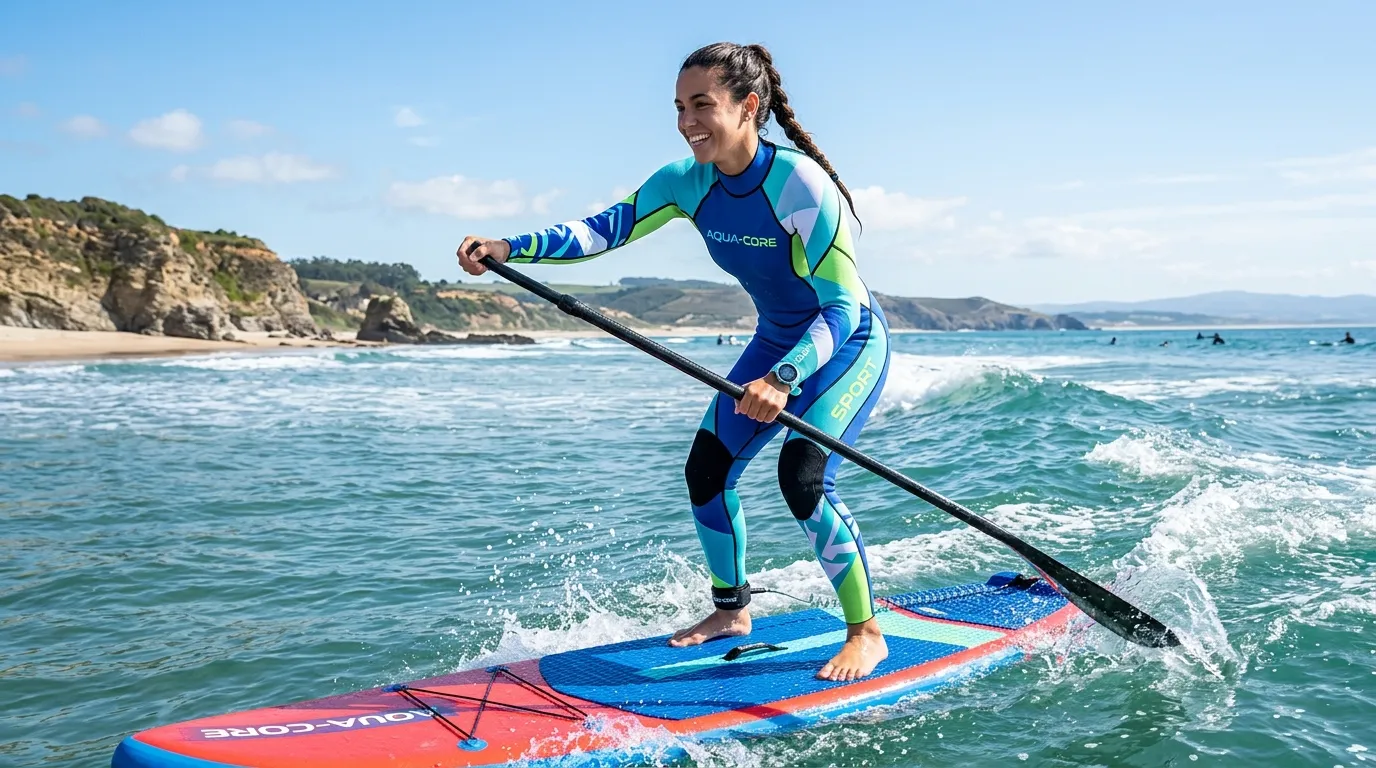
Surfing and paddleboarding demand water sportswear that accommodates massive upper body rotation and rapid transitions from sitting to standing. The best water sportswear for these sports minimizes seam placement around the shoulders and underarms to prevent severe chafing during repetitive paddling motions. A well-designed surfing top uses blind-stitched and glued seams to ensure water does not flush rapidly through the garment, maintaining your core temperature during long sessions.
When selecting water sportswear for board sports, grip and board connection matter immensely. Many modern wetsuits feature textured chest panels that grip the surfboard wax, providing extra stability when paddling through heavy surf. Similarly, water shoes or reef booties designed specifically for surfing feature split-toe designs that allow your foot to grip the board naturally. For those paddling in direct sunlight, hooded sun shirts have become highly popular water sportswear. They protect the neck and ears from intense UV reflection while remaining loose enough to allow cooling airflow when standing on a paddleboard. Always consider your local water temperatures and pair your core water sportswear with appropriate buoyancy aids for maximum safety.
Surfing Gear Comparison Table
|
Gear Type |
Best Environment |
Primary Benefit |
Durability Level |
|---|---|---|---|
|
Full Wetsuit (4/3mm) |
Cold Water (50-60°F) |
Maximum thermal retention |
High |
|
Spring Suit (2mm) |
Mild Water (65-75°F) |
Core warmth with limb mobility |
Medium |
|
UPF 50+ Rash Guard |
Tropical (75°F+) |
Sun and abrasion protection |
High |
|
Neoprene Top |
Windy/Mild conditions |
Wind chill prevention |
Medium |
Competitive swimming requires water sp
High-Performance Water Sportswear for Competitive Swimming
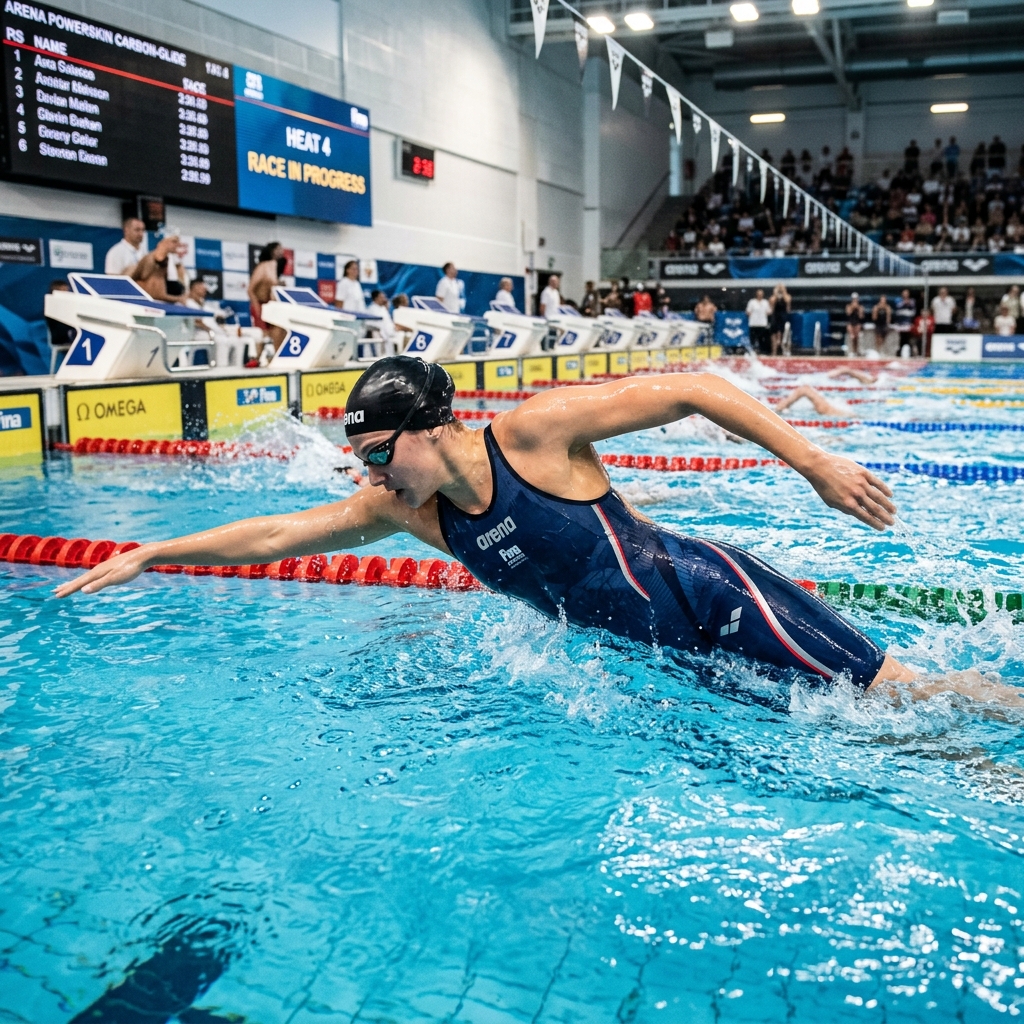
ortswear that aggressively reduces hydrodynamic drag. Water is nearly 800 times denser than air, meaning every loose thread or baggy pocket significantly slows a swimmer down. The highest tier of competitive water sportswear uses targeted compression technology. This compression streamlines the body into a hydrodynamic tube and supports major muscle groups, reducing fatigue-inducing muscle oscillation during explosive sprints.
The fabric used in racing water sportswear undergoes intense hydrophobic treatments. Instead of absorbing water, these advanced suits cause water molecules to bead up and roll off the surface. This keeps the water sportswear incredibly lightweight even when fully submerged. Additionally, designers use bonded seams instead of traditional stitching. Bonded seams lie completely flat against the skin, eliminating microscopic turbulence points that generate drag. While this highly specialized water sportswear is expensive and difficult to put on, the resulting speed advantages are undeniable. Athletes looking to improve their swimming techniques must pair their skill development with the right aerodynamic aquatic apparel.
Diving and Snorkeling: Choosing Thermal Water Sportswear
Scuba diving and prolonged snorkeling expose the body to sustained cold at significant depths. Water sportswear designed for diving focuses intensely on compression resistance. As a diver descends, water pressure crushes the gas bubbles inside standard neoprene, severely reducing its insulating properties. Specialized diving water sportswear utilizes high-density neoprene that resists this compression, ensuring the diver stays warm even at depths exceeding 60 feet.
Drysuits represent the pinnacle of cold-water water sportswear. Unlike wetsuits, drysuits completely seal the diver from the surrounding environment using tightly fitted latex or silicone seals at the neck and wrists. The diver wears highly insulating fleece undergarments beneath the waterproof shell. For tropical snorkeling, divers still require dedicated water sportswear like full-body dive skins. These ultra-thin suits provide zero thermal insulation but offer critical protection against stinging marine life and sharp underwater topography. For authoritative safety standards on diving equipment, you can always consult DAN (Divers Alert Network), which provides extensive research on how water sportswear protects against marine hazards.
Pro Tips for Selecting the Right Fit
- Measure your chest, waist, and hips precisely using a soft measuring tape before consulting any water sportswear sizing charts.
- Try on neoprene water sportswear when completely dry, as the material expands slightly once saturated with water.
- Perform full arm rotations and deep squats while trying on gear to ensure no seams painfully restrict your maximum range of motion.
Common Mistakes to Avoid When Buying Gear
Purchasing water sportswear based solely on visual aesthetics rather than technical specifications ruins many aquatic experiences. A common mistake involves buying a wetsuit that fits comfortably loose in the fitting room. Water sportswear made of neoprene must fit uncomfortably tight when dry; otherwise, massive amounts of cold water will flush through the loose gaps, defeating the suit’s entire thermal purpose.
Another frequent error is ignoring the UPF rating on summer water sportswear. Assuming a standard cotton t-shirt provides adequate sun protection is dangerous; a wet white cotton shirt offers a UPF of less than 5, allowing severe sunburns. Additionally, many buyers wash their premium water sportswear in washing machines with standard laundry detergent. The harsh chemicals in regular detergents destroy the hydrophobic coatings and break down neoprene bonds. Always opt for specialized wetsuit shampoos to preserve the structural integrity and elasticity of your valuable water sportswear.
How to Care for and Maintain Your Water Sportswear
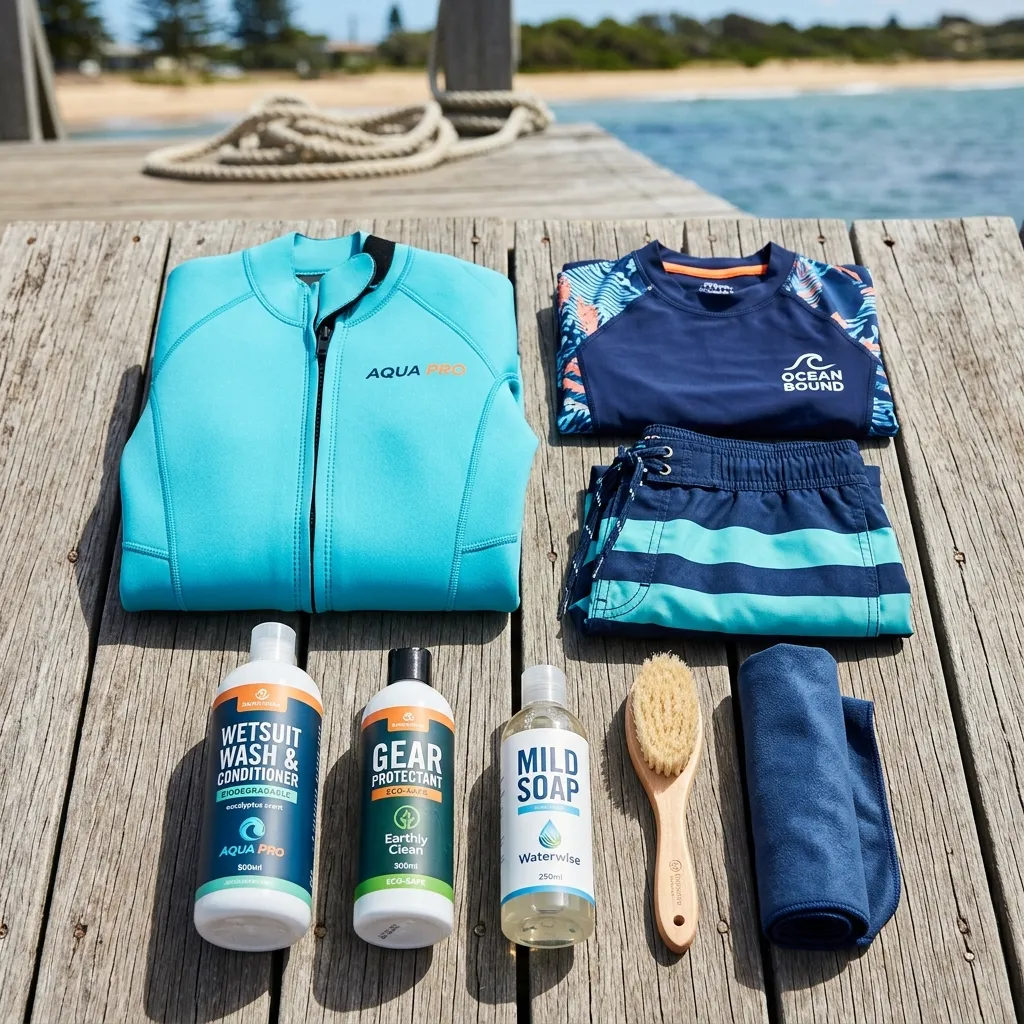
The longevity of your water sportswear depends entirely on your post-activity maintenance routine. Saltwater, chlorine, and direct sunlight actively destroy synthetic fibers. The absolute most critical step in maintaining water sportswear is rinsing the garment thoroughly with cool, fresh water immediately after exiting the ocean or pool. Never use hot water, as high temperatures permanently degrade the elasticity of spandex and neoprene.
Drying your water sportswear correctly is equally important. Never hang heavy, wet water sportswear by the shoulders on a thin wire hanger. The water’s weight will stretch the shoulders permanently out of shape. Instead, fold the garment in half over a thick, padded hanger or a drying rack. Always dry your water sportswear in the shade. Direct ultraviolet light bakes the synthetic materials, causing them to turn brittle and crack prematurely. By following these strict maintenance protocols, your water sportswear will continue to offer peak comfort and flexibility for multiple seasons.
Conclusion
Choosing the proper water sportswear transforms an average aquatic experience into a high-performance adventure. By prioritizing proper fit, understanding advanced material science, and committing to diligent maintenance, you protect your body and enhance your capabilities. Ready to upgrade your gear? Evaluate your specific aquatic needs today and invest in the premium water sportswear that will take your water activities to the next level.
FAQs
1. What exactly is water sportswear?
Water sportswear includes any specialized apparel designed specifically for aquatic environments. This encompasses wetsuits, rash guards, board shorts, drag-reducing swimsuits, and thermal undergarments that enhance comfort, safety, and physical performance in the water.
2. How tight should my water sportswear be?
Your aquatic garments, particularly those made of neoprene, should fit like a second skin. If the garment is loose, water will continuously flush through it, stripping away your body heat and causing severe drag during movement.
3. Can I use pool water sportswear in the ocean?
Yes, but it may not offer the necessary durability or thermal protection. Ocean-specific water sportswear typically features thicker materials, UPF protection, and reinforced seams to handle abrasive sand and salt, whereas pool gear focuses primarily on chlorine resistance.
4. How do I wash my water sportswear?
Always hand wash your gear in cool, fresh water. If it smells distinctly of lake water or sweat, use a specialized wetsuit shampoo. Never use standard laundry detergent, bleach, or fabric softeners on technical aquatic apparel.
5. What is the difference between a rash guard and a wetsuit?
A rash guard is a thin shirt made of spandex and nylon designed primarily to prevent sun exposure and board chafing. A wetsuit is made of thick neoprene designed explicitly to trap body heat and keep you warm in cold water.
6. Does water sportswear protect against jellyfish?
Yes, full-coverage water sportswear like dive skins and full wetsuits provide excellent physical barriers against most jellyfish tentacles and sea lice, significantly reducing the risk of painful aquatic stings.
7. How long should high-quality water sportswear last?
With rigorous fresh-water rinsing and proper shade drying, high-quality gear used frequently should last between two to four years. Competitive racing suits, however, may lose their intense compression after a single season of heavy use.
8. Is expensive water sportswear worth the investment?
For dedicated athletes and frequent water enthusiasts, yes. Premium garments utilize superior fabrics that offer better stretch, stronger seams, longer lifespans, and lighter weights, which directly translates to less fatigue and greater enjoyment.
9. What water sportswear should I wear for paddleboarding?
For warm conditions, a UPF 50+ sun shirt and quick-drying board shorts are ideal. In colder winds, layer a neoprene vest or a 2mm spring suit to protect your core temperature while keeping your arms free for paddling.
10. Can I put water sportswear in the dryer?
Never put technical aquatic apparel in a machine dryer. The intense, concentrated heat will melt the specialized glues used in the seams, destroy the elastic properties of the fabric, and permanently ruin your water sportswear.