
Finding high-performance gear that respects the planet changes how we approach fitness. Sustainable sportswear offers breathable, durable, and stylish options without harming the environment. You can elevate your workout experience while actively supporting ethical manufacturing, reducing waste, and protecting our vital natural ecosystems.
This guide explores the transformative world of sustainable sportswear, detailing the latest eco-friendly fabrics and ethical manufacturing processes. We dive into circular fashion, identify common greenwashing traps, and provide expert tips for maintaining your eco-conscious athletic wardrobe. You will learn how to make informed purchasing decisions that benefit both your active lifestyle and the environment.
The Evolution of Sustainable Sportswear and Eco-Friendly Activewear
The athletic apparel industry has historically relied on petroleum-based plastics like virgin polyester, nylon, and elastane. These materials offer incredible stretch and moisture-wicking properties, but they exact a massive toll on the environment. Extracting crude oil to produce synthetic fibers releases significant greenhouse gases, while the dyeing processes pollute global waterways. Fortunately, consumers now demand better practices. The rise of sustainable sportswear marks a monumental shift from fast fashion to mindful, eco-conscious creation. Brands recognize that athletes want gear aligning with their personal values, pushing the industry toward radical transparency and innovation.
Transitioning to sustainable sportswear requires a complete overhaul of traditional supply chains. Manufacturers now prioritize low-impact dyes, renewable energy sources, and water recycling systems. When you choose sustainable sportswear, you vote with your wallet for a cleaner future. The modern athlete understands that peak performance should not cost the earth. This paradigm shift encourages major brands and independent labels alike to invest heavily in research and development. They seek out materials that biodegrade safely or loop endlessly back into the production cycle, fostering a robust circular fashion economy.
We see a growing emphasis on minimizing the carbon footprint of every garment. Brands map their entire production process, calculating emissions from the farm to the factory, and finally to your closet. Sustainable sportswear companies often offset the carbon they cannot eliminate by investing in reforestation projects or renewable energy infrastructure. Furthermore, the longevity of the garment plays a crucial role. True sustainable sportswear resists wear and tear, maintaining its shape and performance through hundreds of intense workouts. By designing clothes built to last, the industry fundamentally reduces the volume of textiles ending up in overflowing landfills.
The holistic approach to sustainable sportswear also encompasses packaging and shipping. Forward-thinking companies replace single-use plastic polybags with compostable mailers made from cornstarch or cassava. They optimize shipping routes to reduce transport emissions and encourage bulk ordering. Every touchpoint in the consumer journey now reflects a deep commitment to planetary health. As sustainable sportswear becomes the industry standard rather than a niche market, we anticipate even more aggressive environmental targets and groundbreaking material science innovations.
Innovative Eco-Friendly Fabrics Revolutionizing Sustainable Sportswear

Material science dictates the performance and environmental impact of sustainable sportswear. Innovators constantly develop new fibers that mimic the stretch, breathability, and durability of traditional synthetics without the ecological baggage. Recycled polyester, often derived from post-consumer plastic water bottles, remains a staple in sustainable sportswear collections. By melting down existing plastics and spinning them into new yarn, brands prevent waste from reaching oceans. Recycled activewear benefits include reducing energy consumption by up to 50% compared to producing virgin polyester, while delivering the exact same moisture-wicking capabilities athletes expect.
Organic cotton provides another excellent alternative for low-impact activities like yoga or pilates. Conventional cotton farming consumes vast amounts of water and relies heavily on toxic pesticides. In contrast, organic cotton farming uses natural seeds, relies on rain-fed irrigation, and maintains soil health through crop rotation. Sustainable sportswear brands frequently blend organic cotton with a touch of elastane to provide necessary stretch. Bamboo fabric has also surged in popularity for sustainable sportswear. Bamboo grows incredibly fast without fertilizers and naturally resists bacteria, making it perfect for odor-resistant workout tops. However, shoppers must ensure brands process the bamboo using closed-loop systems to prevent chemical runoff.
We also see exciting developments in bio-based synthetics. Companies now create nylon alternatives from castor beans and polyester substitutes from fermented plant sugars. These bio-based fabrics offer the high-octane performance of traditional plastics but originate from renewable resources. Furthermore, algae-based materials have entered the sustainable sportswear arena. Innovators harvest toxic algal blooms from waterways—cleaning the environment in the process—and transform the biomass into flexible foams for running shoes and yoga mats.
To help you navigate these materials, review this comparison table of popular sustainable sportswear fabrics:
|
Fabric Type |
Source Material |
Best Athletic Use |
Environmental Benefit |
|---|---|---|---|
|
Recycled Polyester |
Plastic bottles, discarded fishing nets |
High-intensity training, running |
Reduces plastic pollution, lowers energy use |
|
Organic Cotton |
Non-GMO cotton plants |
Yoga, stretching, casual activewear |
Eliminates toxic pesticides, saves water |
|
TENCEL Lyocell |
Sustainably sourced wood pulp |
Dance, pilates, studio workouts |
Uses a closed-loop solvent recovery process |
|
Bio-based Nylon |
Castor beans, plant oils |
Cycling, compression garments |
Replaces petroleum-based virgin synthetics |
|
Merino Wool |
Ethically raised sheep |
Cold-weather outdoor sports, hiking |
Naturally biodegradable, highly renewable |
Understanding these fabrics empowers you to build a functional and responsible athletic wardrobe. Sustainable sportswear relies on these textile breakthroughs to bridge the gap between elite athletic performance and ecological preservation. As technology advances, we expect entirely biodegradable performance fabrics to dominate the sustainable sportswear market, ultimately eliminating the microplastic pollution associated with washing synthetic garments.
Ethical Manufacturing and Transparent Supply Chains in Sustainable Sportswear
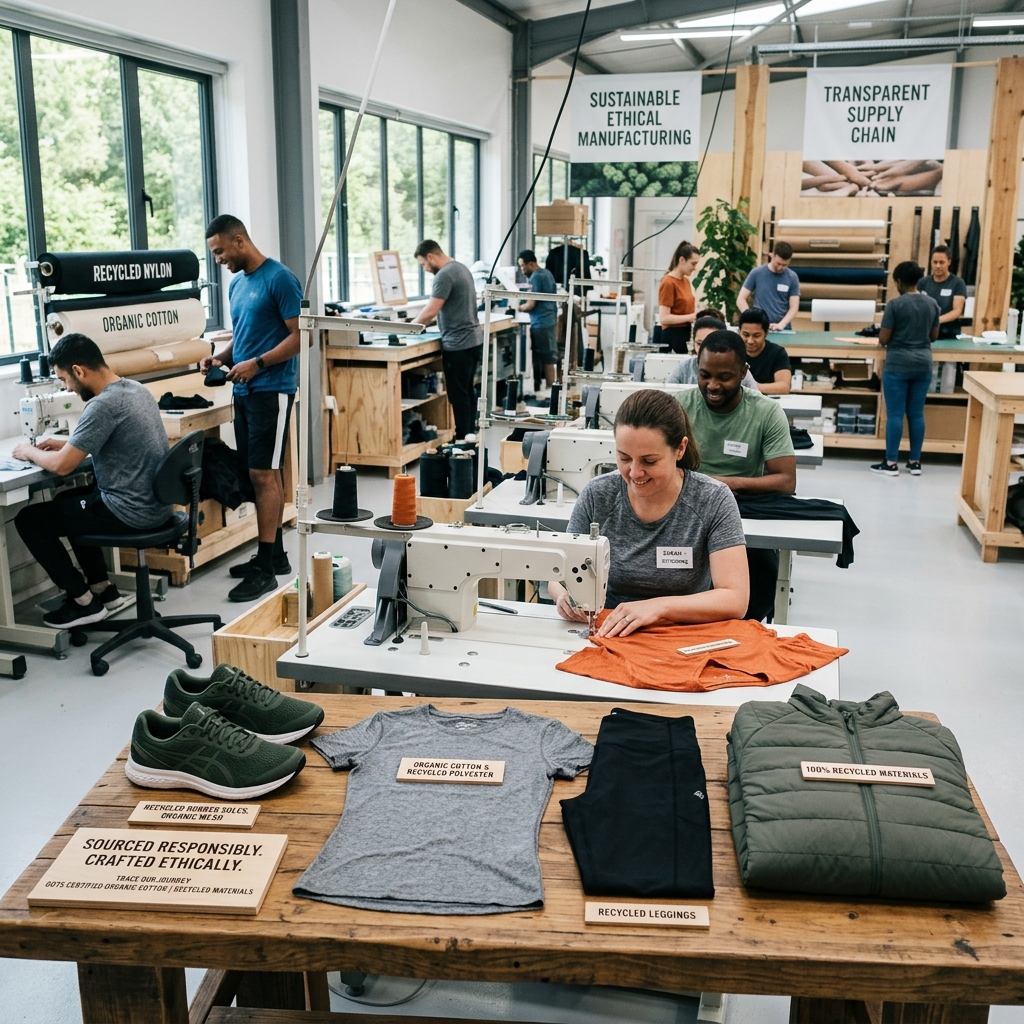
Creating sustainable sportswear involves much more than selecting green fabrics; it demands a profound commitment to the humans making the garments. Ethical manufacturing sits at the very core of genuine sustainable sportswear. For decades, the garment industry has exploited vulnerable workers in developing nations, subjecting them to unsafe conditions, poverty wages, and extreme hours. Sustainable sportswear brands actively dismantle this exploitative model. They partner with factories that guarantee fair living wages, provide safe working environments, and strictly prohibit child or forced labor.
Transparency serves as the ultimate tool for accountability. Leading sustainable sportswear companies publish their entire factory lists, allowing independent auditors to verify their claims. They embrace sustainable fashion certifications like Fair Trade, WRAP (Worldwide Responsible Accredited Production), and SA8000. These rigorous third-party audits ensure that brands do not merely pay lip service to human rights. When you purchase certified sustainable sportswear, you directly support communities, helping workers afford healthcare, education, and secure housing for their families.
Traceability goes hand in hand with transparency. A truly sustainable sportswear brand tracks every component of a garment back to its origin. They know exactly which farm grew their organic cotton and which recycling facility processed their polyester. This granular level of oversight prevents unethical subcontractors from slipping into the supply chain. Brands increasingly use blockchain technology to provide consumers with an unalterable digital ledger of a garment’s journey. You can scan a QR code on your sustainable sportswear tag and see the faces of the people who sewed your leggings.
Localizing production also helps sustainable sportswear brands maintain tight control over their supply chains. By moving factories closer to their primary consumer markets, companies drastically reduce shipping emissions and can visit facilities frequently. This hands-on approach fosters strong relationships between designers and factory workers, leading to better quality control and less material waste. Building ethical supply chains requires massive financial investment and dedication, but it separates authentic sustainable sportswear brands from those simply chasing a trend.
The Rise of Circular Fashion in the Sustainable Sportswear Industry
The traditional fashion model operates on a linear “take, make, dispose” system. Sustainable sportswear champions a radical alternative: circular fashion. This concept envisions a system where clothes never reach a landfill. Instead, brands design sustainable sportswear with the end of its life in mind. Circularity starts at the design phase. Designers create single-fiber garments, making them infinitely easier to recycle than complex blends of polyester, cotton, and spandex. When a garment consists of 100% recycled polyester, textile recyclers can effortlessly melt it down into new yarn.
Take-back programs represent a massive leap forward for sustainable sportswear. Major athletic brands now place collection bins in their retail stores, encouraging customers to return worn-out gear. The companies sort these garments, cleaning and repairing items that still have life left for resale on their designated secondhand platforms. They send garments damaged beyond repair to specialized recycling facilities. This closed-loop system dramatically reduces the need for virgin resources and defines the future of sustainable sportswear.
Another crucial element of circularity involves designing for durability. Sustainable sportswear must withstand grueling workouts, abrasive surfaces, and frequent washing. High-quality stitching, reinforced seams, and durable fabrics ensure that athletes can wear their gear for years, not just months. Brands now offer lifetime warranties and free repair services for their sustainable sportswear, actively discouraging the disposable mindset. When a zipper breaks or a seam tears, you send the item back for mending rather than throwing it away.
Furthermore, the rental and subscription models have entered the sustainable sportswear space, particularly for seasonal or specialized gear. Instead of buying expensive ski apparel or high-end camping gear that sits in a closet for 50 weeks a year, consumers can rent sustainable sportswear for their specific trips. This shared economy maximizes the utility of every garment. By embracing circularity, the sustainable sportswear industry proves that economic growth does not require endless resource extraction and environmental degradation.
How to Spot Greenwashing When Shopping for Sustainable Sportswear
As sustainable sportswear gains popularity, a deceptive marketing practice known as greenwashing has infected the industry. Greenwashing occurs when a company spends more time and money claiming to be eco-friendly than actually implementing sustainable practices. Fast fashion brands often release a small “conscious” collection featuring a fraction of recycled materials, using it to cast a green halo over their massive, highly polluting operations. Identifying genuine sustainable sportswear requires a critical eye and an understanding of marketing tactics.
Look past the earthy packaging, green logos, and vague buzzwords like “natural,” “eco,” or “green.” These terms lack legal definitions and offer no proof of environmental responsibility. Instead, hunt for hard data and recognized certifications. Authentic sustainable sportswear brands eagerly share exact percentages of recycled materials, carbon emission reduction metrics, and specific factory names. If a brand claims to sell sustainable sportswear but hides its supply chain details, you should immediately question their validity.
- Check for recognized third-party certifications like GOTS (Global Organic Textile Standard), Bluesign, or OEKO-TEX Standard 100, which test for harmful chemicals.
- Analyze the entire product catalog; if only 5% of their activewear uses eco-friendly materials while the rest relies on virgin plastics, the brand is likely greenwashing.
- Investigate the brand’s labor practices, as true sustainability must include the ethical treatment of garment workers, not just environmental metrics.
Another red flag involves the price. If a piece of sustainable sportswear costs the same as a fast-fashion alternative, someone in the supply chain paid the price. Ethical wages, innovative eco-fabrics, and low-impact dyes inherently cost more than exploitative, high-polluting methods. While sustainable sportswear requires a higher upfront investment, the superior durability and moral peace of mind justify the cost. Always utilize independent rating apps and directories that evaluate brands based on their environmental impact, labor conditions, and animal welfare policies before making a purchase.
Pro Tips and Common Mistakes to Avoid in Sustainable Sportswear Care

Purchasing sustainable sportswear only solves half the equation; how you care for your garments determines their ultimate environmental impact. The washing and drying phase accounts for a massive portion of a garment’s total carbon footprint. Furthermore, washing synthetic sustainable sportswear releases microplastics into the water system. By optimizing your laundry routine, you extend the life of your gear and protect aquatic ecosystems.
A common mistake athletes make is washing their sustainable sportswear in hot water. Hot water breaks down the elastane and spandex fibers, causing your gear to lose its stretch and shape prematurely. Always wash your sustainable sportswear in cold water. Cold water preserves the fabric integrity, prevents colors from fading, and significantly reduces the energy consumed by your washing machine. Additionally, avoid using harsh conventional detergents. Opt for eco-friendly, biodegradable detergents free from optical brighteners, synthetic fragrances, and heavy chemicals that degrade eco-friendly fabric technology.
Never use fabric softeners on your sustainable sportswear. Fabric softeners leave a waxy coating on the fibers, destroying the moisture-wicking capabilities and trapping foul odors inside the garment. If your gear smells musty, soak it in a mixture of cold water and white vinegar before washing. You should also invest in a microfiber-catching laundry bag. Place your synthetic sustainable sportswear inside the bag before washing; the fine mesh traps microplastics, preventing them from washing down the drain and entering the ocean.
Expert insights suggest avoiding the tumble dryer entirely. The intense heat and tumbling action of dryers weaken fibers, cause shrinkage, and consume vast amounts of electricity. Instead, air-dry your sustainable sportswear. Hang your leggings and sports bras on a drying rack away from direct sunlight, which can fade colors. Because sustainable sportswear utilizes moisture-wicking technology, it naturally dries much faster than standard cotton apparel. By adopting these mindful care practices, you ensure your sustainable sportswear performs optimally for years.
The Future of Sustainable Sportswear and Next-Generation Activewear Trends
The horizon of sustainable sportswear looks incredibly promising as technology and ecology merge. We stand on the brink of an era where activewear actively regenerates the environment rather than just minimizing harm. Next-generation sustainable sportswear will likely feature smart textiles embedded with bio-sensors that monitor your vital signs, woven entirely from compostable threads. Innovators currently experiment with lab-grown materials, such as spider silk cultivated from yeast, which boasts incredible tensile strength and complete biodegradability without requiring animal inputs.
Carbon-negative clothing represents the holy grail of sustainable sportswear. Brands research ways to capture carbon dioxide from the atmosphere and polymerize it into usable textile fibers. Imagine running a marathon in sustainable sportswear that literally pulled greenhouse gases out of the air during its creation. Furthermore, we expect 3D knitting technology to become mainstream. This manufacturing process produces garments seamlessly in one piece, eliminating fabric offcuts and reducing textile waste to absolute zero. It also allows for highly customized fits, tailoring the sustainable sportswear to the exact dimensions of the athlete.
Regenerative agriculture will also transform the natural fibers used in sustainable sportswear. Going beyond organic farming, regenerative practices restore soil biodiversity, draw down atmospheric carbon, and improve water cycles. Brands will increasingly source wool, cotton, and hemp from regenerative farms, ensuring that the creation of sustainable sportswear heals the land. As consumer awareness reaches critical mass, legislation will likely follow, imposing strict environmental regulations and extended producer responsibility laws on the fashion industry.
Ultimately, the future of sustainable sportswear relies on a cultural shift. Athletes and consumers must continue demanding transparency, durability, and ethical practices. The trend is moving permanently away from disposable workout gear toward mindful curation. By supporting the brands pushing these boundaries today, you fund the innovations of tomorrow. The evolution of sustainable sportswear proves that human ingenuity can align peak athletic performance with profound ecological stewardship.
Conclusion
Embracing sustainable sportswear transforms your fitness routine into a powerful act of environmental conservation. By choosing eco-friendly fabrics, supporting ethical manufacturing, and caring for your garments mindfully, you actively reduce pollution and waste. Upgrade your athletic wardrobe with purpose today. Research your favorite brands, demand transparency, and make the switch to high-performance sustainable sportswear that respects our planet.
FAQ
1. What exactly makes sportswear sustainable?
Sportswear becomes sustainable through a combination of eco-friendly materials, ethical manufacturing processes, and environmentally conscious business models. This includes using recycled polyester, organic cotton, or bio-based fabrics, employing low-impact non-toxic dyes, and ensuring fair wages and safe conditions for factory workers. Sustainable brands also focus on durability and end-of-life recycling.
2. Is sustainable sportswear as durable as regular activewear?
Yes, high-quality sustainable sportswear often outlasts traditional fast-fashion activewear. Brands focused on sustainability intentionally design their garments for longevity to prevent them from ending up in landfills. They use reinforced stitching and premium recycled or organic fibers that maintain their shape, compression, and moisture-wicking properties through rigorous workouts and multiple washes.
3. How do I stop my synthetic sustainable sportswear from shedding microplastics?
To minimize microplastic shedding, wash your synthetic sustainable sportswear in cold water on a gentle cycle. Use a specialized microfiber-catching washing bag or install a microplastic filter on your washing machine’s discharge hose. Additionally, washing full loads creates less friction between garments, which reduces the breaking of microfibers.
4. Why does sustainable sportswear cost more than traditional fast fashion?
Sustainable sportswear costs more because ethical production requires significant financial investment. Paying living wages to factory workers, developing innovative eco-friendly fabrics, and acquiring third-party certifications all increase production costs. When you pay a premium, you invest in human rights and environmental protection, rather than subsidizing exploitative labor and cheap, polluting materials.
5. Can recycled polyester be recycled again?
While recycling plastic bottles into sustainable sportswear is highly beneficial, repeatedly recycling polyester eventually degrades the fiber’s quality. Currently, mechanical recycling shortens the fibers each time. However, new chemical recycling technologies are emerging that break polyester down to its molecular level, allowing sustainable sportswear to be recycled infinitely without losing performance quality.
6. What is the most eco-friendly fabric for high-intensity workouts?
For high-intensity workouts that require maximum sweat-wicking and stretch, recycled polyester and recycled nylon are currently the most effective eco-friendly fabrics. They provide the necessary technical performance while utilizing post-consumer waste. For a natural alternative, Merino wool offers excellent temperature regulation and odor control, making it great for outdoor running and hiking.
7. How does circular fashion apply to my workout clothes?
Circular fashion in sustainable sportswear means your workout clothes are designed to be continuously repurposed rather than thrown away. You participate in this by buying durable items, repairing them when damaged, and utilizing brand take-back programs when the gear wears out. The brand then recycles the old garment into new yarn, closing the loop.
8. Are plant-based fabrics always better for the environment?
Not necessarily. While plant-based fabrics like conventional cotton or viscose derive from nature, their traditional manufacturing processes often involve heavy pesticide use, excessive water consumption, and toxic chemicals. Sustainable sportswear uses optimized plant-based fabrics like organic cotton, closed-loop TENCEL, or regenerative hemp to ensure the plant-based claim actually translates to environmental benefits.
9. What are the best certifications to look for when buying eco-friendly activewear?
When shopping for sustainable sportswear, look for trustworthy certifications like the Global Organic Textile Standard (GOTS) for organic fibers, Bluesign for safe chemical management, and Fair Trade Certified for ethical labor practices. The Global Recycled Standard (GRS) verifies the presence and amount of recycled material in the final product.
10. Why should I avoid using fabric softener on my athletic gear?
You must avoid fabric softeners because they coat the fibers of your sustainable sportswear with a waxy residue. This coating destroys the fabric’s ability to wick sweat away from your body and ruins its breathability. Furthermore, the residue traps bacteria and sweat, causing your workout clothes to retain a permanent foul odor over time.