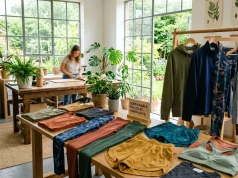
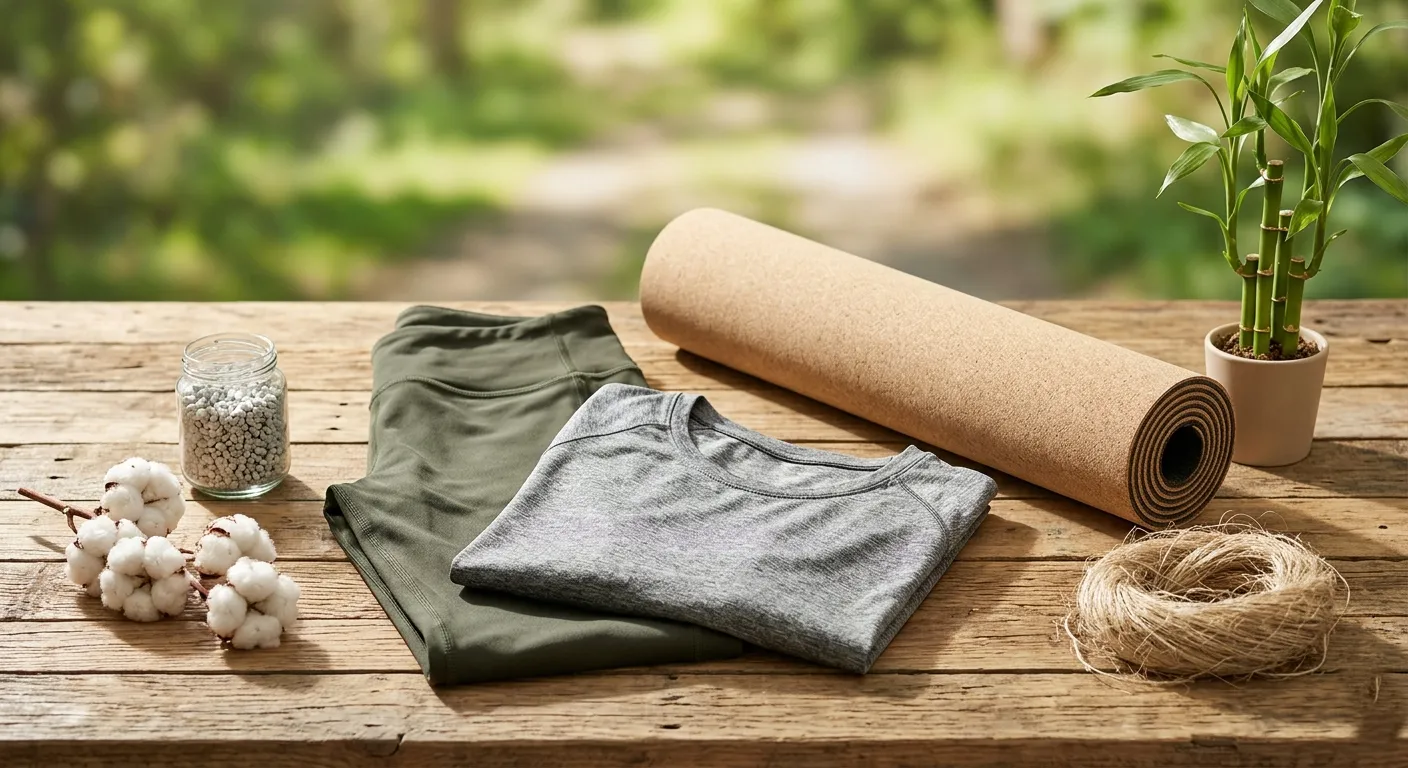
Eco-Friendly Sportswear promises performance without wrecking the planet, but the reality is more nuanced. This guide breaks down sustainable activewear materials, certifications, and trade-offs so you can choose or develop activewear that wicks sweat, lasts longer, and genuinely lowers environmental impact instead of just sounding green.
This article explains what makes sportswear sustainable, why performance fabrics are hard to green, and how each major material compares. You will learn about recycled fibers, natural options, bio-based synthetics, certifications like OEKO-TEX, performance-versus-impact trade-offs, greenwashing red flags, circularity, common mistakes, and expert tips. A comparison table and ten FAQs help you make smarter buying or product decisions.
What Eco-Friendly Sportswear Actually Means
The phrase gets thrown around loosely, so let’s pin it down. Sustainable activewear is not a single material or a marketing badge. It’s the sum of fiber choice, dyeing methods, manufacturing conditions, durability, and what happens to the garment when you’re done with it.
True environmental responsibility looks at the whole life cycle. A pair of leggings made from recycled bottles still has a footprint: energy to recycle the plastic, water for dyeing, emissions from shipping, and microfibers shed in the wash. So “eco-friendly” really means lower impact across the chain, not zero impact.
Context matters too. According to the European Environment Agency, textile consumption in the EU causes the third-highest pressure on water and land use and the fifth-highest on raw materials and greenhouse gas emissions. Each person in the EU consumed roughly 19 kg of clothing and textiles in 2022, up from 17 kg in 2019.
That rising demand is exactly why thoughtful circular sportswear design matters. The takeaway: judge sustainability by evidence and life cycle, not by a single buzzword on a hangtag.
Why Sportswear Is So Hard to Make Sustainable
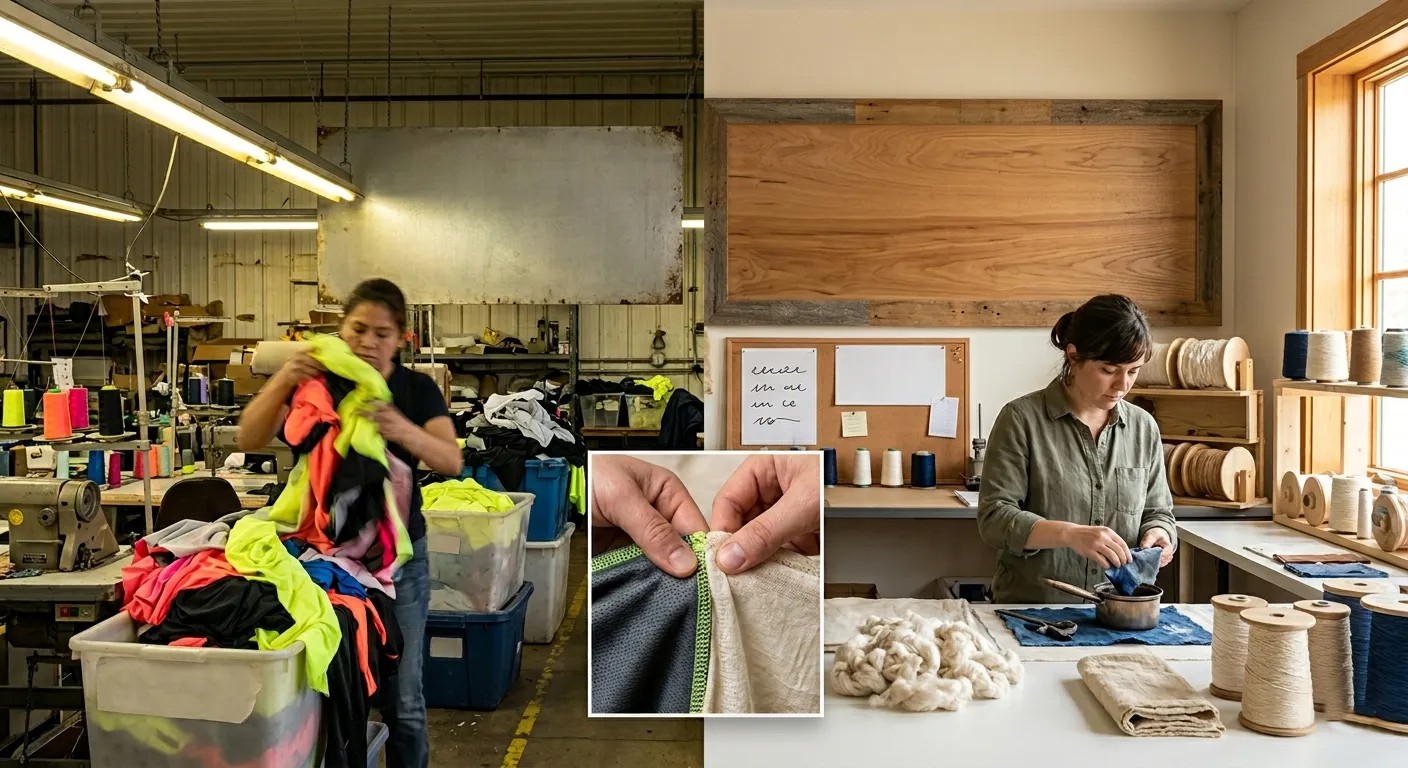
Activewear faces a problem casual clothing doesn’t. It has to stretch, wick sweat, dry fast, resist odor, and survive repeated washing and stretching. Those demands push the industry toward synthetics, which are the least eco-friendly fibers by origin.
Polyester and nylon dominate because they deliver. They’re lightweight, strong, quick-drying, and cheap. But both come from petroleum and fossil fuels. The Textile Exchange Materials Market Report 2025 found polyester now makes up 59% of total global fiber output, and 88% of that is fossil-based. Global fiber production hit 132 million tonnes in 2024 and is projected to reach 169 million tonnes by 2030 if nothing changes.
The stretch problem
Most activewear needs elastane (spandex) for stretch and recovery. Even small amounts of elastane make a garment far harder to recycle, because separating blended fibers is technically difficult and rarely economical. This is the quiet tension behind every “sustainable” legging.
The performance trade-off
Pure natural fibers struggle with the close-to-body fit, moisture control, and durability that serious training requires. So brands blend, and blending complicates end-of-life recovery. The honest conclusion: sportswear sustainability is a balancing act, and the best choices manage trade-offs rather than pretending they don’t exist.
A Detailed Look at Sustainable Activewear Materials
No single fiber wins on every front. Each balances performance, environmental cost, comfort, and price differently. Understanding these differences helps you pick the right material for the right product.
Recycled polyester (PET)
Recycled polyester is the workhorse of sustainable activewear. It performs nearly identically to virgin polyester while diverting plastic from landfills. The catch: 98% of recycled polyester still comes from plastic bottles, not from old textiles, and its global market share actually slipped to 12% in 2024 as virgin production surged. It’s a meaningful improvement over virgin synthetics, but it isn’t a closed loop yet.
Recycled and ocean nylon
Recycled nylon, including ocean-reclaimed nylon made from fishing nets and marine debris, matches virgin nylon’s performance for fit and stretch. It costs more because chemical recycling is expensive and supply streams are limited. Recycled nylon represents a tiny fraction of total nylon use, so demand from brands genuinely drives the market forward.
Organic cotton
Soft, breathable, and biodegradable, organic cotton suits athleisure and casual layers. Choosing organic or regenerative-grown cotton cuts pesticide and fertilizer use. The downside: cotton holds moisture and lacks stretch, so it underperforms for intense training without blending.
Hemp
Often called the gold standard, hemp uses less water than conventional cotton, needs few pesticides, and improves soil health. It’s strong, durable, breathable, and naturally antimicrobial. Its stiffness means it’s usually blended for softness, making it a strong candidate for sustainable fabric blends in lifestyle activewear.
Lyocell (TENCEL), modal, and EcoVero
These manmade cellulosic fibers come from wood pulp processed in closed-loop systems that recapture water and solvents. Lyocell is soft, breathable, moisture-managing, and naturally antimicrobial, ideal for yoga and warm-weather tops. Modal adds smoothness and stretch. Both should carry FSC or PEFC certification to confirm responsible sourcing.
Merino wool
Natural, renewable, and biodegradable, responsibly sourced merino offers excellent thermal regulation, moisture management, and odor resistance for base layers and running gear. It’s pricey and lacks stretch without elastane.
Bamboo and bio-based synthetics
Bamboo grows fast with little water, but most bamboo fabric is made through chemical-heavy processing that undermines its green image. Look for mechanically processed, closed-loop versions with OEKO-TEX or FSC verification. Bio-based synthetics from corn or sugarcane reduce fossil reliance but are not automatically biodegradable, and they remain costly at small scale. The lesson: every option carries an asterisk.
Comparing Sustainable Materials Side by Side

The table below cuts through the noise. Use it as a quick reference when weighing performance against impact for a specific product or purchase. No material is perfect, so match strengths to the intended activity.
|
Material |
Performance |
Sustainability Strength |
Main Limitation |
Best Use Case |
|---|---|---|---|---|
|
Recycled polyester |
Excellent wicking, durable |
Diverts plastic waste |
Mostly bottle-based, sheds microfibers |
Leggings, training tops |
|
Recycled/ocean nylon |
Great stretch and fit |
Reuses marine and industrial waste |
High cost, limited supply |
Swimwear, compression wear |
|
Organic cotton |
Soft, breathable |
Lower chemical use, biodegradable |
Holds moisture, no stretch |
Athleisure, casual layers |
|
Hemp |
Strong, breathable, anti-odor |
Low water, soil-friendly |
Stiff, needs blending |
Lifestyle and outdoor wear |
|
Lyocell (TENCEL) |
Soft, moisture-managing |
Closed-loop processing |
Can shrink and wrinkle |
Yoga, warm-weather tops |
|
Merino wool |
Thermal, anti-odor |
Renewable, biodegradable |
Expensive, low stretch |
Base layers, running |
|
Bamboo (closed-loop) |
Soft, UV-resistant |
Fast-growing crop |
Often chemical-heavy processing |
Sensitive-skin styles |
|
Bio-based synthetics |
Comfortable, durable |
Reduced fossil reliance |
Not biodegradable, costly |
Performance and outdoor apparel |
Read this table as guidance, not gospel. The greenest choice depends on the garment’s job, your price point, and whether the supplier can verify their claims. A high-stretch compression piece and a relaxed yoga tee call for very different answers.
Why Certifications Matter More Than Claims
Anyone can print “eco” on a label. Certifications give those words teeth by tying them to independent testing and verified sourcing. They’re your best defense against marketing fluff.
OEKO-TEX runs several labels worth knowing. STANDARD 100 confirms a textile has been tested for harmful substances from yarn to finished product. MADE IN GREEN goes further, signaling the item was tested for harmful substances and made in environmentally responsible, socially fair facilities. Their ORGANIC COTTON certification verifies cotton from farm to product and checks for GMOs.
Other labels worth recognizing
For cellulosic fibers, FSC and PEFC confirm wood pulp came from responsibly managed forests. The Global Organic Textile Standard (GOTS) covers organic fiber content and processing. Responsible textile certifications like the Global Recycled Standard validate recycled content claims, which matters when so much “recycled” marketing goes unchecked.
Textile Exchange data underscores why verification counts: 34% of global cotton now comes from certified sources, and two-thirds of manmade cellulosic fibers use certified or controlled feedstock. Those numbers rise only because brands report progress and buy from recognized programs.
The bottom line: a credible certification beats a vague green adjective every time. When you can’t verify a claim, treat it as marketing until proven otherwise.
Balancing Performance Against Environmental Impact
The smartest decisions in this space accept tension instead of denying it. A fabric that’s perfectly biodegradable may fail at sweat-wicking. A high-performance recycled blend may resist recycling later. Your job is to weigh what matters most for each product.
Start with the activity. High-intensity training needs moisture control, stretch, and durability, which usually means a recycled synthetic blend with minimal elastane. Low-intensity wear like yoga or lounging can lean on natural or cellulosic fibers with a smaller footprint.
A simple decision framework
Use the “Purpose, Proof, Permanence” check:
- Purpose: Does the material actually perform for the intended activity?
- Proof: Are sustainability claims backed by certifications or transparent data?
- Permanence: Will the garment last, and can it be repaired or recycled?
This framework keeps you honest. It stops you from picking a “green” fabric that quickly pills and gets tossed, which is often worse than a durable synthetic worn for years.
Durability is itself a sustainability strategy. The EEA notes that fast fashion and low collection rates hinder reuse, while a shift to durable, high-quality textiles is exactly what’s needed. A long-lasting garment spreads its production footprint across far more wears. The takeaway: longevity often beats label perfection.
How to Avoid Greenwashing as a Brand or Shopper
Greenwashing thrives on vague language. Terms like “natural,” “eco,” and “conscious” mean nothing without specifics. Learning to spot empty claims protects both your wallet and your credibility.
Watch for selective storytelling. A brand might trumpet one recycled collection while the rest of its line stays conventional. Or it highlights a single fiber while ignoring dyeing, labor conditions, or shipping. Genuine sustainability shows up across the whole operation, supported by low-impact dyeing methods, transparent supply chains, and published impact data.
Questions that expose greenwashing
Ask what percentage of the garment is actually recycled or organic. Ask which certifications apply and to what. Ask whether the brand publishes an impact report or supply-chain details. Vague answers are answers in themselves.
Be skeptical of “biodegradable” claims on synthetics. Bio-based does not mean biodegradable, and most performance fabrics are engineered specifically to resist breakdown. Similarly, recycled polyester made from bottles is good, but it’s not the textile-to-textile recycling many marketing pages imply.
For shoppers, the simplest defense is buying less and buying better. For brands, it’s backing every claim with proof. The mini-conclusion here is blunt: transparency is the real green signal, and silence usually hides something.
Why Durability, Repairability, and End-of-Life Matter
Material choice grabs headlines, but what happens after purchase often matters more. A garment’s environmental story doesn’t end at checkout; it stretches across years of wear and final disposal.
Globally, less than 1% of all textiles are recycled into new products, according to figures cited by the EEA and the Ellen MacArthur Foundation. In the EU, only about a quarter of textile waste gets collected separately for reuse or recycling; the rest ends up in mixed household waste. Those numbers explain why design choices are so consequential.
Designing for a longer life
Recycled performance fibers help on the input side, but durability and repairability decide the output side. Reinforced seams, quality construction, and brands offering repair services or take-back programs all extend useful life. Patagonia’s repair-and-reuse model is a well-known example of treating garments as long-term products rather than disposable items.
End-of-life design also means thinking about recyclability from the start. Mono-material garments, those made from a single fiber type, are far easier to recycle than complex blends. The challenge, of course, is that activewear usually needs blending for performance.
The honest synthesis: the most sustainable garment is often the one you already own and keep wearing. Longevity quietly outperforms almost every fiber upgrade.
Circularity and Smarter Design Choices
Circularity flips the traditional model. Instead of make-use-dispose, it aims to keep materials in use as long as possible through reuse, repair, resale, and recycling. For sportswear, this is both a design challenge and a real opportunity.
The European Union has launched a strategy for sustainable and circular textiles built on the idea that “fast fashion is out of fashion.” Starting in 2025, EU member states must run separate textile collection systems, a structural push toward circular flows.
Practical circular moves
Brands can design for disassembly, reduce material complexity, and build resale or rental into their model. They can also invest in circular sportswear design that anticipates recycling rather than fighting it. Choosing recycled inputs, cutting waste in production, and minimizing virgin plastic all feed the same goal.
Shoppers participate too: buying secondhand, reselling, repairing, and washing in microfiber-catching bags all extend the loop. Even washing less and at lower temperatures reduces microfiber shedding and energy use.
Circularity won’t fix everything overnight, especially while textile-to-textile recycling remains limited. But it reframes the question from “which fabric is greenest” to “how do we keep this garment valuable for as long as possible.” That mindset shift is the real win.
Common Mistakes to Avoid
Even well-intentioned buyers and brands stumble in predictable ways. Knowing these traps in advance saves money, credibility, and genuine environmental impact.
The first mistake is treating “recycled” as a finish line. Recycled polyester is better than virgin, but if it’s mostly from bottles and sheds microfibers, it’s still an improvement, not a solution. Don’t let one good attribute excuse everything else.
A second error is ignoring durability in favor of a trendy fiber. A “sustainable” garment that pills, sags, or fails after a few washes ends up in landfill faster than a durable synthetic. Longevity is a core sustainability metric, not an afterthought.
Many people also trust vague labels without checking certifications. Words like “eco” and “natural” carry no legal weight on their own. Always look for verified standards behind the language.
Other frequent slips include overlooking dyeing and finishing impacts, assuming bamboo is automatically green despite chemical processing, confusing bio-based with biodegradable, and forgetting that elastane blends are nearly impossible to recycle. Each of these quietly undermines good intentions.
The biggest mistake of all is overconsumption. Buying ten “sustainable” pieces you rarely wear is worse than buying two you’ll use for years. Avoid these traps and you instantly make smarter, lower-impact choices than most of the market.
Pro Tips and Expert Insights
Beyond the basics, a few advanced habits separate genuinely responsible choices from surface-level ones. These reflect how thoughtful brands and savvy shoppers actually operate.
Prioritize fiber transparency. The best brands tell you exactly what’s in a garment and where it came from. If a product page lists “recycled materials” without percentages or certifications, treat that vagueness as a signal to dig deeper.
Favor minimal-elastane construction where performance allows. Lower elastane content improves recyclability and often extends garment life. Some brands now use mechanical stretch knits to reduce spandex reliance, a quiet but meaningful innovation.
Think in cost-per-wear, not sticker price. A durable, well-made piece that lasts five years beats a cheap one replaced annually, both financially and environmentally. This single reframing changes most buying decisions.
Care matters more than people realize. Washing less, using cold water, air-drying, and using a microfiber-catching bag all extend garment life and cut shedding. Good care can rival fiber choice in total impact reduction.
For brands, build proof into the product. Publish impact data, pursue responsible textile certifications, and offer repair or take-back options. Transparency and longevity are now competitive advantages, not just ethical extras. The expert consensus: the smartest sustainability strategy is making fewer, better, longer-lasting choices and being able to verify them.
Putting It All Together: What to Prioritize
You now have the full picture, so here’s how to act on it. Whether you’re buying or developing sportswear, the same priorities apply in roughly the same order.
Start with purpose and performance, because a garment that fails its job gets discarded fast. Then verify sustainability claims through credible certifications rather than marketing language. Next, weigh durability and repairability, since longevity multiplies the value of every other choice. Finally, consider end-of-life and circularity, favoring simpler material compositions and brands with take-back or repair programs.
For shoppers, buy less and choose better, then care for what you own. For brands, back every claim with proof, design for longevity, and reduce material complexity wherever performance allows. Done consistently, this approach delivers activewear that performs well and genuinely lowers impact.
Conclusion
Eco-Friendly Sportswear works best when you look past buzzwords to materials, certifications, durability, and circularity. No fabric is flawless, so prioritize verified claims, longevity, and smart care over hype. Start by auditing one garment or product line today, apply these frameworks, and turn good intentions into measurable, lasting environmental impact.
Frequently Asked Questions
1. What makes sportswear eco-friendly?
Eco-friendly sportswear combines lower-impact materials, responsible manufacturing, durability, and thoughtful end-of-life design. It uses recycled or natural fibers, verified certifications, low-impact dyeing, and construction built to last. No garment is impact-free, so genuine sustainability means reducing footprint across the entire life cycle, not just choosing one green-sounding fabric.
2. Is recycled polyester really sustainable?
Recycled polyester is better than virgin polyester because it diverts plastic waste and uses less energy. However, about 98% of it comes from bottles rather than old textiles, and it still sheds microfibers. Its global market share actually fell to 12% in 2024. Treat it as a meaningful improvement, not a complete solution.
3. What is the most sustainable activewear material?
There’s no single winner. Hemp, organic cotton, lyocell, and merino wool have lower-impact origins, while recycled synthetics deliver better performance. The most sustainable choice depends on the activity, durability, and verified sourcing. Often, the greenest option is simply the durable garment you keep wearing for years.
4. Why is activewear hard to make sustainable?
Activewear must stretch, wick sweat, dry quickly, and survive heavy use, which pushes brands toward petroleum-based synthetics like polyester and nylon. Stretch usually requires elastane, which makes garments nearly impossible to recycle. These performance demands create constant trade-offs between function and environmental impact.
5. What certifications should I look for in sustainable sportswear?
Look for OEKO-TEX STANDARD 100 and MADE IN GREEN for safety and responsible production, GOTS for organic content, FSC or PEFC for wood-based fibers, and the Global Recycled Standard for recycled claims. These independent certifications verify what marketing language alone cannot prove.
6. How do I avoid greenwashing when buying activewear?
Check for specific percentages of recycled or organic content, verify certifications, and look for published impact data or supply-chain transparency. Be skeptical of vague terms like “natural” or “eco” and of biodegradable claims on synthetics. If a brand can’t back its claims with proof, treat them as marketing.
7. Is bamboo fabric actually eco-friendly?
Bamboo grows fast with little water, but most bamboo fabric is made through chemical-intensive processing that undermines its green reputation. Only mechanically processed, closed-loop versions verified by OEKO-TEX or FSC qualify as genuinely sustainable. Always check how the bamboo was processed before trusting the eco label.
8. Does durability matter for sustainability?
Yes, durability is one of the most important sustainability factors. A long-lasting garment spreads its production footprint across many more wears, while a fragile “eco” piece that fails quickly ends up in landfill sooner. Repairability and quality construction often matter more than the fiber alone.
9. What happens to old activewear at end of life?
Most ends up in mixed waste. Globally, less than 1% of textiles are recycled into new products, and elastane blends are especially hard to recycle. Choosing durable, simpler-composition garments and using brand take-back or repair programs helps keep clothing out of landfill longer.
10. How can I reduce my activewear’s environmental impact at home?
Buy less and choose durable, verified pieces. Wash in cold water, wash less often, air-dry, and use a microfiber-catching bag to cut shedding. Repair instead of replacing, and resell or donate items you no longer wear. Good care can rival fiber choice in reducing total impact.