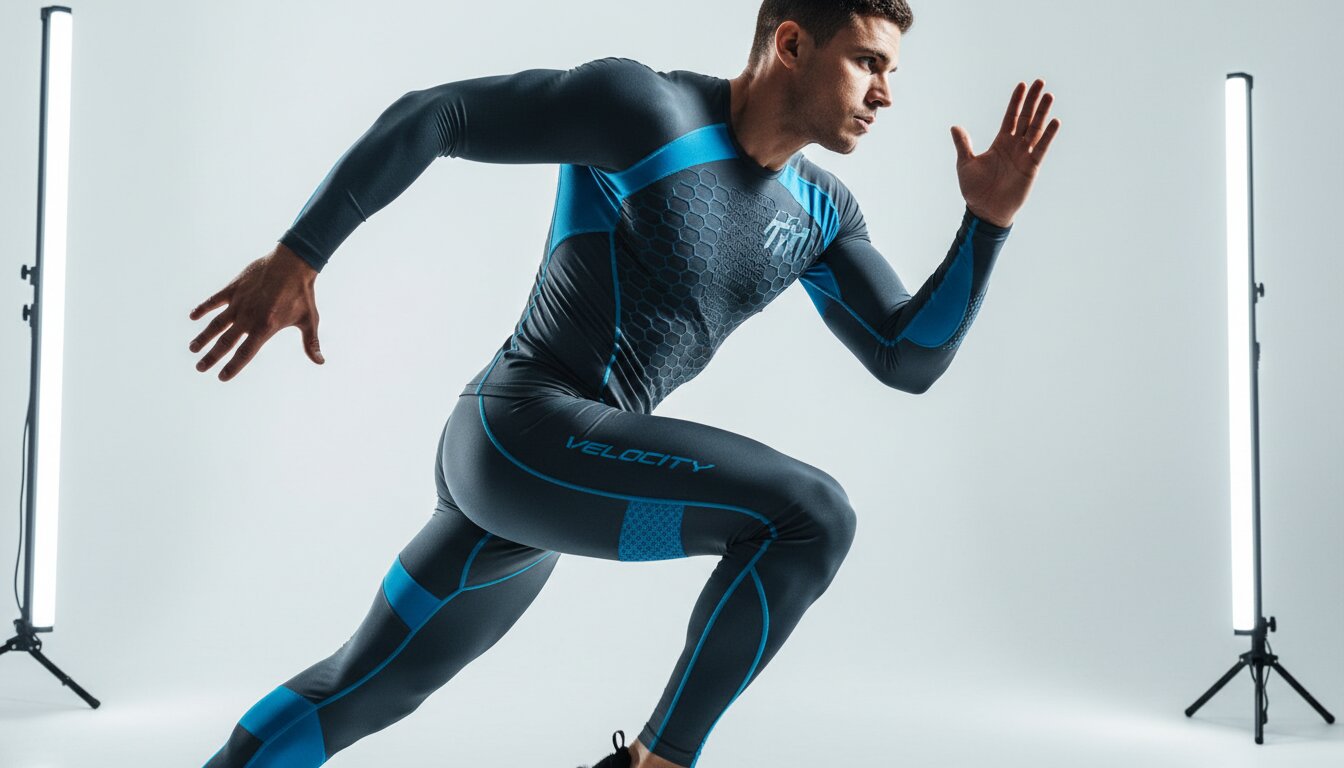
Athletes constantly seek ways to push boundaries and heal faster. Choosing the best compression sportswear provides a proven advantage for your training routine. These specialized garments support muscles, increase circulation, and reduce fatigue, ensuring you get the most out of every workout.
This comprehensive guide explores how targeted athletic apparel transforms your physical capabilities and healing process. We will examine the physiological benefits, from increased venous return to reduced muscle oscillation. You will learn how to select the right garments, understand the science behind graduated pressure, avoid sizing errors, and implement expert strategies to maximize your daily endurance and post-workout healing.
The Physiology Behind the Best Compression Sportswear
Understanding how tight-fitting garments interact with your body helps you make better decisions about your training gear. The best compression sportswear does much more than provide a sleek aesthetic. It fundamentally alters how your circulatory system and muscular system respond to physical stress. When you engage in high-impact activities, your muscles experience micro-trauma and vibration. Specialized apparel applies consistent, mechanical pressure to your limbs, which triggers several highly beneficial physiological responses.
Boosting Venous Return and Blood Circulation
The primary function of the best compression sportswear is to enhance blood flow. Your heart pumps oxygen-rich blood to your extremities during exercise. However, returning that deoxygenated blood back to the heart requires your muscles to act as a pump. Graduated pressure garments are tighter at the extremities, like the ankles or wrists, and gradually decrease in pressure closer to the core. This design acts as a secondary muscle pump, fighting gravity and forcing blood upward. Increased circulation means your working muscles receive oxygen and nutrients faster, which delays the onset of fatigue and keeps you moving longer.
Reducing Muscle Oscillation and Micro-Trauma
Every time your foot strikes the ground during a run or a jump, a shockwave travels up your leg. This impact causes muscle oscillation, or vibration, which contributes to structural damage and fatigue. The best compression sportswear wraps your muscle fibers tightly, holding them securely in place. By minimizing this vibration, the garments reduce the microscopic tears that occur during intense activity. Less tissue damage translates directly to less soreness the following day and a lower risk of soft tissue injuries. You maintain better alignment and preserve energy that would otherwise be wasted trying to stabilize the muscle.
Enhancing Proprioception and Body Awareness
Proprioception refers to your awareness of your body’s position in space. The snug fit of the best compression sportswear stimulates the sensory receptors in your skin. This heightened sensory feedback improves your coordination, balance, and stability. When you are more aware of your limb placement, you naturally adopt better biomechanics. Improved form reduces the likelihood of overcompensating or making awkward movements that lead to sprains. For dynamic sports like trail running or basketball, this increased awareness is a critical component of injury prevention.
Evaluating Different Types of Compression Gear
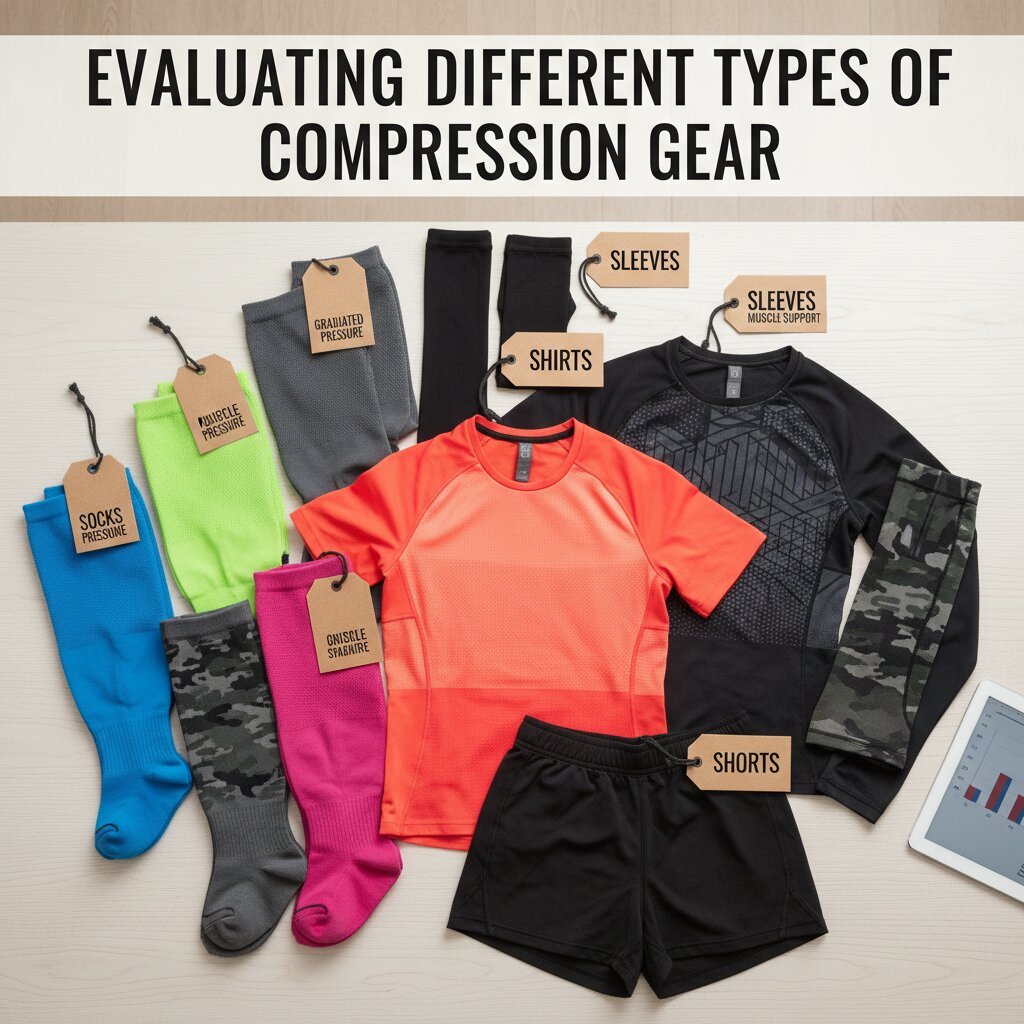
Building a highly effective athletic wardrobe requires understanding the specific purposes of different garments. The best compression sportswear comes in various forms, each tailored to support specific muscle groups and activities.
Compression Tights and Leggings
Full-length tights offer the most comprehensive benefits for lower-body dominant sports. They cover the ankles, calves, knees, quadriceps, and hamstrings. By providing continuous pressure along the entire leg, they are highly effective at promoting venous return and preventing blood pooling. Runners, cyclists, and weightlifters rely on full-length tights to manage fatigue during long sessions and to regulate body temperature. The continuous fabric also acts as a barrier against wind and cold, keeping joints supple and ready for action.
Compression Shorts
For athletes who train in warm climates or prefer more freedom of movement around the knee, shorts are the ideal choice. They focus pressure on the upper legs, including the glutes, hips, thighs, and hamstrings. These are excellent for reducing friction and preventing chafing while providing crucial stabilization to the pelvic region. Many athletes wear them as a base layer underneath looser athletic shorts, integrating running apparel seamlessly for ultimate comfort and support.
Compression Tops and Vests
Upper body garments target the chest, shoulders, back, and arms. Long-sleeve tops provide full-arm support, which is beneficial for rowers, climbers, and baseball players. Vests and short-sleeve options focus on core stability and postural alignment. By gently pulling the shoulders back and supporting the spinal erectors, these tops help you maintain an open chest cavity. This posture encourages deeper, more efficient breathing during cardiovascular exertion.
Socks and Calf Sleeves
Your feet and lower legs take the brunt of gravity and impact. Compression socks support the foot arch, ankle, and calf, significantly reducing the risk of swelling and deep vein thrombosis. They are incredibly popular for travel and post-race healing. Calf sleeves offer similar benefits to the lower leg but allow you to wear your preferred traditional athletic socks. This modular approach is perfect for athletes with specific footwear preferences who still want the circulatory benefits of the best compression sportswear.
Performance vs. Recovery: Which Gear Do You Need?
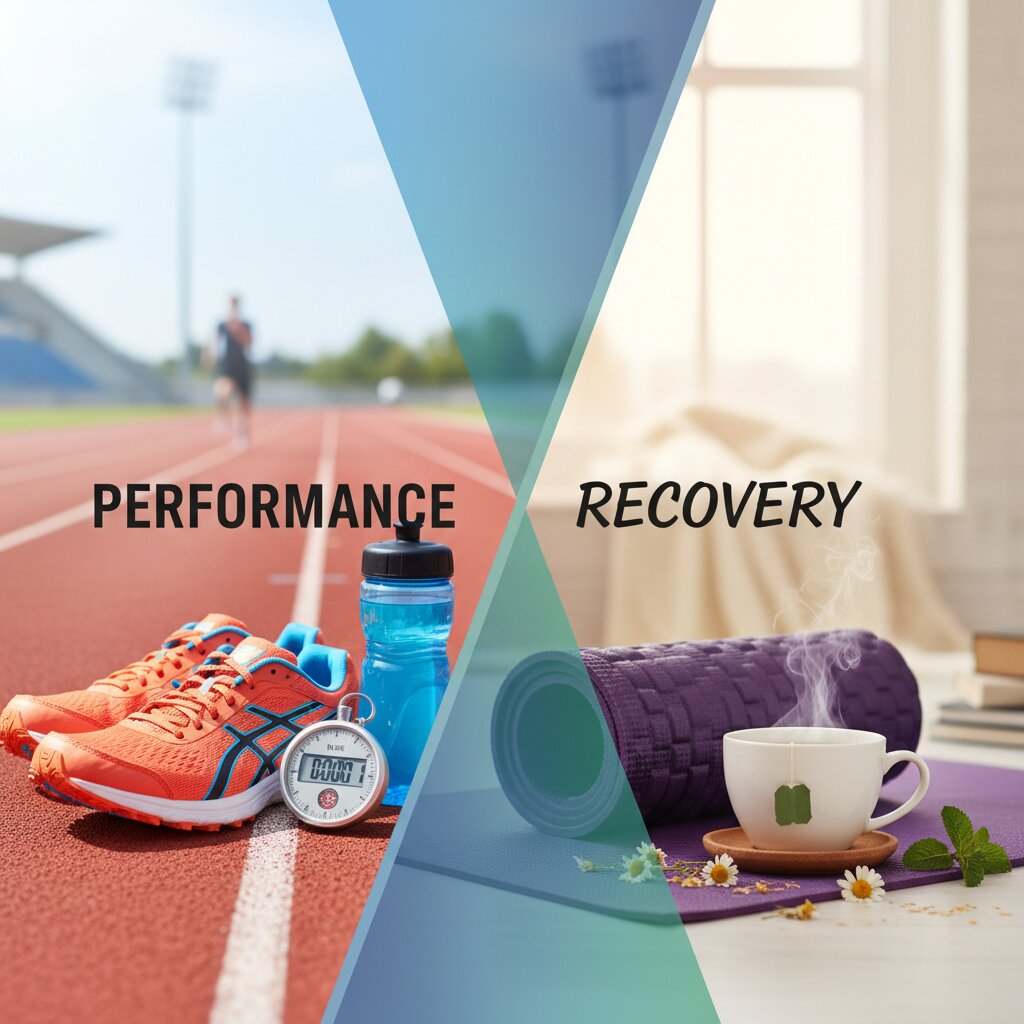
The timing of when you wear your gear dictates the specific type of pressure you need. The best compression sportswear is generally categorized into active wear and recovery wear.
Active Performance Gear
Garments designed for active use prioritize breathability, moisture-wicking properties, and flexible support. The pressure is usually moderate, allowing for a full range of motion without restriction. The goal is to stabilize the muscle, prevent chafing, and keep the skin dry. You wear these during your workout to optimize muscle function and regulate core temperature.
Post-Workout Recovery Gear
Recovery garments feature a higher, firmer level of graduated pressure. You wear these after your training session or during rest days. The intense pressure aggressively flushes out metabolic waste products, like lactic acid, and drastically reduces fluid buildup. To experience the maximum benefits, experts recommend wearing recovery gear for two to four hours immediately following a strenuous workout. Integrating this practice with foam rolling and proper hydration strategies creates a comprehensive healing environment for your tissues.
Comparison Table: Choosing the Right Garment
|
Garment Type |
Primary Benefit |
Ideal Activity |
Key Feature |
|---|---|---|---|
|
Full-Length Tights |
Total lower body circulation |
Distance running, cold weather |
Graduated pressure from ankle to hip |
|
Shorts |
Glute and thigh stabilization |
Sprinting, lifting, warm weather |
Chafing prevention, pelvic support |
|
Long-Sleeve Tops |
Posture and arm circulation |
Rowing, climbing, throwing |
Core stabilization, breathability |
|
Socks |
Foot and calf swelling reduction |
Travel, long shifts, recovery |
Arch support, deep vein thrombosis prevention |
|
Calf Sleeves |
Targeted lower leg support |
Triathlons, modular gear setups |
Allows use of custom athletic socks |
Pro Tips and Expert Insights for Finding the Perfect Fit
Selecting the best compression sportswear requires careful attention to sizing and material composition. Even the most advanced fabric will fail to deliver results if it fits incorrectly.
Use a flexible measuring tape to measure your body accurately. Do not rely on your standard clothing size. Check the manufacturer’s specific sizing chart, focusing on the circumference of your chest, waist, hips, and calves. The garment must feel snug but never painful. You should be able to slide a finger under the hem without intense struggle, and the fabric should lay flat against your skin without bunching or wrinkling.
Pay close attention to fabric blends. The best compression sportswear utilizes a mix of nylon and elastane or spandex. Nylon provides incredible durability and shape retention, while elastane offers the necessary stretch. Look for garments featuring flatlock seams or seamless construction to eliminate skin irritation during repetitive motions. Additionally, prioritize materials with built-in antimicrobial properties to prevent odor buildup over time.
Common Mistakes to Avoid
Many athletes invest in high-quality gear but fail to maximize its potential due to a few common errors.
Do not wear active compression gear for extended recovery periods. Active gear lacks the firm graduated pressure required to effectively flush out toxins while you are at rest. Conversely, wearing heavy recovery tights during a high-intensity workout can restrict your mobility and cause overheating.
Avoid improper washing techniques. Never wash your gear in hot water or use fabric softeners. Heat destroys the elasticity of spandex, and fabric softeners coat the synthetic fibers, ruining their moisture-wicking capabilities. Always wash your garments in cold water with a mild detergent and allow them to air dry flat.
Do not layer too many tight garments. Wearing compression tights under restrictive pants can compound the pressure, leading to circulation cut-offs rather than enhancements. Let the gear function as your primary base layer.
Strategies for Integrating Gear into Your Routine

To extract the absolute highest value from the best compression sportswear, you must use it strategically.
During your warm-up phase, wear your gear to rapidly increase skin and muscle temperature. Warm muscles are pliable and far less prone to tearing. As you transition into your main workout, the apparel will actively manage your sweat and stabilize your form.
When you finish training, promptly remove your sweaty active gear. Shower, and then change into your clean recovery tights or socks. Combine this with active recovery methods like light walking or stretching. This combination rapidly clears metabolic waste and minimizes the stiffness commonly associated with delayed onset muscle soreness.
If you are traveling for a competition, wear your socks on the airplane. The cabin pressure and extended periods of sitting cause blood to pool in your lower extremities. Graduated pressure keeps your legs feeling fresh, ensuring you step off the flight ready to perform at your peak.
Why the Best Compression Sportswear is a Long-Term Investment
Choosing high-quality athletic apparel is an investment in your physical longevity. The best compression sportswear provides cumulative benefits that compound over months and years of training. By consistently reducing the micro-trauma associated with exercise, you minimize the wear and tear on your joints and connective tissues. This proactive approach keeps you off the injured list and maintains your training consistency.
Furthermore, the psychological benefits cannot be ignored. When you wear gear that makes you feel supported, locked-in, and professional, your mindset shifts. You approach your workouts with heightened focus and confidence. This mental edge, combined with the proven physiological advantages of increased blood flow and reduced fatigue, allows you to continuously break through plateaus and reach new levels of physical excellence.
Always evaluate your specific needs, understand the differences between active and recovery applications, and care for your garments properly. By doing so, you ensure that your gear remains an effective, reliable tool in your athletic arsenal for a very long time.
Conclusion
Investing in the best compression sportswear transforms how you train, perform, and heal. By prioritizing garments that increase blood flow, reduce muscle vibration, and flush out metabolic waste, you secure a tangible advantage over fatigue and injury. Evaluate your specific athletic needs, measure accurately, and commit to proper garment care. Take action today, upgrade your athletic wardrobe, and experience the profound benefits of targeted muscle support.
Frequently Asked Questions
1. How tight should the best compression sportswear actually feel?
Your gear should feel snug and highly supportive, wrapping your muscles firmly. It should never cause pain, numbness, or tingling. You should be able to perform a full range of motion, like a deep squat, without the fabric digging painfully into your skin or sliding down your waist.
2. Can I wear my active compression tights for recovery after a workout?
While active tights provide some benefit, they lack the firm, graduated pressure specifically engineered for recovery. Recovery garments are designed to aggressively push blood back toward the heart while you are resting. It is highly recommended to own dedicated recovery gear for post-workout healing.
3. Will wearing tight gear make me overheat during summer workouts?
No, high-quality garments are constructed from advanced synthetic blends that feature exceptional moisture-wicking properties. These fabrics pull sweat away from your skin to the outer layer of the material, where it evaporates rapidly. This evaporative process actually helps cool your core temperature.
4. How do I properly wash and care for my compression garments?
Always wash your gear in cold water using a gentle, athletic-specific detergent. Never use fabric softeners, as they destroy moisture-wicking capabilities. Avoid the dryer entirely; the intense heat will melt the elastane fibers and ruin the garment’s stretch. Lay them flat to air dry.
5. Do compression socks help with shin splints?
Yes, they can be incredibly beneficial. The tight fabric stabilizes the muscles around the shin bone, reducing the repetitive vibration that aggravates the tissue. They also promote blood flow to the area, which speeds up the healing of micro-tears associated with shin splints.
6. Is it safe to sleep in the best compression sportswear?
Sleeping in mild to moderate recovery gear is generally safe and can help reduce morning stiffness. However, you should avoid sleeping in highly restrictive active gear or medical-grade garments unless specifically instructed by a healthcare professional, as your circulatory needs change while lying horizontally.
7. How long does a good pair of compression tights last?
With proper care, a high-quality pair should last between 6 to 12 months of regular use. Over time, the elastane fibers will naturally break down, and the garment will lose its compressive snap. When the gear feels loose or no longer provides firm support, it is time to replace it.
8. What is the difference between graduated pressure and consistent pressure?
Consistent pressure applies the exact same level of tightness across the entire garment, which is great for general stabilization. Graduated pressure is tighter at the extremities (like the ankle) and gradually loosens as it moves up the limb, which acts as a pump to force blood upward against gravity.
9. Can I wear compression shorts under normal athletic shorts?
Yes, this is a very common and highly recommended practice. The tight base layer provides pelvic stabilization, manages sweat, and prevents inner-thigh chafing, while the loose outer shorts provide modesty and extra pockets for convenience.
10. Do I really need to measure myself, or can I just buy my normal size?
You absolutely must measure yourself. Compression sizing is based on exact circumferences of your muscles, not standard clothing dimensions. Failing to consult the manufacturer’s sizing chart with a flexible measuring tape usually results in gear that is either too loose to be effective or too tight to wear safely.