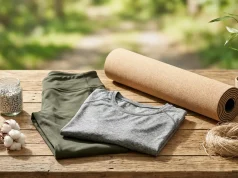
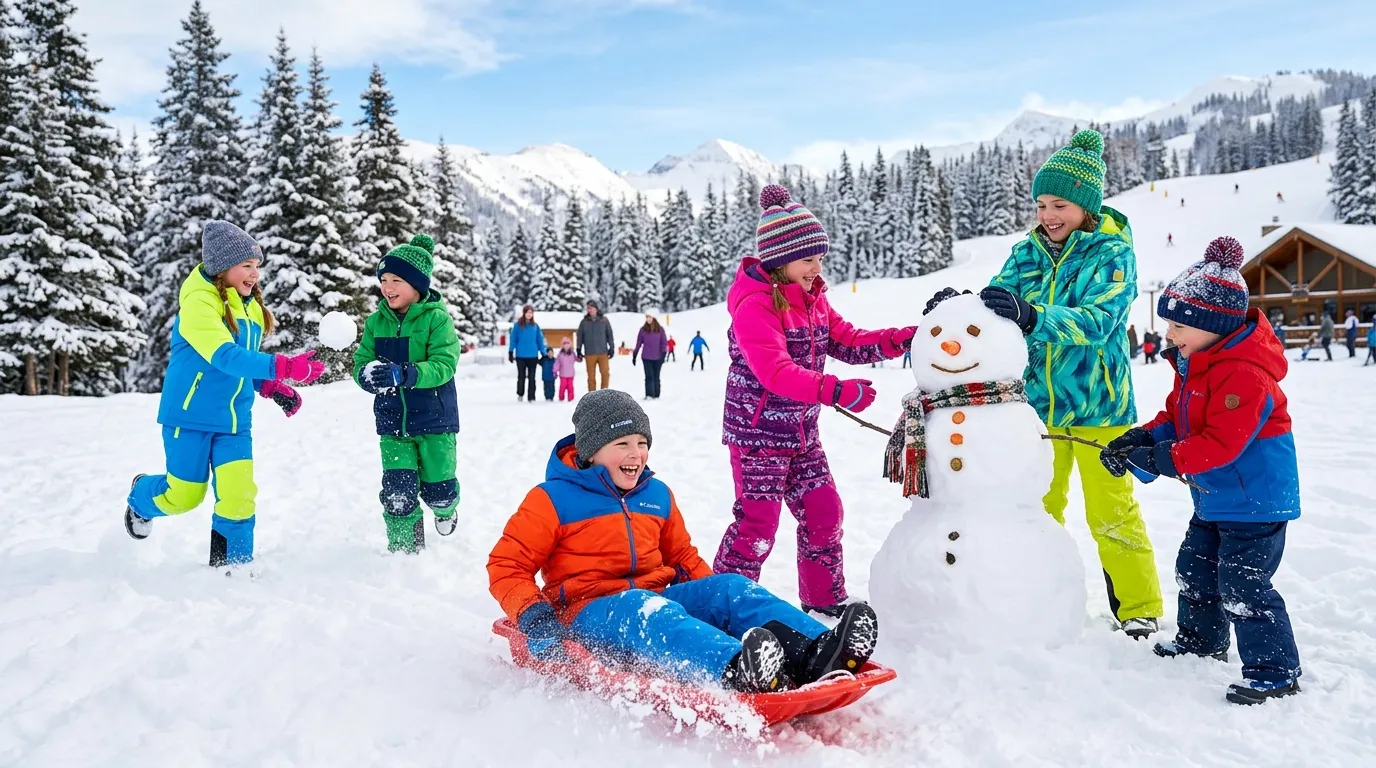
Cold weather should never stop children from exploring outside. Equipping your family with the right Winter Sportswear for Kids ensures they stay safe, comfortable, and active. Discover how proper layering and high-quality outdoor apparel can transform freezing days into unforgettable adventures.
This comprehensive guide explores everything you need to know about choosing effective cold-weather apparel for children. You will learn the science behind the three-layer system, discover the best materials for insulation, and review a detailed comparison of popular fabrics. We also share expert insights and practical tips to help you avoid common dressing mistakes.
Why Quality Winter Sportswear for Kids Matters
When temperatures drop, children lose body heat faster than adults due to their smaller size and different body surface-to-mass ratio. Choosing the correct Winter Sportswear for Kids is not merely about fashion; it is a critical health and safety measure. High-quality outdoor gear prevents dangerous conditions like hypothermia and frostbite while allowing your child the freedom to run, jump, and play in the snow. Proper apparel regulates body temperature, manages sweat, and blocks harsh elements like wind and freezing rain.
If you dress a child in everyday cotton clothes during a snowstorm, they will quickly become damp, cold, and miserable. Cotton absorbs moisture and holds it against the skin, which accelerates heat loss. Conversely, technical activewear uses advanced fabrics that pull moisture away from the body while trapping natural body heat. Understanding the mechanics of these garments allows parents to make informed purchasing decisions, ensuring that children remain cheerful and active during your winter family activities.
Investing in durable outdoor apparel also saves money in the long run. Quality garments withstand the rough-and-tumble nature of childhood play. They resist tears, maintain their waterproofing after multiple washes, and can often be passed down to younger siblings. By prioritizing functional, well-designed winter clothing, you give your children the tools they need to build resilience, develop a love for nature, and enjoy the physical and mental benefits of outdoor exercise throughout the coldest months of the year.
The Science of Layering Winter Sportswear for Kids
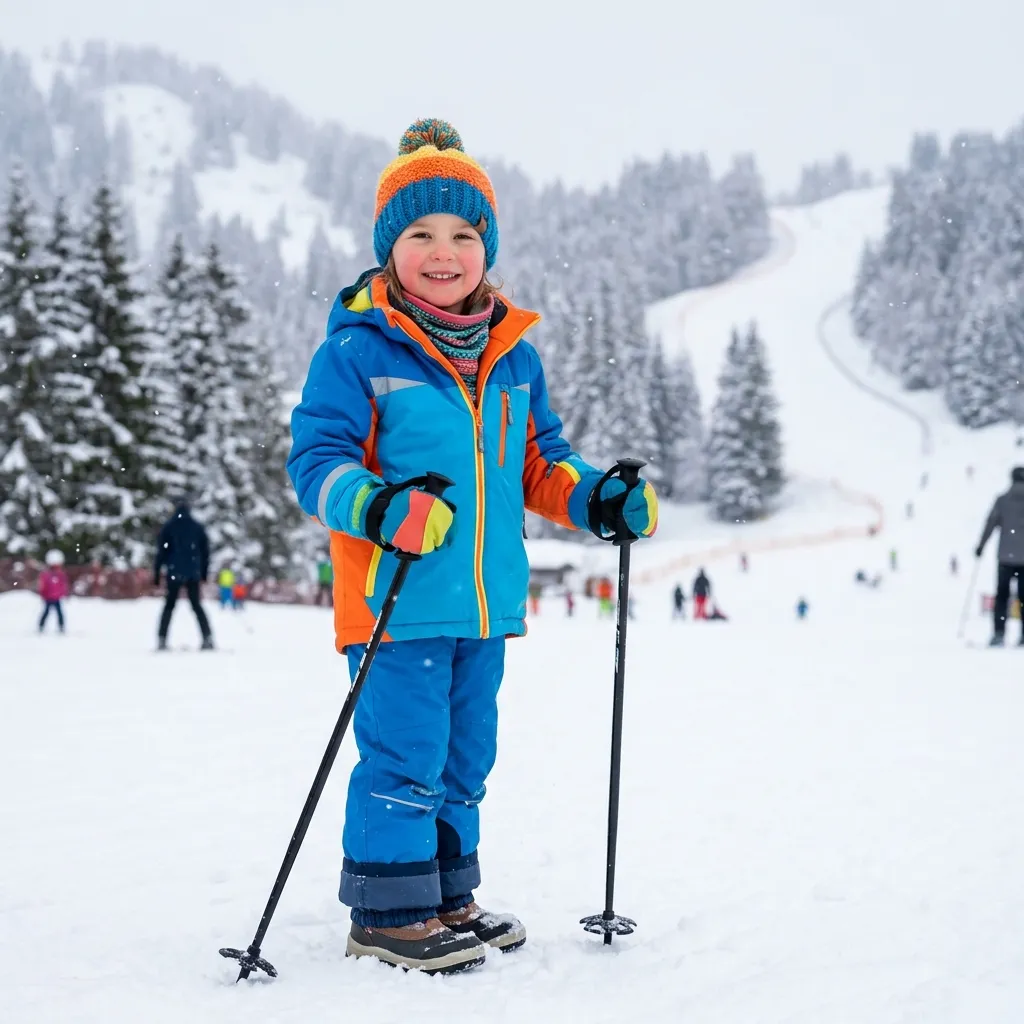
Mastering the art of layering is the most effective way to protect children from freezing temperatures. The three-layer system—consisting of a base layer, a mid layer, and an outer layer—works together to manage moisture, trap heat, and shield against the weather. This highly adaptable method allows you to add or remove clothing as the temperature fluctuates or as your child’s activity level changes.
The Base Layer: Managing Moisture
The base layer sits directly against your child’s skin. Its primary function is not to provide heavy insulation, but rather to manage moisture. When children play hard in the snow, they sweat. If that sweat stays on their skin, it will rapidly cool them down as soon as they stop moving.
You must select base layers made from moisture-wicking materials. Merino wool and synthetic fibers like polyester are the best choices. These fabrics pull sweat away from the skin and push it toward the outer surface of the fabric where it can evaporate. You should always avoid cotton for base layers. Cotton acts like a sponge, absorbing sweat and keeping the cold moisture firmly against your child’s body, which drastically increases the risk of chilling.
The Mid Layer: Trapping Body Heat
Once the base layer moves moisture away from the skin, the mid layer steps in to provide insulation. This layer traps the body heat your child generates, creating a warm microclimate around them. The effectiveness of a mid layer depends on its ability to hold pockets of still air, which act as a natural barrier against the cold.
Fleece jackets and thick wool sweaters make excellent mid layers. Fleece is particularly popular for children because it is lightweight, soft, and highly breathable. It retains its insulating properties even if it gets slightly damp. Depending on the severity of the cold, you can easily adjust the thickness of the mid layer or even use two thin mid layers instead of one bulky sweater. This flexibility is essential for maintaining comfort during rigorous outdoor exercise routines.
The Outer Layer: Weather Protection
The final component of the layering system is the outer layer, commonly known as the shell. This layer protects your child from external elements like wind, rain, and snow. A high-quality outer layer must be both waterproof and breathable. Waterproofing stops moisture from penetrating from the outside, while breathability allows the sweat vapor pushed out by the base and mid layers to escape.
Look for jackets and snow pants that feature taped seams and durable water repellent coatings. Some outer layers come with built-in insulation, combining the mid and outer layers into one garment. While insulated jackets are convenient for extreme cold, uninsulated shells offer more versatility, as you can use them in milder wet weather by simply removing the heavy mid layers underneath.
Essential Gear Checklist for Cold Weather
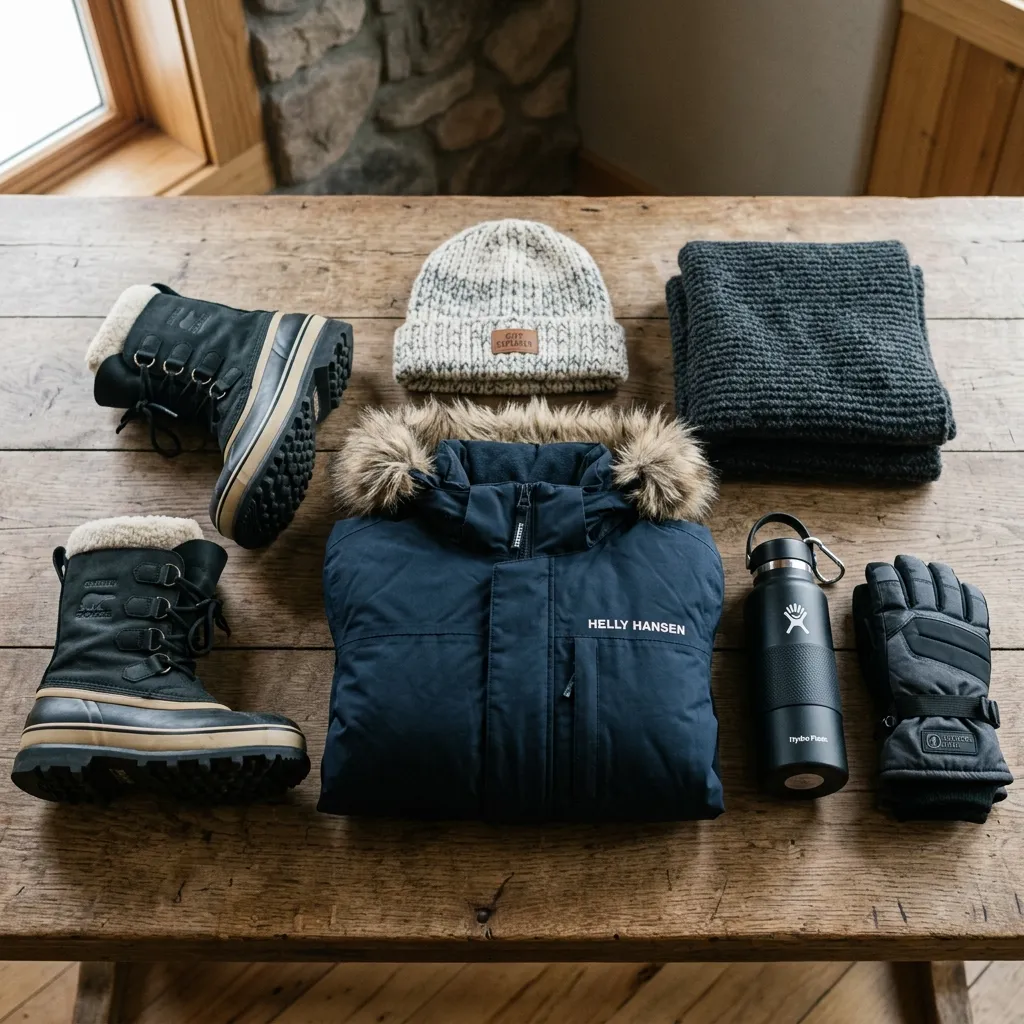
Building a complete winter wardrobe requires specific pieces of gear designed to protect every part of your child’s body. Having a reliable checklist ensures you do not overlook any crucial items before heading out into the snow.
Insulated Jackets and Snowsuits
A robust jacket or a full-body snowsuit is the centerpiece of your child’s winter outfit. For toddlers and preschoolers, one-piece snowsuits are incredibly practical. They prevent snow from sneaking in at the waistline when children roll around or build snow forts. For older, more independent children, a separate jacket and snow pants combination makes bathroom breaks much easier and allows them to wear the jacket separately for casual outings. Ensure the jacket has a sturdy zipper, a storm flap to block wind, and a well-fitted hood.
Waterproof Snow Pants
Snow pants protect your child’s lower half from freezing temperatures and wet conditions. Bib-style snow pants, which feature suspenders that go over the shoulders, are highly recommended for young children. They provide extra warmth around the core and stay up securely during active play. Look for pants with reinforced knees and seat areas, as these sections endure the most wear and tear. Additionally, elastic boot gaiters at the bottom of the pant legs are vital for keeping snow out of their footwear.
High-Performance Winter Boots
Cold toes can instantly ruin an outdoor adventure. High-performance winter boots must offer rigorous insulation and absolute waterproofing. When shopping for boots, pay attention to the temperature rating and the quality of the lining. Removable felt liners are excellent because you can easily take them out to dry overnight. The outer sole should have deep, aggressive treads to prevent slipping on icy surfaces. Always ensure your child has enough room in the boots to wiggle their toes while wearing thick wool socks, as tight footwear restricts blood circulation and leads to freezing feet.
Thermal Accessories
Extremities lose heat rapidly, making thermal accessories just as important as the main jacket. You need high-quality hats, gloves, and neck protection.
- Choose hats that fully cover the ears, preferably lined with fleece to prevent itching.
- Opt for waterproof mittens rather than fingered gloves for younger children; mittens keep fingers together, sharing body heat more effectively.
- Use a snug neck gaiter instead of a traditional scarf. Scarves can easily unravel, become tangled, and pose a strangulation hazard on playground equipment, whereas neck gaiters stay safely in place.
Comparing Top Materials in Winter Apparel
Understanding fabric technology helps you select the most effective gear for your children. Different materials offer distinct advantages depending on the specific weather conditions and the child’s activity level.
|
Material Type |
Best Used For |
Key Advantages |
Primary Disadvantages |
|---|---|---|---|
|
Merino Wool |
Base layers, socks, accessories |
Natural temperature regulation, odor-resistant, retains heat when wet |
Can be expensive, requires gentle washing |
|
Polyester Fleece |
Mid layers, hat linings |
Lightweight, quick-drying, highly breathable, affordable |
Offers minimal wind or water resistance on its own |
|
Gore-Tex (and similar synthetics) |
Outer layers (jackets, snow pants) |
Completely waterproof, highly windproof, breathable |
Higher price point, can feel slightly stiff |
|
Down Insulation |
Extreme cold outer layers |
Unbeatable warmth-to-weight ratio, highly compressible |
Loses insulating power if it gets completely soaked |
|
Synthetic Insulation |
Wet and cold outer layers |
Retains warmth even when wet, easier to clean, hypoallergenic |
Slightly bulkier and heavier than natural down |
Common Mistakes to Avoid
Even with the best gear, simple dressing errors can compromise your child’s warmth and safety. Avoiding these common pitfalls ensures a seamless outdoor experience.
- Relying on Cotton: As mentioned earlier, cotton kills in the winter. Avoid cotton socks, cotton long underwear, and cotton hoodies. Always stick to wool or synthetic moisture-wicking fabrics for base and mid layers.
- Overdressing: Putting too many thick layers on a child causes them to overheat and sweat excessively. Once they stop running, that sweat will chill them. Dress them in breathable layers so they feel slightly cool when they first step outside; they will warm up once they start moving.
- Buying Oversized Boots: While it is tempting to buy boots a size up so they last another year, footwear that is too large prevents proper insulation and causes blisters. Boots must fit snugly but leave enough room for thick socks and toe movement.
- Forgetting Sun Protection: Parents often associate sunburn with summer, but snow reflects up to 80% of UV rays. Skipping sunscreen and sunglasses on a bright winter day can lead to severe sunburns and eye damage. Always integrate children’s sun safety into your winter routine.
- Tucking Pants Inside Boots: Snow pants should always go over the outside of the winter boots. If you tuck the pants inside, melting snow will run directly down the fabric and pool inside the boot, soaking your child’s feet.
Expert Insights on Winter Sportswear for Kids
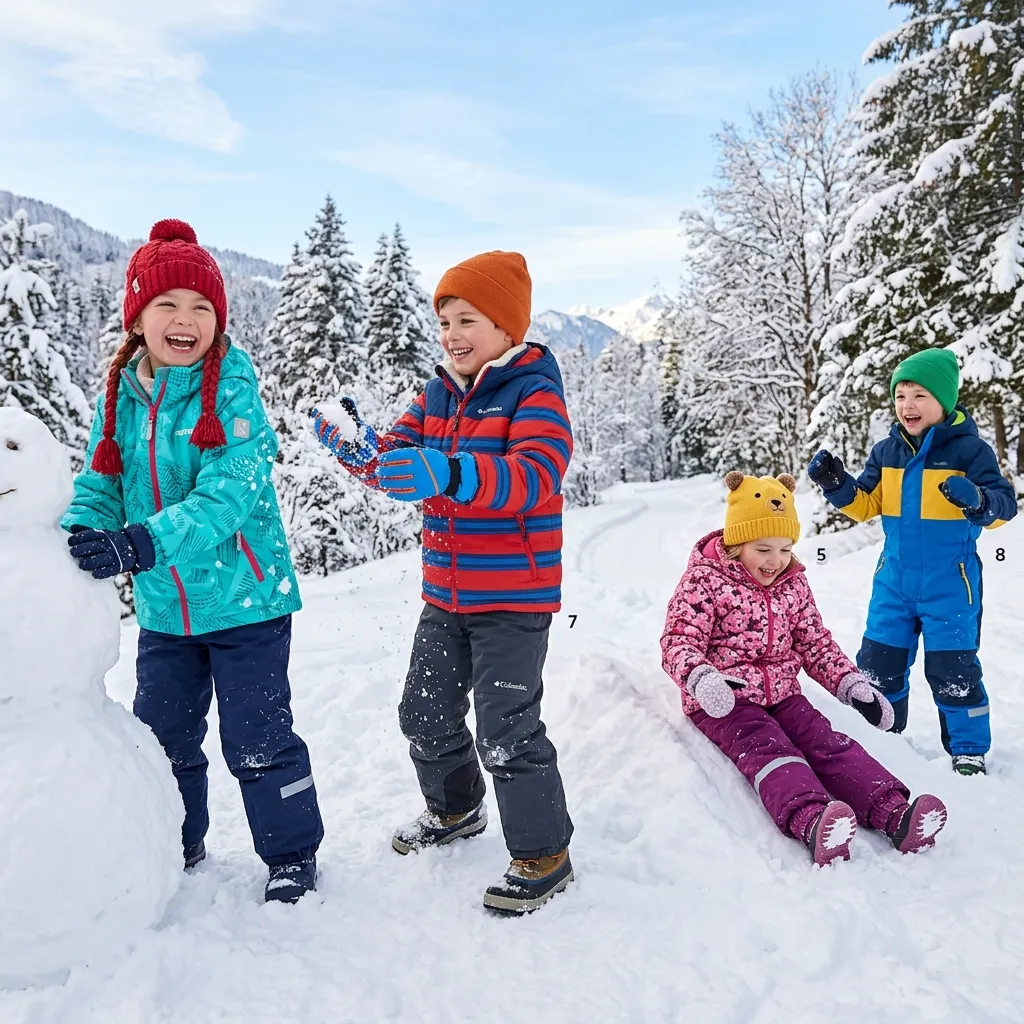
Pediatricians and outdoor education experts strongly advocate for daily outdoor play, regardless of the season. According to guidelines from the American Academy of Pediatrics, children need fresh air and physical activity daily to support healthy physical and emotional development. Experts note that there is no such thing as bad weather, only bad clothing.
Outdoor educators emphasize the psychological benefits of allowing children to experience the elements safely. When children learn to navigate snow and ice wearing appropriate Winter Sportswear for Kids, they build immense self-confidence and spatial awareness. Experts recommend conducting a “mobility check” before sending kids outside. Have your child do a few jumping jacks and touch their toes in full winter gear. If they cannot move freely, their clothing is too bulky, and you need to swap heavy sweaters for thinner, high-efficiency thermal layers.
Furthermore, outdoor survival specialists advise parents to carry an emergency dry bag. No matter how waterproof a snowsuit claims to be, snow can still find its way into mittens or down collars. Keeping a spare pair of dry wool socks and backup mittens in your backpack can save an outing from ending in tears.
Maintaining and Caring for Winter Gear
To guarantee your children’s apparel lasts through the season and beyond, proper maintenance is essential. Technical fabrics require specific care routines to preserve their waterproofing and breathability.
Always read the manufacturer’s care label before washing winter gear. Most waterproof shells should be washed in cold water using a specialized technical detergent. Standard laundry detergents often contain optical brighteners and fabric softeners that leave residues on the fabric, clogging the microscopic pores that make the garment breathable. Never use liquid fabric softeners on winter gear.
Drying techniques are equally important. While you should air-dry merino wool base layers to prevent shrinking, many waterproof outer layers actually benefit from a brief spin in the dryer on low heat. The gentle heat helps reactivate the durable water repellent coating on the outside of the jacket. If water stops beading up and rolling off your child’s jacket, you can restore its performance by applying a wash-in or spray-on waterproofing treatment available at most outdoor retailers. By maintaining your gear properly, you ensure it remains reliable for future family nature excursions.
Budget-Friendly Strategies for Buying Winter Clothes
Outfitting growing children in high-quality winter gear can quickly become expensive. However, with a few strategic purchasing habits, you can acquire excellent apparel without straining your family budget.
First, take advantage of end-of-season sales. Retailers heavily discount their winter inventory in late February and March. If you can accurately estimate your child’s growth, buying next year’s coat and snow pants during these clearance events saves a significant amount of money.
Second, embrace the secondhand market. Because children grow so quickly, they often outgrow high-end snowsuits before they wear them out. Check local consignment shops, online marketplaces, and community parenting groups for gently used gear from reputable outdoor brands. High-quality items from specialized outdoor companies often have years of life left in them, even after one child has used them for a season.
Finally, prioritize spending on the pieces that matter most. If your budget is tight, invest heavily in superior waterproof boots and high-quality mittens. You can easily improvise mid layers using regular fleece sweaters you already own, but you cannot fake the performance of a truly waterproof boot or glove. Keeping the hands and feet dry is the ultimate priority for winter comfort.
How Winter Apparel Boosts Outdoor Play
Providing your child with the right winter clothing does more than just keep them physically safe; it completely transforms their attitude toward the outdoors. When a child feels warm, dry, and comfortable, they do not view the snow as an obstacle. Instead, they see it as a vast, exciting playground.
Proper gear enables sustained imaginative play. A child in a high-quality snowsuit can spend hours building intricate snow castles, digging tunnels, or pretending to be an arctic explorer. This extended playtime provides crucial cardiovascular exercise during a season when many families fall into sedentary indoor habits. It also fosters creativity, reduces stress, and improves nighttime sleep quality.
Moreover, having reliable gear encourages whole-family participation. When parents know their children are perfectly protected from the cold, the stress of winter outings evaporates. You can confidently plan weekend hiking trips, skiing lessons, or simple walks through the neighborhood. Investing in excellent Winter Sportswear for Kids is an investment in your family’s health, happiness, and shared memories.
Conclusion
Choosing the right Winter Sportswear for Kids empowers your children to embrace freezing temperatures safely. By mastering the layering system and avoiding common dressing mistakes, you ensure endless outdoor fun. Ready to upgrade your family’s cold-weather wardrobe? Start planning your next snowy adventure today and enjoy the fresh air!
FAQs
1. How many layers should my child wear in the snow?
A standard rule is to use three layers: a moisture-wicking base layer against the skin, an insulating mid layer like fleece, and a waterproof, windproof outer shell. Adjust the thickness of the mid layer based on the exact temperature and your child’s activity level.
2. Is cotton a good base layer for winter?
No, cotton is highly discouraged for winter activities. Cotton absorbs sweat and holds the moisture against the skin. In cold weather, this wet fabric will rapidly drop your child’s body temperature, leading to discomfort and an increased risk of hypothermia.
3. What is the difference between water-resistant and waterproof?
Water-resistant gear can handle light drizzles and dry snow for a short period, but moisture will eventually soak through. Waterproof gear features special membranes and taped seams that completely block water, making it necessary for heavy, wet snow and prolonged outdoor play.
4. How can I tell if my child is too cold?
Watch for physical signs like shivering, pale or bluish skin (especially on the face, fingers, and ears), and cold hands or feet. Behavioral changes, such as sudden lethargy, clumsiness, or unusual complaining, also indicate that your child needs to go inside and warm up immediately.
5. Should I buy winter boots a size larger for my child?
You should buy boots that leave enough room for thick thermal socks and allow your child to wiggle their toes, which helps circulation. However, buying boots that are significantly oversized will cause the foot to slide around, leading to blisters and poor insulation.
6. Are mittens or gloves better for kids?
Mittens are generally better for young children. They keep the fingers together, which allows them to share body heat and stay much warmer than they would in individual glove fingers. Mittens are also much easier for toddlers to put on and take off.
7. Do babies need different winter gear than toddlers?
Yes, infants who are not walking generate very little of their own body heat. They require heavier insulation, such as fleece-lined down buntings, and thick blankets if riding in a stroller. They do not need complex layering systems meant for sweating, highly active children.
8. How do I wash a waterproof snowsuit?
Always check the care label first. Generally, you should wash waterproof gear in cold water using a mild or technical detergent. Avoid bleach and liquid fabric softeners, as these destroy the waterproof coating. You can usually tumble dry on low heat to reactivate the water-repellent finish.
9. Why does my child need sunglasses in the winter?
Snow is highly reflective and can bounce up to 80% of the sun’s UV rays back into your child’s eyes. Prolonged exposure without UV-blocking sunglasses or goggles can cause a painful condition known as snow blindness.
10. Can my child wear their winter coat in a car seat?
No, it is highly dangerous for children to wear thick, puffy winter coats inside a car seat. In a crash, the puffy material compresses, leaving the harness dangerously loose. Instead, strap your child in wearing their base and mid layers, and place their winter coat over them backward like a blanket.