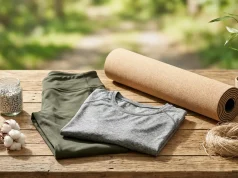
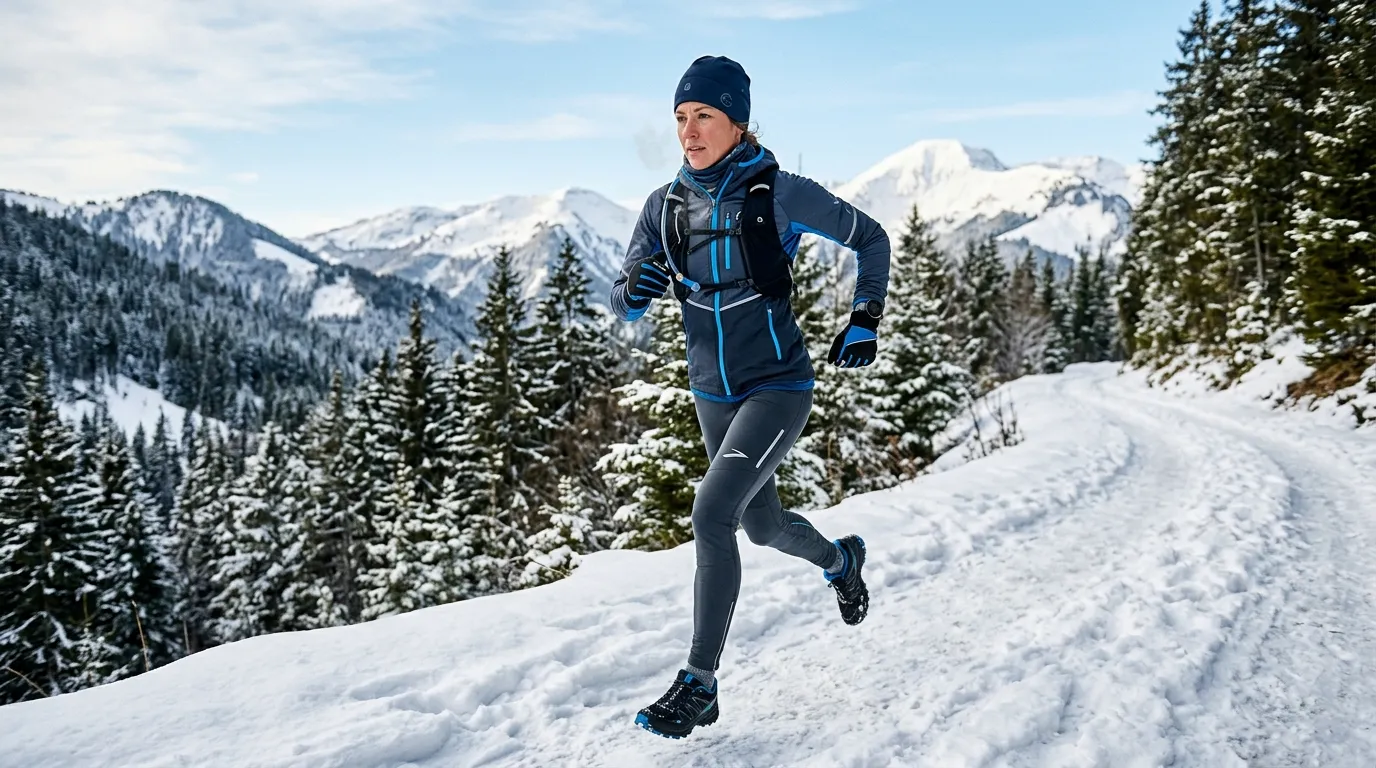
Does the drop in temperature make you want to skip your outdoor workout? Freezing winds and snowy paths do not have to disrupt your fitness routine. Finding the Best Sportswear for Cold Weather transforms freezing morning runs and chilly evening rides into exhilarating experiences. You just need the right approach to dressing for the elements.
This comprehensive guide breaks down everything you need to know about choosing the Best Sportswear for Cold Weather. We explore the science of layering, the top performance fabrics, and the essential accessories that protect your extremities. You will discover practical tips to prevent overheating, avoid common winter gear mistakes, and optimize your wardrobe so you can conquer your fitness goals all season long.
The Science of Layering Your Best Sportswear for Cold Weather
Understanding how to layer your clothing is the foundation of any successful winter workout. You cannot simply throw on a heavy winter coat and expect to feel comfortable during a high-intensity activity. As your heart rate increases, your body generates significant heat. If you wear the wrong fabrics, sweat gets trapped against your skin, which quickly turns cold the moment you slow down or encounter a strong breeze.
A strategic layering system regulates your core temperature while managing moisture. This system typically consists of three distinct parts: the base layer, the mid layer, and the outer shell. Each layer serves a specific purpose, working together to create the ultimate defense against the cold.
Step 1: Start with Moisture-Wicking Base Layers
Your base layer sits directly against your skin. Its primary job is not necessarily to keep you warm, but to keep you dry. When you sweat in the cold, moisture pulls heat away from your body at an alarming rate. Therefore, high-quality moisture-wicking base layers are absolutely essential for any winter athlete.
Avoid cotton at all costs. Cotton acts like a sponge, absorbing sweat and holding it tightly against your skin. Instead, look for synthetic blends like polyester and nylon, or natural fibers like merino wool. Merino wool is exceptional because it naturally regulates temperature, resists odors, and continues to insulate even when it gets wet. A snug fit ensures the fabric can efficiently pull moisture away from your skin and pass it to the next layer.
Step 2: Trap Heat with Insulating Mid Layers
Once you manage the moisture, you need to retain the body heat you generate. This is where your mid layer comes into play. The mid layer acts as your primary insulation. It traps the warm air radiating from your body and prevents the cold air from penetrating.
Fleece and lightweight thermal tops make excellent mid layers. They offer a high warmth-to-weight ratio, meaning they keep you comfortable without adding unnecessary bulk. For exceptionally frigid days, you might opt for a thicker quarter-zip pullover. The zipper allows you to manually vent heat if you start to feel too warm. Finding the perfect balance here is crucial for building the Best Sportswear for Cold Weather wardrobe.
Step 3: Block the Elements with Weather-Resistant Outer Layers
The final piece of your upper-body puzzle is the outer shell. This layer protects you from wind, rain, snow, and sleet. When choosing an outer layer, prioritize breathability alongside weather resistance. If your jacket blocks the wind but traps all your sweat inside, you will end up damp and shivering.
Wind-resistant jackets treated with a Durable Water Repellent (DWR) finish offer the best of both worlds. They allow internal moisture vapor to escape while preventing external moisture from soaking through. For intense aerobic activities like running or cycling, look for jackets with strategic ventilation panels under the arms or across the back.
Lower Body Protection: Pants and Tights
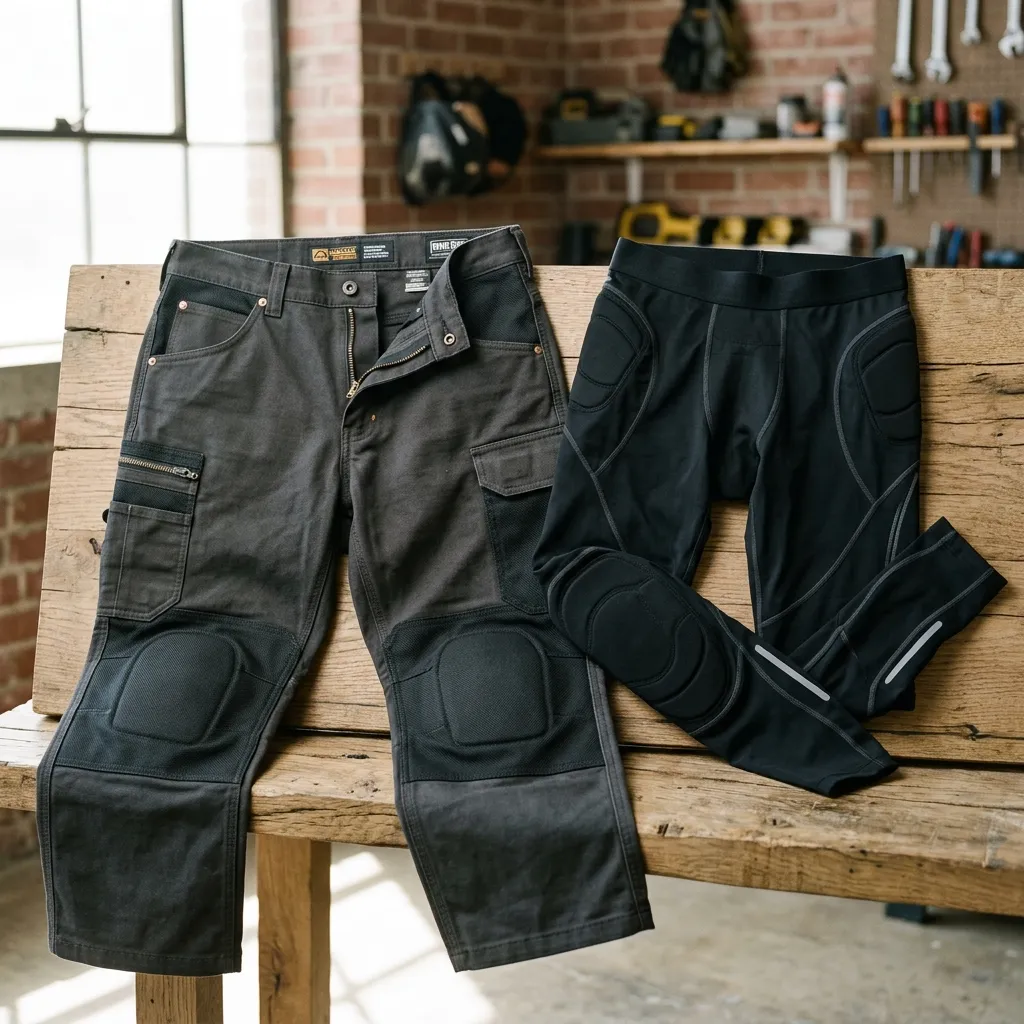
While your core requires a complex three-layer system, your legs often generate enough heat to get by with fewer layers. However, you still need targeted protection against biting winds and freezing temperatures.
Embracing Thermal Leggings and Joggers
For most winter days, a solid pair of thermal leggings provides all the protection you need. These garments feature a brushed fleece interior that feels soft against the skin and traps a thin layer of warm air. The exterior is typically constructed from a densely knit synthetic blend that cuts the wind and resists light precipitation.
If you prefer a looser fit, technical joggers offer a great alternative. Modern athletic joggers use articulated knee stitching and tapered ankles to prevent the fabric from flapping in the wind or getting caught in bicycle chains. When the temperature drops below freezing, you can layer a pair of windproof running pants over a lightweight moisture-wicking tight for maximum warmth.
Protecting Your Extremities: The Ultimate Winter Accessories
Your body naturally prioritizes keeping your vital organs warm. When you step into the cold, blood flow constricts in your hands, feet, and ears. This physiological response means your extremities are the first to suffer if you do not protect them properly. No collection of the Best Sportswear for Cold Weather is complete without dedicated accessories.
Headwear for Heat Retention
You lose a significant amount of heat through your exposed head and neck. A moisture-wicking beanie is a staple for cold weather workout clothes. Look for skullcaps made from a spandex-wool blend. They fit securely under a cycling helmet and stay in place during rigorous runs.
If you overheat easily, a thermal headband offers a fantastic alternative. It protects your ears from the stinging wind while allowing excess heat to escape from the crown of your head. Neck gaiters and balaclavas add another dimension of protection, shielding your face and throat from icy gusts.
High-Performance Winter Gloves
Numb fingers can ruin an otherwise perfect workout. Standard knit gloves let the wind slice right through, offering little functional warmth during an outdoor workout. Invest in specialized athletic gloves that feature a windproof overlay on the back of the hand and a breathable palm.
For extreme conditions, consider the “lobster claw” mitten design or layering a waterproof shell over a thin liner glove. Many modern athletic gloves also include touchscreen-compatible fingertips, allowing you to control your smartwatch or phone without exposing your skin to the elements.
Insulated Footwear and Socks
Your feet endure a massive amount of impact and exposure during winter sports. Summer running socks will leave your toes numb within minutes. Swap your thin cotton socks for merino wool running socks. They provide vital insulation, wick away sweat, and maintain their warmth even if you accidentally step in an icy puddle.
Pair these socks with appropriate footwear. Many running shoe brands release “winterized” versions of their popular models. These shoes often feature a Gore-Tex upper to keep water out and a specialized rubber outsole designed to grip wet pavement and packed snow. Check out our winter running shoe guide for a detailed breakdown of the best models on the market.
Fabric Comparison Table: What to Wear and What to Avoid
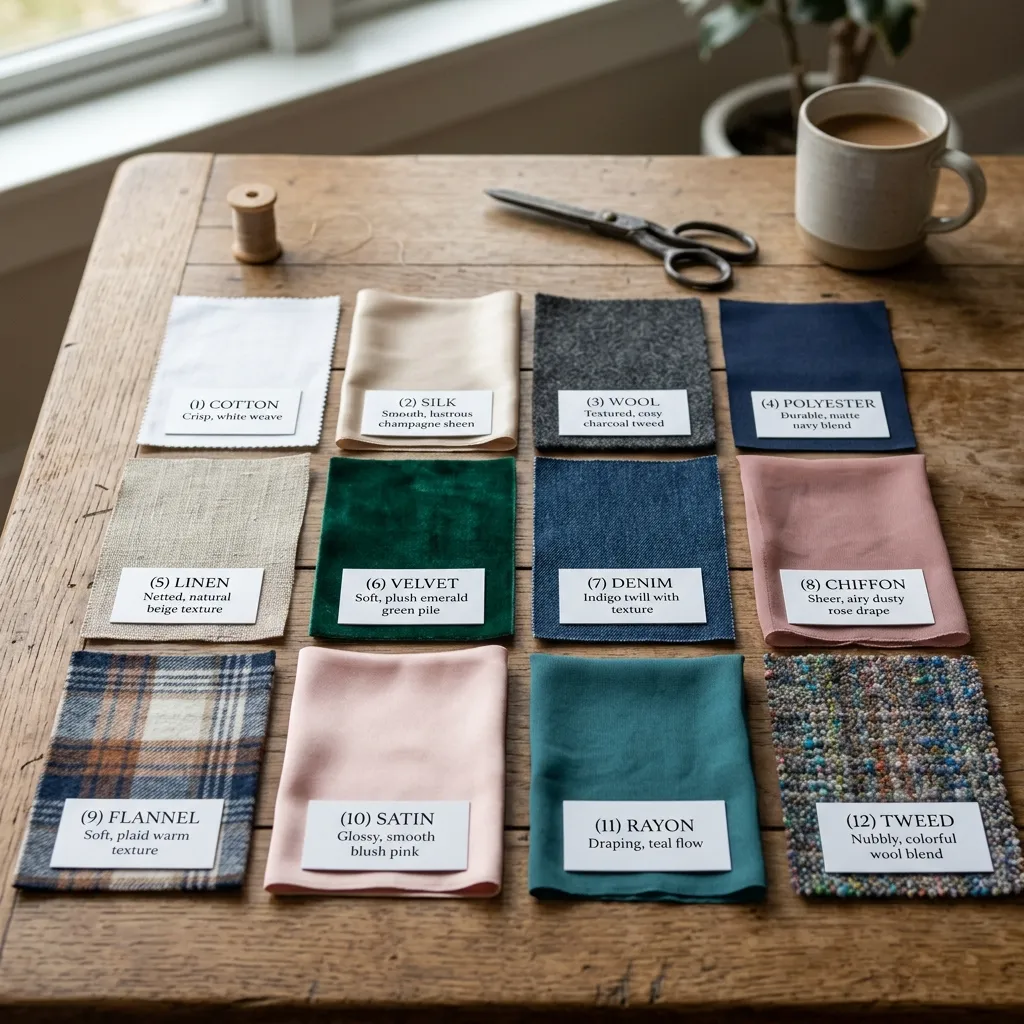
Selecting the correct fabrics dictates the success of your winter training. Use this structured comparison table to make informed decisions about your gear.
|
Fabric Type |
Primary Benefit |
Best Use Case |
Drawbacks |
|---|---|---|---|
|
Merino Wool |
Temperature regulation, odor resistance |
Base layers, socks, hats |
Can be expensive, requires gentle washing |
|
Polyester |
Fast drying, highly durable, lightweight |
Base layers, mid layers |
Can retain odors if not treated |
|
Fleece |
High warmth-to-weight ratio, soft texture |
Mid layers, inside tights |
Bulky, minimal wind resistance on its own |
|
Gore-Tex |
Waterproof and windproof |
Outer shell jackets, winter shoes |
Less breathable than non-waterproof fabrics |
|
Cotton |
Softness for casual wear |
Lounging indoors |
Absorbs sweat, causes rapid heat loss |
Common Mistakes to Avoid During Winter Workouts
Even seasoned athletes make errors when transitioning to winter training. Avoid these common pitfalls to ensure your Best Sportswear for Cold Weather sessions remain safe and productive.
- Overdressing for the First Mile: This is the most frequent mistake runners and cyclists make. You should feel slightly chilly when you first step out the door. If you feel perfectly warm before you start moving, you are wearing too much clothing and will quickly overheat.
- Forgetting to Hydrate: You may not feel as thirsty when the air is freezing, but your body still loses substantial fluids through sweat and respiration. Cold air is dry, and your lungs work hard to humidify it. Drink water before, during, and after your workout. Review our Weather hydration tips for more strategies.
- Ignoring Wind Chill: The thermometer might say 35 degrees, but a strong wind can make it feel like 20 degrees. Always check the “feels like” temperature and dress accordingly. Wind cuts right through standard fabrics, rapidly dropping your core temperature.
- Wearing Cotton Socks: Cotton socks lead to cold, blistered feet. Always prioritize synthetic blends or wool for your footwear.
- Neglecting Post-Workout Care: The moment you stop exercising, your body temperature plummets. Do not stand around outside in damp clothing. Get indoors, remove your sweaty layers immediately, and take a warm shower.
Expert Insights and Pro Tips for Freezing Temperatures

Elevate your winter fitness routine by implementing these advanced strategies from endurance coaches and seasoned winter athletes.
Dress Ten Degrees Warmer
A golden rule among winter runners is to dress as if it is ten to fifteen degrees warmer than the actual temperature. This accounts for the significant body heat you will generate once you get moving. Trust the process and embrace the initial chill of the first few minutes.
Use the Zipper Strategy
Always opt for mid and outer layers with zippers. A quarter-zip or full-zip jacket gives you an adjustable thermostat. Unzip halfway when you tackle a strenuous hill climb to dump excess heat, and zip it back up tightly when you run downhill to block the freezing breeze.
Master the Warm-Up
Never start a Weather workout with cold muscles. Cold muscles are rigid and highly susceptible to injury. Perform a dynamic warm-up indoors before you face the elements. Do lunges, squats, high knees, and arm circles inside your living room or garage. Breaking a light sweat indoors ensures your joints are lubricated and ready for the cold environment.
Be Visible
Winter means shorter days and longer nights. If you work out in the early morning or late afternoon, you will likely encounter low-light conditions. Ensure your outer layers feature 360-degree reflective accents. Consider wearing a headlamp or a clip-on flashing light to guarantee motorists and pedestrians can see you clearly.
Adjust Your Expectations
Snow, ice, and heavy layers naturally slow you down. Do not expect to hit your personal best pace during a blizzard. Focus on your effort level rather than your exact speed. Building mental resilience is one of the greatest benefits of winter training. If conditions become dangerously icy or visibility drops to zero, do not hesitate to pivot your plan. Read our guide on indoor vs outdoor training to help you decide when to take your workout to the treadmill.
Conclusion
Building a wardrobe with the Best Sportswear for Cold Weather empowers you to conquer the elements all winter long. By mastering the art of layering, choosing high-performance fabrics, and protecting your extremities, you can safely enjoy your favorite outdoor activities regardless of the temperature. Equip yourself with the right gear, embrace the crisp winter air, and turn the freezing months into your most productive training season yet.
Frequently Asked Questions
1. What is the Best Sportswear for Cold Weather?
The absolute best sportswear involves a three-part layering system: a moisture-wicking synthetic or wool base layer, an insulating fleece mid layer, and a wind-resistant, breathable outer shell. This combination regulates heat and manages sweat efficiently.
2. Why should I avoid cotton during winter workouts?
Cotton is highly hydrophilic, meaning it absorbs moisture and traps it against your skin. In cold weather, this wet fabric quickly loses its insulating properties, pulling body heat away from your core and drastically increasing your risk of hypothermia.
3. Do I need special shoes for winter running?
Yes, standard mesh running shoes let freezing air and slush soak your feet. Winter running shoes feature weather-resistant or waterproof uppers (like Gore-Tex) and rugged outsoles designed to grip icy or snow-packed surfaces effectively.
4. How do I keep my legs warm without feeling restricted?
Opt for fleece-lined tights or thermal running pants. These garments provide essential insulation through a brushed interior while utilizing stretchy, wind-blocking exterior fabrics that allow for a complete range of motion.
5. What are the best socks for freezing temperatures?
Merino wool running socks are the gold standard for winter sports. They provide excellent thermal insulation, wick moisture away from your feet to prevent blisters, and naturally resist odor-causing bacteria.
6. How do I avoid overheating when running in the cold?
Start your workout feeling slightly chilly, as your body will rapidly generate heat. Utilize layers with zippers so you can manually vent heat, and avoid over-insulating with heavy, non-breathable coats.
7. Are balaclavas necessary for outdoor winter sports?
Balaclavas are highly recommended when temperatures drop below freezing or when wind chill is severe. They protect the delicate skin on your face, neck, and ears from frostbite and help warm the cold air before it enters your lungs.
8. What is the difference between water-resistant and waterproof jackets?
Water-resistant jackets (often treated with DWR) repel light rain and snow while remaining highly breathable. Waterproof jackets completely block water from entering but often trap sweat inside, making them less ideal for high-intensity aerobic workouts unless they feature dedicated ventilation vents.
9. How should I care for my winter activewear?
Always follow the manufacturer’s care label. Generally, you should wash technical fabrics in cold water using a sport-specific detergent. Avoid using fabric softeners, as they clog the moisture-wicking pores of the fabric, and hang dry your gear to preserve its elasticity and water-repellent coatings.
10. Is it safe to exercise outside in below-freezing temperatures?
Yes, it is perfectly safe to exercise outside in freezing temperatures provided you wear the proper winter running gear and protect exposed skin from frostbite. However, you should avoid outdoor workouts during extreme weather events like severe ice storms or blizzards to prevent slipping injuries.