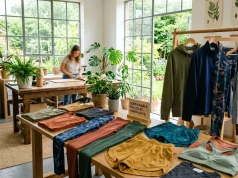

In today’s digital landscape, choosing apparel is about more than style—it involves aligning personal values with environmental responsibility. Across gyms, yoga studios, and running trails, consumers are demanding sustainable sportswear materials that blend performance with planet-friendly practices. This year (2026), brands are responding by innovating fabrics that reduce water consumption, cut waste, and offer top-tier comfort and durability. As awareness of microplastic pollution, greenhouse gas emissions, and resource depletion grows, activewear made from organic fibers, recycled synthetics, and bio-based components becomes a compelling alternative to conventional gear. Whether you’re a seasoned athlete or someone simply seeking a healthier wardrobe, understanding the advantages of eco-conscious textiles empowers you to make choices that support both your fitness goals and broader environmental objectives. In this article, we explore the driving forces behind eco-friendly activewear, analyze the most promising sustainable sportswear materials, and provide practical tips for selecting and caring for your next workout essentials.
The Rise of Eco-Conscious Apparel
Conventional sportswear production often relies on petroleum-derived fibers such as nylon and traditional polyester, processes that contribute to global carbon emissions and shed microplastics into waterways with every wash. Today, consumers recognize the hidden costs of fast-fashion activewear: high energy inputs, chemical pollution, and landfill accumulation. In response, the industry is pivoting toward sustainable sportswear materials that minimize these impacts. Organizations like the United States EPA have documented the environmental toll of synthetic textiles and are encouraging manufacturers to adopt circular-economy principles. Simultaneously, research from institutions such as the United Nations Environment Programme underscores the benefits of closed-loop production, where waste streams are reintegrated as raw materials, drastically reducing resource extraction.
Brands are now marketing activewear that features recycled polyester derived from post-consumer plastics, organic cotton cultivated without synthetic fertilizers, and innovative fibers like Tencel™ made via solvent-recovery systems. These sustainable sportswear materials not only lower greenhouse gas footprints but also appeal to ethically minded customers seeking transparency. By scrutinizing supply chains, demanding third-party certifications, and investing in regenerative agriculture, the industry is forging a new paradigm. For consumers, this means increased access to workout apparel that performs reliably while supporting soil health, water conservation, and marine ecosystems. As eco-conscious apparel gains traction, fitness enthusiasts can contribute to a healthier planet with every purchase and training session.
Organic and Plant-Based Fibers Transforming Activewear
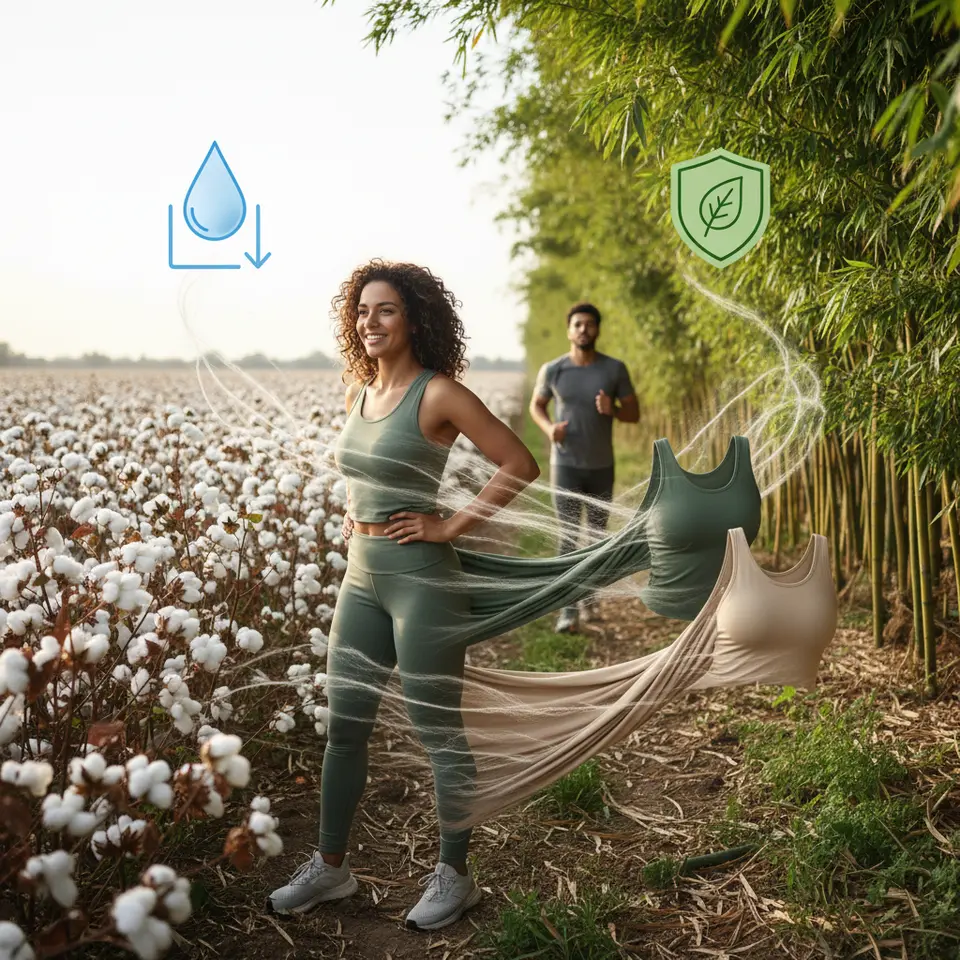
Organic cotton and bamboo-based fabrics represent two pillars of plant-derived sportswear that prioritize environmental stewardship and wearer comfort. Unlike conventional cotton, which typically demands large volumes of water and pesticides, organic cotton is grown under strict guidelines that safeguard soil biodiversity and eliminate toxic agrochemicals. Studies indicate that organic cotton cultivation can use up to 91% less water than its traditional counterpart, making it a standout choice for eco-friendly tees, tanks, and loungewear. Though cotton alone may lack stretch, modern blends combining organic cotton with sustainable elastane alternatives deliver moisture management, softness, and enough elasticity for low-impact workouts.
Bamboo fibers are likewise gaining popularity in performance apparel. When mechanically processed into linen-like fabrics, bamboo requires minimal irrigation and no chemical treatments, earning praise for its rapid renewability. Chemically transformed into bamboo viscose or rayon, the material offers exceptional moisture-wicking and natural antibacterial properties that resist odor buildup during intense exercise. To ensure genuine sustainability, look for brands that utilize closed-loop systems for solvent recovery or specify mechanically processed bamboo, thus avoiding harsh chemical residues. As part of a growing list of sustainable sportswear materials, organic cotton and bamboo fibers showcase how plant-based innovations can combine comfort, biodegradability, and responsible sourcing.
Recycled and Regenerated Synthetics for Performance
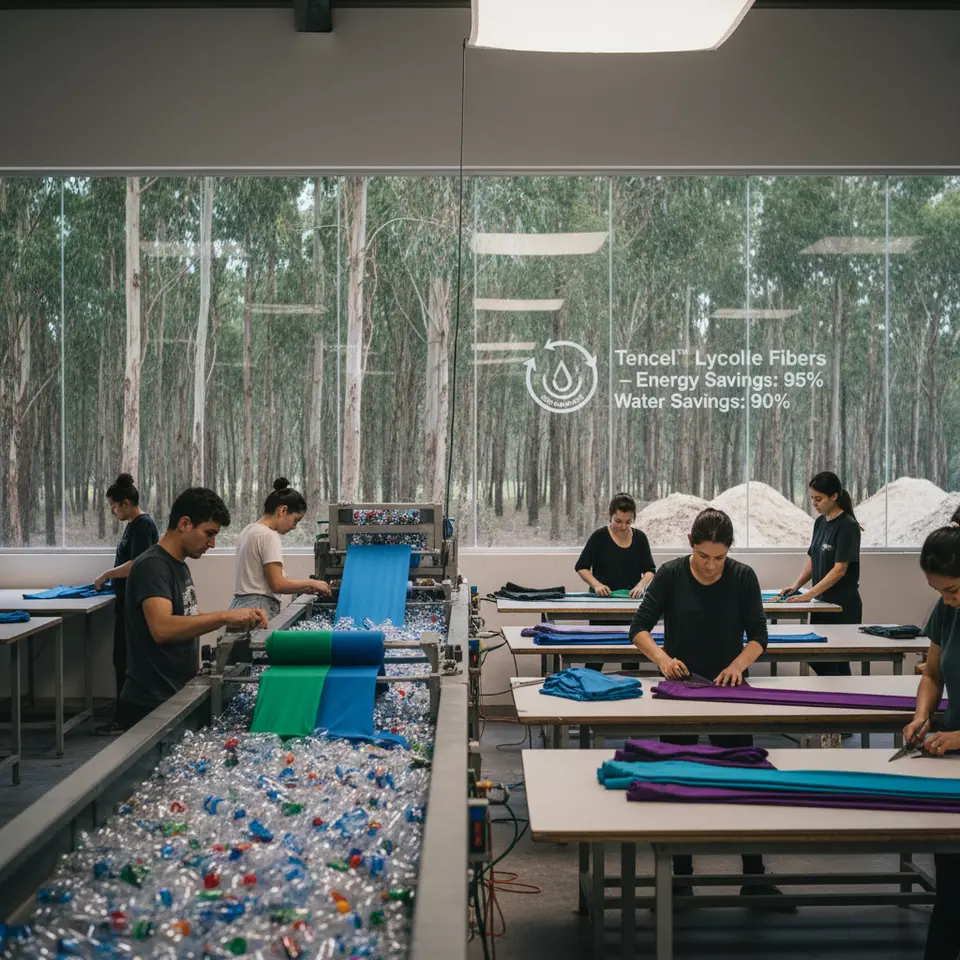
While plant-based textiles excel in breathability, performance-driven activities often demand fabrics with superior elasticity, durability, and quick-drying capabilities. Recycled polyester—commonly known as rPET—has emerged as a leading solution. By melting down post-consumer plastic bottles and industrial polyester fabric scraps, manufacturers can cut energy use by up to 75% compared to virgin polyester production. Certified under standards such as the Global Recycled Standard (GRS), rPET retains its resilience, moisture-wicking traits, and colorfastness, making it ideal for high-intensity sports bras, leggings, and outer layers.
Complementing rPET, Tencel™ Lyocell fibers produced by Lenzing offer a regenerated cellulose option. Derived from sustainably harvested eucalyptus, beech, or spruce wood, Tencel’s closed-loop manufacturing system recovers over 99% of processing solvents, greatly reducing chemical discharge. The resulting fiber is soft against the skin, excels at moisture absorption, and biodegrades under industrial composting conditions. When blended with recycled elastane or spandex alternatives, Tencel-based fabrics achieve an optimal balance of stretch, breathability, and environmental integrity. Together, rPET and Lyocell illustrate how recycled and regenerated synthetics expand the palette of sustainable sportswear materials without sacrificing athletic performance.
Bio-Based Elastics and Alternatives Beyond Fabric
True sustainability in sportswear extends beyond primary textiles to include trims, elastics, and structural components. Traditional elastic waistbands and shoe soles often rely on synthetic rubbers derived from petrochemicals. In contrast, natural rubber tapped from Hevea brasiliensis trees offers renewable elasticity for waistbands, cuffs, and athletic footwear outsoles. Responsible harvesting practices ensure tree health and maintain forest ecosystems, supporting both carbon sequestration and biodiversity.
Additional bio-based innovations include PLA (polylactic acid) elastics sourced from fermenting cornstarch and nylons synthesized from castor beans. These materials decrease fossil-fuel dependence and, in some cases, deliver industrially compostable options for post-use disposal. Manufacturers are also exploring mushroom-derived mycelium for cushioning insoles and labels printed on stone paper or recycled cotton waste. By integrating these bio-based trims and components, brands can present a holistic approach to sustainability, ensuring every element of an activewear garment—from seams to zippers—contributes to reduced environmental impact.
Practical Guide to Selecting and Maintaining Eco-Friendly Activewear
Navigating the growing market of sustainable sportswear materials can be daunting. To make informed choices, begin by examining product labels for reputable certifications: GOTS (Global Organic Textile Standard) for organic fibers, OEKO-TEX® for chemical safety, bluesign® for manufacturing transparency, and GRS for recycled content. Prioritize items with high percentages of certified materials rather than token recycled or organic blends.
Durability also factors into overall sustainability. Investing in well-constructed pieces reduces the need for frequent replacements. Look for reinforced seams, quality stitching, and tested fabric performance. When a garment reaches the end of its life cycle, take advantage of take-back and recycling programs that disassemble textiles for new applications. Brands like Patagonia and other industry leaders maintain circular initiatives that extend product longevity.
Proper care practices further enhance the lifespan of eco-friendly activewear. Wash garments in cold water on gentle cycles using biodegradable detergents to limit chemical runoff. Avoid fabric softeners, which can clog moisture-wicking fibers, and opt for air-drying whenever possible to conserve energy. For odor-prone items, a pre-soak in cold water mixed with white vinegar offers a natural disinfectant. By combining thoughtful selection with conscientious maintenance, you ensure that your sustainable sportswear materials remain effective and eco-friendly throughout their usable life.
FAQ
What certifications should I look for in sustainable activewear?
Key certifications include GOTS for organic fibers, OEKO-TEX® for chemical safety, bluesign® for supply-chain transparency, and the Global Recycled Standard (GRS) for recycled content. These labels indicate rigorous third-party audits and ensure the materials and processes meet high environmental and social standards.
Do recycled materials perform as well as virgin synthetics?
Yes. Recycled polyester (rPET) maintains the strength, elasticity, and moisture-wicking properties of virgin polyester while reducing energy use and waste. Regenerated cellulose fibers like Tencel™ Lyocell also offer superior softness and breathability, making them ideal for both casual and high-intensity activities.
How can I extend the life of my eco-friendly workout clothes?
Proper garment care is essential. Wash in cold water on a gentle cycle, use biodegradable detergents, and air-dry when possible. Avoid fabric softeners and opt for spot cleaning or pre-soaks with white vinegar to remove odors. Following these practices reduces wear and preserves performance features.
Conclusion
Embracing sustainable sportswear materials is more than a trend—it’s a critical strategy for reducing the environmental impact of our active lifestyles. From organic cotton and bamboo to recycled polyester, Tencel Lyocell, and bio-based elastics, today’s innovative textiles offer versatile performance while protecting natural resources. By prioritizing certified fabrics, durable designs, and proper garment care, you can maximize the benefits of eco-friendly activewear. As consumer demand continues to drive transparency and circular solutions, the future of fitness apparel looks both high-tech and planet-positive. Make each workout count by choosing sustainable sportswear materials that support your goals and nurture the world around us.