
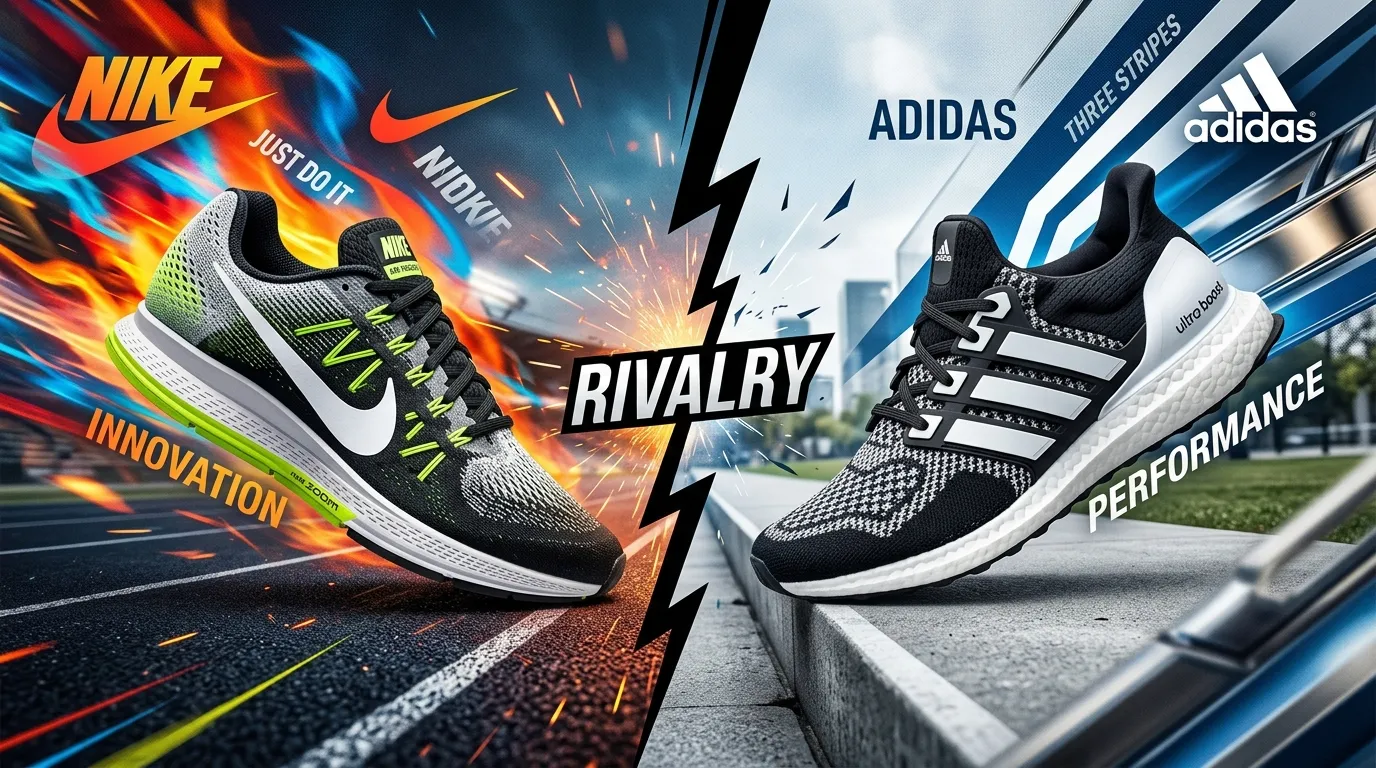
Choosing between two giants is rarely simple. This guide breaks down Nike vs Adidas Sportswear across fit, fabric technology, performance, price, and sustainability. Whether you run, lift, or just want comfortable everyday gear, you will learn which brand fits your goals and budget best.
This article compares both brands on design philosophy, apparel technology, comfort, and real-world performance for running, gym, and team sports. You will see how they differ in durability, fit, value for money, and sustainability, backed by research from YouGov and each brand’s own materials data. By the end, you can confidently match a brand to your training needs.
Why the Nike vs Adidas Sportswear Debate Still Matters
These two names have shaped athletic culture for decades. They sponsor the same leagues, chase the same athletes, and release competing innovations almost in lockstep. That rivalry pushes both to improve, which is good news for you.
The choice matters because sportswear is personal. The right gear affects how you move, how you recover, and how confident you feel. A jacket that traps heat or a legging that slips during squats can quietly ruin a session.
Independent data shows just how close these brands are. According to YouGov’s 2026 Best Brand Rankings, adidas held a slight global edge on value for money, while Nike built a stronger quality perception among U.S. consumers. Their overall global scores sat less than a point apart.
So this is not about one brand “winning.” It is about finding the better match for your body, your sport, and your wallet. That framing shapes the rest of this comparison.
What this guide covers
We will walk through brand history, design philosophy, fabric technology, fit, and performance across activities. Then we will tackle price, durability, sustainability, style, and clear buying advice. Each section gives you specific takeaways instead of vague praise.
Brand History and Design Philosophy

Understanding where each brand comes from explains how their products feel today. History is not trivia here. It shapes design choices you will notice on the rack.
Nike began in 1964 in Oregon, rooted in running and a relentless drive for athletic performance. Its identity leans on innovation, bold marketing, and a “just do it” mindset that prizes pushing limits. That heritage shows in sharp, performance-first apparel and frequent tech launches.
Adidas started earlier, founded in Germany in 1949, with deep roots in football and craftsmanship. Its philosophy blends sport and culture, balancing serious performance with heritage style. The three stripes carry both stadium credibility and streetwear appeal.
These origins still guide their design today. Nike tends to push aggressive, race-ready aesthetics. Adidas often balances function with a cleaner, lifestyle-friendly look. Neither approach is better. They simply attract different tastes.
How philosophy shapes product feel
When you try both brands, you feel the difference. Nike gear frequently feels engineered for movement first, with athletic cuts and visible tech. Adidas pieces often feel versatile, comfortable enough for the gym yet polished enough for the street. Your preference here is a major clue about which brand suits you.
Apparel Technologies Compared
Fabric technology is where the Nike vs Adidas Sportswear rivalry gets technical. Both invest heavily in materials science, and both market their innovations hard. Cutting through the marketing helps you judge what actually matters.
Nike’s signature apparel technology is Dri-FIT. The brand describes Dri-FIT as a sweat-wicking fabric engineered to keep athletes dry and comfortable during exercise. Its microfiber construction pulls sweat to the surface so it evaporates faster. Nike has continued to expand this family with newer breathability-focused innovations designed to move air between skin and fabric.
Adidas counters with its own performance fabrics, often grouped under names like Aeroready and Climacool, built around moisture-wicking and breathability. The brand emphasizes that materials shape performance, quality, comfort, and environmental impact, treating fabric as the foundation of everything.
Both deliver strong sweat management. In practice, the gap is small. What differs is feel and cut, which is why trying both is smart.
Moisture management and breathability
For high-sweat activities, both brands perform well. Nike’s Dri-FIT excels as a base layer in direct contact with skin. Adidas fabrics offer comparable wicking with a focus on airflow. If you run hot, prioritize lighter, more open weaves from either brand rather than fixating on the logo.
Temperature and weather adaptation
Both lines include warming and cooling ranges. Nike offers thermal layers for cold training, while adidas provides insulated and weather-ready options too. For year-round athletes, each brand has a full system. Match the specific product line to your climate, not the brand name alone.
Fit, Comfort, and Sizing Differences

Fit may be the single most important factor in sportswear, and it is deeply personal. The best fabric in the world fails if the garment does not sit right on your body.
Nike often cuts apparel with an athletic, performance-focused silhouette. Many runners and gym-goers find Nike tops slightly more tailored through the torso. Sizing can run a touch slim, so checking the specific item’s guidance helps.
Adidas frequently offers a slightly more relaxed, versatile fit across many ranges, though this varies by collection. Its lifestyle-leaning pieces tend to suit those who want gym-to-street flexibility without feeling compressed.
Comfort comes down to seams, waistbands, and fabric weight as much as cut. Both brands use flat seams and supportive waistbands in their premium training apparel. The difference you feel is often line-specific rather than brand-wide.
Finding your best fit
Try both brands in the same garment category before committing. A Nike running tee and an adidas running tee may fit your shoulders very differently. Pay attention to how the fit moves when you mimic your actual activity, not just how it looks standing still.
Performance Across Activities
A brand can shine for running yet feel ordinary in the gym. Matching gear to your main activity beats chasing an all-purpose answer. Here is how each brand tends to perform by use case.
Running gear
Both brands have deep running heritage, but Nike’s running roots run especially deep. Its running gear often emphasizes lightweight builds, sweat-wicking layers, and race-day aesthetics. Adidas running apparel competes closely, with strong breathable fabrics and comfortable long-distance comfort. Serious runners often own pieces from both and choose by feel.
Gym and training apparel
For lifting and studio work, fit and stretch matter most. Both brands offer four-way stretch fabrics and supportive cuts in their training apparel. Nike’s tailored fit suits those who like a compressive feel during heavy sets. Adidas’s slightly relaxed options appeal to those who prefer freedom of movement. Test both under load.
Team and field sports
Adidas carries massive credibility in football and field sports, a legacy tied to decades of team sponsorships. Its jerseys and kits are stadium-tested for durability and airflow. Nike also dominates many team categories, including basketball and global football kits. For team sports, league sponsorships and specific kit tech often decide the match.
Casual and lifestyle wear
Here adidas’s heritage style gives it a strong edge for many shoppers. The three stripes translate effortlessly to streetwear. Nike’s lifestyle range is huge and trend-driven, especially among younger buyers. For everyday wear, this comes down to personal style more than performance.
The takeaway is simple. Identify your primary activity, then judge the specific product line built for it rather than relying on broad brand reputation.
Material Quality, Durability, and Construction
Quality is where perception and reality sometimes diverge. Marketing aside, durability depends on fabric, stitching, and how you care for the garment.
YouGov’s research is revealing here. Globally, quality perception between the brands was nearly identical. Yet in the U.S., Nike pulled ahead, with its quality score climbing well above adidas by late 2025. Perception, though, is not the whole story.
Adidas backs its quality claims with materials transparency. The brand states that it continuously tests apparel for performance and durability, treating quality as vital to its business. Its detailed materials reporting reflects that rigor.
In real use, both brands produce durable premium lines and more disposable budget pieces. A high-end Nike or adidas item, cared for properly, can last years. Cheaper entry-level gear from either brand wears faster. Price tier predicts longevity more reliably than the logo.
What actually drives durability
Look at fabric weight, stitch density, and reinforcement at stress points like seams and waistbands. Wash in cold water and air-dry to extend life. These habits matter more than the brand badge for keeping gear in shape over time.
Price Versus Value for Money
Cost is often the deciding factor, and the two brands are not identical here. Understanding price versus value helps you spend wisely rather than emotionally.
YouGov’s 2026 data found adidas holding a clearer global advantage on value for money, posting a higher value score than Nike worldwide. Even in the U.S., where Nike narrowed the gap, adidas retained a value edge. Nike, meanwhile, commanded stronger quality and satisfaction perception domestically.
What does that mean for you? Adidas may feel like more product for the money, especially during its frequent sales. Nike often charges a premium that buyers justify through perceived quality, innovation, and brand status.
Value is not just the sticker price. A durable, well-fitting garment you wear constantly offers better value than a cheaper piece you abandon. Factor in how often you will actually use the item.
|
Factor |
Nike |
Adidas |
|---|---|---|
|
Global value perception (YouGov 2026) |
Slightly lower |
Slight edge |
|
U.S. quality perception |
Stronger |
Solid |
|
Signature fabric tech |
Dri-FIT |
Aeroready / Climacool |
|
Design lean |
Performance-first |
Sport-meets-lifestyle |
|
Fit tendency |
Athletic, slightly slim |
Slightly relaxed, versatile |
|
Lifestyle/streetwear appeal |
Trend-driven, large range |
Heritage style strength |
|
Best-known strength |
Running, basketball |
Football, casual style |
|
Recycled polyester use |
Expanding |
99% of polyester recycled |
This table simplifies broad tendencies. Always check the specific product, since both brands span budget to premium tiers.
Sustainability and Ethical Production
Sustainability now influences many buying decisions, and both brands have made it central to their messaging. The differences are worth understanding before you buy.
Adidas has published detailed, measurable commitments. The brand reports that 60% of the materials used in its products and packaging in 2025 were recycled or sustainably sourced renewable. It also states that 99% of the polyester used in its products is recycled, a striking figure for performance fabric.
Nike has invested heavily in sustainability too, highlighting recycled materials and circular design across apparel and footwear. Both brands publish sustainability policies and continue pushing toward lower-impact production.
For eco-conscious shoppers, adidas’s specific, verifiable material data gives it a transparency advantage today. That said, both brands offer dedicated sustainable lines worth seeking out if environmental impact ranks high on your list.
How to shop more sustainably
Look for explicitly labeled recycled or sustainable collections from either brand. Buying fewer, higher-quality pieces you wear often beats frequent purchases of cheap gear. Longevity is itself a form of sustainability, regardless of which brand you choose.
Style, Aesthetics, and Brand Identity
Beyond performance, sportswear is a statement. How a brand looks and feels often seals the decision, especially for casual wear.
Nike’s aesthetic leans bold, modern, and athlete-driven. The swoosh signals performance and trend awareness, which resonates strongly with younger and style-conscious buyers. Its collaborations and limited drops fuel hype.
Adidas blends sport and culture with a more heritage-rooted look. The three stripes carry timeless appeal that works in the gym and on the street. Its retro lines and lifestyle collections enjoy lasting popularity.
Identity matters because you are more likely to wear and enjoy gear you feel good in. Neither look is superior. The right choice reflects your personal taste and the image you want your gear to project.
How to Choose the Right Brand for Your Goals

By now the pattern is clear. The smarter question is not which brand wins, but which fits your specific needs. Use a goal-first approach.
- Prioritize running and innovation: Lean Nike for its running heritage, tailored fit, and Dri-FIT sweat management, especially if premium quality perception matters to you.
- Prioritize value and versatile style: Lean adidas for its value for money, transparent sustainability data, and gym-to-street design appeal.
- Prioritize specific sports or kits: Choose by the sport. Adidas leads in football heritage, while Nike dominates basketball and many global kits.
Match the brand to your dominant activity and your budget, then narrow to the specific product line. This beats picking a logo and hoping it fits every need.
A quick decision framework
Ask three questions. What is my main activity? What is my budget and how often will I wear this? Which fit and style do I genuinely prefer? Answer honestly, and the right brand usually becomes obvious without overthinking it.
Common Mistakes to Avoid
Even savvy shoppers slip up. Avoiding these pitfalls saves money and frustration.
Buying by logo alone is the biggest mistake. Both brands span cheap and premium tiers, so the badge tells you little about quality. Judge the specific item instead.
Ignoring fit is another common error. A great fabric in the wrong cut performs poorly. Always test how a garment moves during your actual activity, not just how it looks.
Overpaying for hype happens often, especially with limited drops. Trend pieces fade. Pay for durability, breathability, and moisture-wicking performance you will use, not just the name.
Finally, skipping care instructions shortens a garment’s life. Washing premium training apparel on high heat breaks down fabrics fast. Follow the label to protect your investment.
Expert Insights and Pro Tips
Seasoned shoppers and product testers share consistent advice. These tips help you buy smarter from either brand.
First, shop by product line, not brand. Both Nike and adidas have standout ranges and weaker ones. Research the specific collection built for your sport.
Second, time your purchases. Adidas runs frequent sales that boost its already strong value for money, while Nike discounts seasonal lines too. Patience often pays.
Third, build a mixed wardrobe. Many athletes own both brands, using Nike for one strength and adidas for another. Loyalty to a single logo limits your options unnecessarily.
Fourth, prioritize fit and fabric over marketing claims. The best gear is the piece you reach for again and again because it feels right and performs in your real running gear rotation or gym sessions.
Conclusion
The Nike vs Adidas Sportswear choice comes down to your goals, not a universal winner. Nike leads on performance heritage and U.S. quality perception, while adidas edges ahead on value and material transparency. Identify your main activity, test the fit, and weigh price against longevity. Ready to choose? Compare specific lines today and pick the gear that truly fits your training.
Frequently Asked Questions
1. Is Nike or Adidas better for sportswear overall?
Neither is universally better. YouGov’s 2026 research showed the brands nearly tied globally, with adidas slightly ahead on value and Nike stronger on U.S. quality perception. The right choice depends on your activity, fit preference, budget, and style. Both produce excellent premium gear and weaker budget lines, so judge the specific product, not just the brand name.
2. Which brand has better fabric technology?
Both excel. Nike’s Dri-FIT is engineered to wick sweat and keep athletes dry, while adidas uses fabrics built around moisture-wicking and breathability like Aeroready. In practice, the performance gap is small. Differences in feel, cut, and weight matter more than the technology name, so test both in your specific activity before deciding.
3. Does Nike or Adidas offer better value for money?
Adidas holds a slight edge on value for money. YouGov’s 2026 data found adidas scoring higher on value globally and in the U.S., even as Nike narrowed the gap. Adidas also runs frequent sales. However, value depends on longevity too, so a durable, well-used Nike piece can still deliver strong value.
4. Which brand is more durable?
Durability depends more on price tier and care than on the brand. Both produce long-lasting premium lines and faster-wearing budget pieces. Adidas emphasizes continuous durability testing, and Nike enjoys strong U.S. quality perception. Focus on fabric weight, stitch quality, and proper washing to maximize durability from either brand.
5. Is Adidas or Nike better for running?
Nike has especially deep running roots and offers tailored, lightweight running gear with strong sweat management. Adidas competes closely with breathable, comfortable running apparel. Many serious runners own both and choose by feel. Try each brand’s running line in your typical conditions to find your best match.
6. Which brand fits better for gym training?
Both offer stretchy, supportive training apparel. Nike tends toward an athletic, slightly compressive fit, ideal for heavy lifting. Adidas often runs slightly more relaxed, suiting those who want freedom of movement. Fit is personal, so test both under real training loads before committing to one brand for the gym.
7. Which brand is more sustainable?
Adidas currently leads on transparency. It reports that 60% of materials used in products and packaging in 2025 were recycled or sustainably sourced renewable, and 99% of its polyester is recycled. Nike also invests heavily in sustainability and recycled materials. For eco-focused buyers, adidas’s specific, verifiable data offers a clear advantage today.
8. Does Nike or Adidas fit slimmer?
Nike apparel often runs slightly slimmer with an athletic cut, especially through the torso. Adidas tends to offer a more relaxed, versatile fit across many ranges, though this varies by collection. Always check the specific item’s sizing guidance and, ideally, try the garment on before buying.
9. Which brand is better for casual and streetwear?
Adidas’s heritage style and three stripes give it strong streetwear appeal, working easily from gym to street. Nike’s lifestyle range is large and trend-driven, popular with younger buyers. For casual wear, this comes down to personal style rather than performance, so choose the look you genuinely prefer.
10. Can I mix Nike and Adidas in my workout wardrobe?
Absolutely, and many athletes do. Each brand has standout strengths, so combining them lets you use the best of both. You might choose Nike running gear for its fit and adidas pieces for value and versatility. Building a mixed wardrobe maximizes performance, comfort, and value without limiting yourself to one logo.