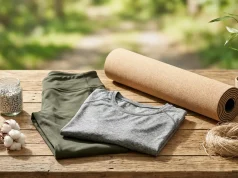

Finding the perfect teen boy winter sportswear is crucial for cold weather athletic performance. Equip your young athlete with gear that balances absolute warmth, mobility, and modern style effortlessly.
This comprehensive guide breaks down everything you need to know about teen boy winter sportswear. From mastering the essential three-layer system to choosing moisture-wicking fabrics and avoiding common cold-weather clothing mistakes, you will learn exactly how to keep your athlete comfortable and safe.
Why Quality Teen Boy Winter Sportswear Matters
When temperatures drop, the right athletic apparel becomes a matter of safety and performance. Teen boy winter sportswear is specifically engineered to handle the unique physical demands of growing, highly active youth. Standard winter coats and heavy cotton sweatpants simply do not provide the necessary technical support for rigorous outdoor sports. Proper winter sportswear utilizes advanced textile technology to manage sweat, retain body heat, and block freezing winds without restricting movement.
Young athletes generate a massive amount of body heat during physical exertion. If their clothing traps this heat and holds onto sweat, the moisture will eventually cool against their skin. This leads to rapid body temperature drops, discomfort, and a higher risk of hypothermia. High-quality teen boy winter sportswear combats this by actively moving moisture away from the body. Investing in the right teen boy winter sportswear ensures that your athlete can focus entirely on their form, technique, and game strategy, rather than shivering on the sidelines.
Furthermore, winter sportswear is designed with an articulated fit. This means the garments feature stretch panels around the knees, elbows, and shoulders to accommodate full extensions, deep squats, and rapid changes in direction. When you prioritize specialized teen boy winter sportswear, you give your teenager the mechanical advantage they need to excel during winter training sessions.
The Science Behind Teen Boy Winter Sportswear Fabrics
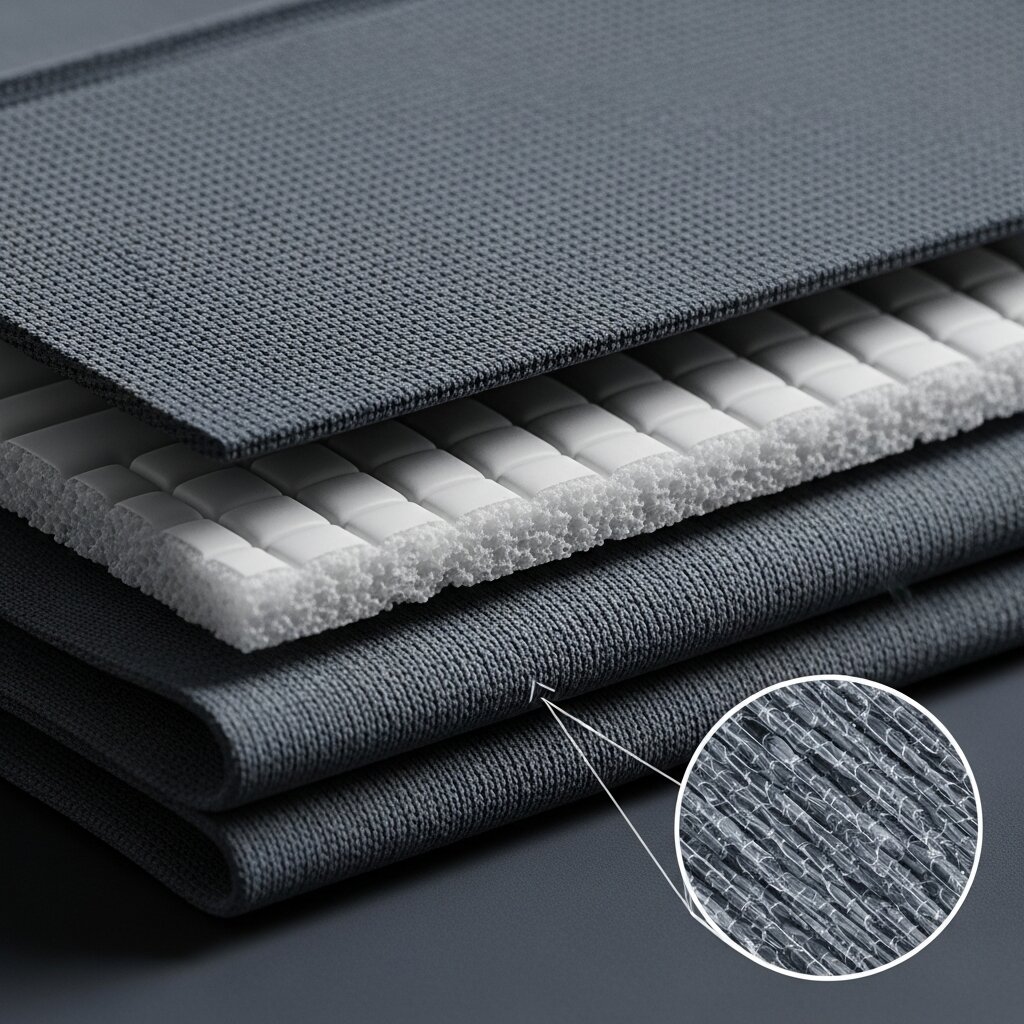
Understanding fabric composition is the most critical step when selecting teen boy winter sportswear. Not all materials perform equally in freezing temperatures. The best teen boy winter sportswear relies on synthetic blends and natural performance fibers to create a comfortable microclimate around the athlete’s body.
Moisture-Wicking Base Layers
The foundation of any great teen boy winter sportswear setup is the base layer. This layer sits directly against the skin and is responsible for sweat management. Exceptional teen boy winte sportswear utilizes polyester or Merino wool for this purpose. Polyester is hydrophobic, meaning it repels water. It features microscopic channels that pull sweat away from the skin and push it to the outer surface of the fabric for rapid evaporation. Merino wool, another staple in premium teen boy winter sportswear, offers natural temperature regulation and antimicrobial properties, keeping the garment smelling fresh even after intense workouts.
Insulating Mid-Layers
The second component of teen boy winter sportswear is the insulating mid-layer. The goal here is to trap warm air close to the body while still allowing moisture vapor to escape. Fleece is a dominant material in teen boy winter sportswear mid-layers because it is exceptionally lightweight and breathable. Grid-fleece patterns are particularly effective in teen boy winter sportswear, as the raised squares trap heat while the channels between them release excess warmth and sweat.
Weatherproof Outer Shells
The final layer of teen boy winter sportswear acts as a shield against the elements. Whether facing snow, sleet, or biting winds, the outer shell must be highly weather-resistant. Top-tier teen boy winter sportswear jackets feature durable water repellent (DWR) coatings that cause water to bead up and roll off the fabric. Additionally, the best teen boy winter sportswear shells incorporate breathable membranes like Gore-Tex. As recommended by the outdoor experts at REI, breathable membranes are essential because they prevent rain from entering while allowing internal sweat vapor to vent out.
The Essential Three-Layer System for Teen Boy Winter Sportswear
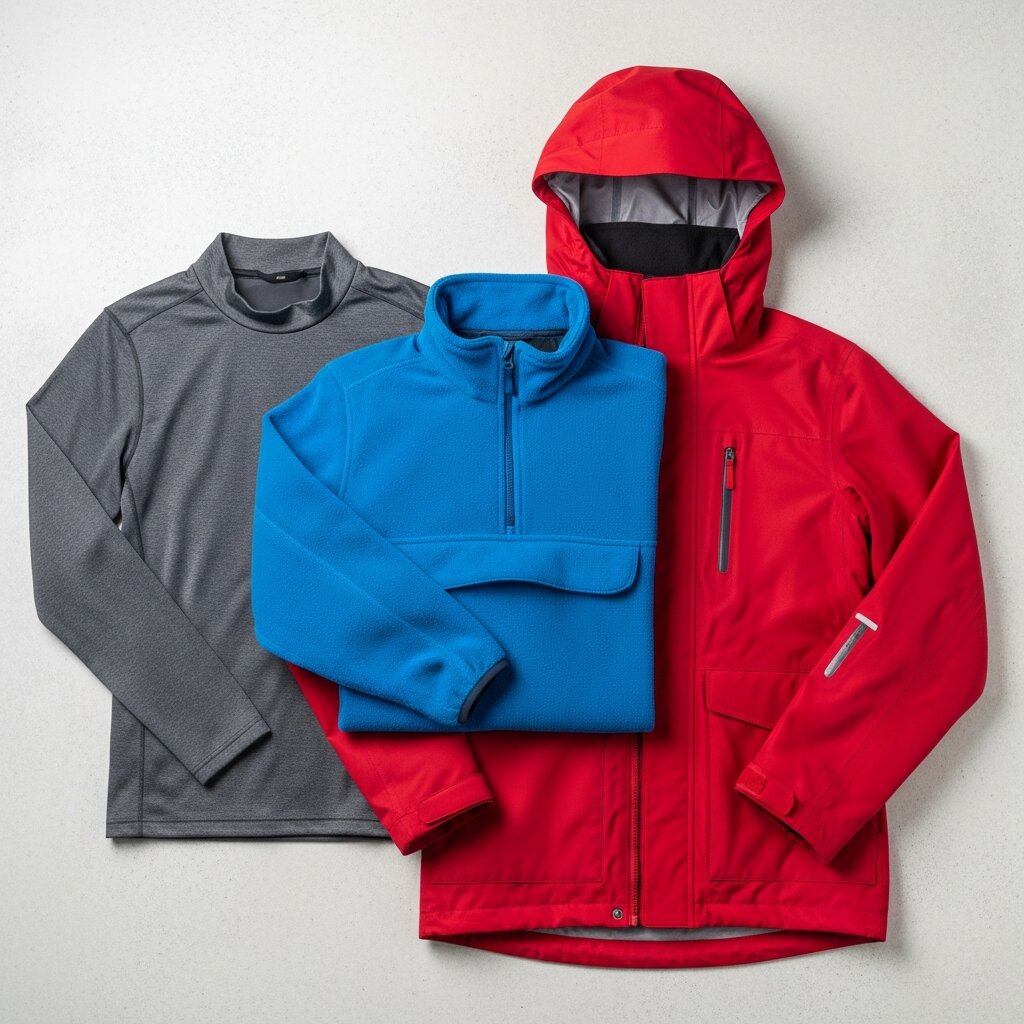
Mastering the three-layer system is non-negotiable for maximizing the effectiveness of teen boy winter sportswear. This modular approach allows athletes to adapt their teen boy winter sportswear dynamically as their body temperature fluctuates and weather conditions change.
First, start with a snug-fitting base layer. In the context of teen boy winter sportswear, this should fit like a second skin without causing constriction. A tight fit ensures the fabric maintains direct contact with the sweat for efficient wicking.
Second, add the thermal mid-layer. Depending on the severity of the cold, teen boy winter sportswear mid-layers can range from thin long-sleeve athletic tops to thicker synthetic insulated vests. The versatility of teen boy winter sportswear means your athlete can remove this layer easily if the afternoon sun warms up the practice field.
Third, complete the teen boy winter sportswear ensemble with a protective outer shell. For high-aerobic activities like running, a lightweight windbreaker is often sufficient. For stop-and-go activities like snowboarding, a heavier, waterproof teen boy winter sportswear jacket is required.
Top Teen Boy Winter Sportswear for Specific Activities
Different winter sports require different teen boy winter sportswear solutions. You cannot use the same teen boy winter sportswear for a cross-country run as you would for alpine skiing.
Skiing and Snowboarding Gear
For winter mountain sports, teen boy winter sportswear must prioritize waterproofing and impact durability. Snowboarders and skiers spend a lot of time exposed to high winds and wet snow. Look for teen boy winter sportswear jackets with high waterproof ratings (at least 10,000mm) and built-in snow skirts to prevent powder from riding up their backs. Teen boy winter sportswear pants for skiing should feature reinforced cuffs to withstand the friction of ski boots and sharp edges.
Winter Running and Track
When it comes to winter running, teen boy winter sportswear needs to be incredibly streamlined and highly visible. Heavy teen boy winter sportswear will only weigh a runner down and cause overheating. Opt for thermal, fleece-lined running tights and a lightweight wind-blocking jacket. Essential teen boy winter sportswear for runners also includes 360-degree reflective detailing to ensure safety during dark, early morning or late afternoon training sessions.
Cold Weather Field Sports
Sports like soccer, lacrosse, and football present a unique challenge for winter sportswear. Athletes experience intense bursts of energy followed by periods of standing still. Teen boy winter sportswear for field sports should include compression tights worn under standard uniform shorts, alongside long-sleeve compression tops. Sideline jackets—oversized, heavily insulated teen boy winter sportswear coats—are vital for keeping muscles warm while waiting to sub into the game.
Essential Accessories for Teen Boy Winter Sportswear
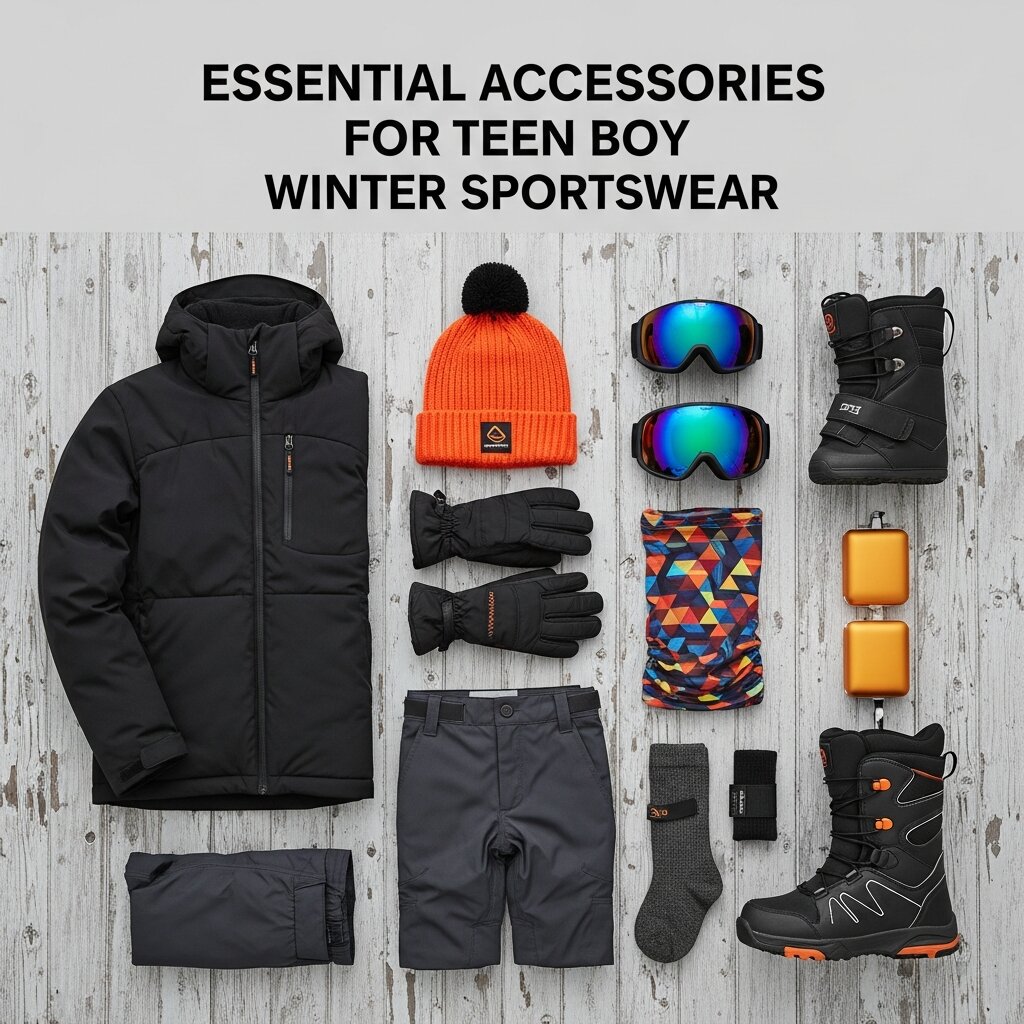
Teen boy winter sportswear is not complete without the right accessories to protect the extremities. A massive amount of body heat is lost through the head, hands, and feet, making accessories a vital part of any winter sportswear haul.
For the head, a moisture-wicking beanie is a staple in teen boy winter sportswear. Avoid thick, chunky knit hats that trap sweat; instead, choose thin, thermal skull caps that can easily fit under a ski or cycling helmet.
Hands require specialized winter sportswear as well. Soccer players and runners benefit from thin, grippy thermal gloves, while skiers need heavily insulated, waterproof teen boy winter sportswear mittens.
Footwear accessories are often overlooked in teen boy winter sportswear. Heavy cotton socks will lead to freezing, blistered feet. Invest in Merino wool athletic socks as part of your teen boy winter sportswear strategy to guarantee dry, warm, and comfortable feet.
Common Mistakes to Avoid with Teen Boy Winter Sportswear
Even well-intentioned parents make errors when buying teen boy winter sportswear. Avoiding these pitfalls will ensure your teenager stays comfortable and safe.
Cotton is the Enemy: The biggest mistake in winter sportswear is wearing cotton. Cotton absorbs sweat like a sponge and loses all insulating properties when wet. Remove all cotton t-shirts and hoodies from your teen boy winter sportswear rotation.
Buying Too Big: While it is tempting to size up for growing kids, winter sportswear must fit properly to function. Base layers that are too loose cannot wick moisture, and oversized jackets allow cold drafts to enter. Buy winter sportswear that fits their current dimensions.
Ignoring Wind Protection: Many parents focus solely on insulation when buying winter sportswear. However, biting winds can cut right through thick fleece. A proper teen boy winter sportswear system must include a wind-blocking layer to prevent rapid heat loss.
Overdressing: It is easy to put too much teen boy winter sportswear on an athlete. If they start their workout feeling comfortably warm, they will be overheating within ten minutes. Teen boy winter sportswear should leave the athlete feeling slightly chilly before the warm-up begins.
Improper Washing: Teen boy winter sportswear requires specialized care. Washing high-tech winter sportswear with fabric softeners will clog the moisture-wicking pores. Always use gentle detergents and air dry your teen boy winter sportswear to maintain its technical properties.
Expert Insights and Pro Tips for Teen Boy Winter Sportswear
To truly maximize your teen boy winter sportswear, consider these expert insights utilized by professional athletic trainers.
Always utilize the “bold start, warm finish” method with teen boy winter sportswear. Encourage your athlete to start their warm-up wearing all their teen boy winter sportswear layers. Once a light sweat breaks, they should shed the outer shell. This prevents the teen boy winter sportswear from getting drenched in sweat early in the session.
Cross-link your wardrobe by utilizing Layering Strategies that work across multiple seasons. A lightweight waterproof shell purchased for teen boy winter sportswear can easily double as a spring rain jacket. Similarly, high-quality Moisture-Wicking Fabrics used in winter base layers can be worn as standalone shirts during crisp autumn evening practices.
When evaluating teen boy winter sportswear, pay attention to the zippers and seams. Premium teen boy winter sportswear features taped seams to prevent water intrusion and oversized zipper pulls that can be easily operated while wearing thick winter gloves.
Teen Boy Winter Sportswear Fabric Comparison Table
To help you make the best purchasing decisions for teen boy winter sportswear, reference this detailed fabric comparison table.
|
Fabric Type |
Moisture-Wicking |
Insulation |
Wind Resistance |
Best Teen Boy Winter Sportswear Use |
|---|---|---|---|---|
|
Polyester |
High |
Low |
Low |
Base layers, high-intensity running shirts |
|
Merino Wool |
High |
High |
Low |
Thermal base layers, winter socks |
|
Nylon Blend |
Medium |
Low |
Medium |
Durable outer shorts, lightweight windbreakers |
|
Fleece (Synthetic) |
Low |
High |
Low |
Mid-layer insulation, post-workout hoodies |
|
Gore-Tex |
Medium |
Low |
High |
Waterproof outer shells, ski jackets |
|
Cotton |
Very Low |
Low |
Low |
Avoid for active teen boy winter sportswear |
Understanding these fabrics ensures that your teen boy winter sportswear selections are perfectly suited to the environmental conditions your young athlete will face.
Maintaining and Caring for Teen Boy Winter Sportswear
Purchasing premium winter sportswear is an investment, and proper maintenance is required to protect that investment. The technical fibers in teen boy winter sportswear are sensitive to extreme heat and harsh chemicals.
Always read the care labels on your winter sportswear. Most manufacturers recommend washing winter sportswear in cold water on a gentle cycle. Turn winter sportswear inside out before washing to protect outer water-repellent coatings and reflective decals.
Never put teen boy winter sportswear in the dryer. High heat melts the elastane and spandex fibers that give winter sportswear its stretch and recovery. Hang your winter sportswear on a drying rack in a well-ventilated room. Since the materials are designed to repel water, your winter sportswear will dry surprisingly fast.
Furthermore, if the waterproof outer shell of your teen boy winter sportswear begins to absorb water instead of repelling it, you can revive it. Utilize a specialized wash-in waterproofing treatment to restore the DWR coating on your teen boy winter sportswear, ensuring it remains protective for seasons to come.
Choosing the Right Fit for Teen Boy Winter Sportswear
The fit of teen boy winter sportswear drastically affects its performance. Teenagers come in all shapes and sizes, and finding the right winter sportswear can require some trial and error.
For tops, winter sportswear should allow for a full range of arm motion without the hem riding up to expose the lower back. Test teen boy winter sportswear jackets by having your teen raise their arms straight up; the jacket should remain relatively in place.
For bottoms, winter sportswear pants must accommodate the hips and thighs without restricting stride length. Look for teen boy winter sportswear with internal drawstrings or adjustable waistbands to dial in the perfect fit. Ensure that the inseam of the winter sportswear is long enough to cover the ankles even when the knees are fully bent.
By carefully evaluating the fit, fabrics, and functionality, you will assemble a teen boy winter sportswear wardrobe that keeps your athlete performing at their absolute peak, regardless of the forecast.
Conclusion
Investing in high-quality teen boy winter sportswear guarantees optimal performance and protection against harsh elements. By prioritizing breathable fabrics, mastering strategic layering, and avoiding cotton, young athletes can confidently conquer any cold-weather challenge. Upgrade their wardrobe with premium teen sportswear today and watch them safely excel on the field, track, or slopes all season long.
FAQs
What is the most important layer in teen boy winter sportswear?
The base layer is the most critical component of winter sportswear. It manages sweat and keeps the skin dry. Without a moisture-wicking base layer, all other winter sportswear layers will fail to keep the athlete warm and comfortable.
Can my son wear a regular winter coat for outdoor sports?
No, regular winter coats are not designed for high aerobic activity. They lack the breathability and articulated joints found in proper winter sportswear, leading to severe overheating, sweat accumulation, and restricted movement.
How do I clean smelly teen boy winter sportswear?
Wash winter sportswear in cold water using a sports-specific enzyme detergent designed to break down body oils and sweat. Never use fabric softeners on winter sportswear, as they trap odors and ruin moisture-wicking capabilities.
Is Merino wool itchy for teen boy winter sportswear?
High-quality Merino wool used in premium winter sportswear is incredibly fine and soft, making it entirely itch-free. It is one of the best materials for temperature regulation and odor control in teen boy winter sportswear.
Should winter sportswear be tight or loose?
It depends on the layer. winter sportswear base layers should be tight to wick sweat efficiently. Mid-layers should have a relaxed fit to trap warm air, and teen boy winter sportswear outer shells should be roomy enough to cover the inner layers without restricting movement.
What are the best winter sportswear brands?
Brands that focus on outdoor technical gear and dedicated athletic apparel produce the best is winter sportswear. Look for companies that emphasize proprietary moisture-wicking technology and breathable, waterproof membranes in their teen boy winter sportswear lines.
How do I dress my teen for soccer in freezing weather?
Utilize a winter sportswear system consisting of thermal compression tights, a long-sleeve moisture-wicking base layer, standard uniform shorts and jersey, and thermal field gloves. Provide a heavy winter sportswear sideline jacket for breaks.
Why is cotton bad for teen boy winter sportswear?
Cotton absorbs moisture and holds it against the skin. In cold weather, wet cotton quickly turns freezing cold, increasing the risk of hypothermia and making the teen boy winter sportswear entirely ineffective for athletic use.
What is DWR in teen boy winter sportswear?
DWR stands for Durable Water Repellent. It is a chemical coating applied to the outer shells of winter sportswear that causes rain and snow to bead up and roll off, preventing the fabric from becoming saturated and heavy.
How many layers of winter sportswear are needed for running in the snow?
Typically, two to three layers of t winter sportswear are required. A moisture-wicking base layer, an optional light thermal mid-layer depending on the exact temperature, and a windproof, water-resistant winter sportswear jacket to block the snow.