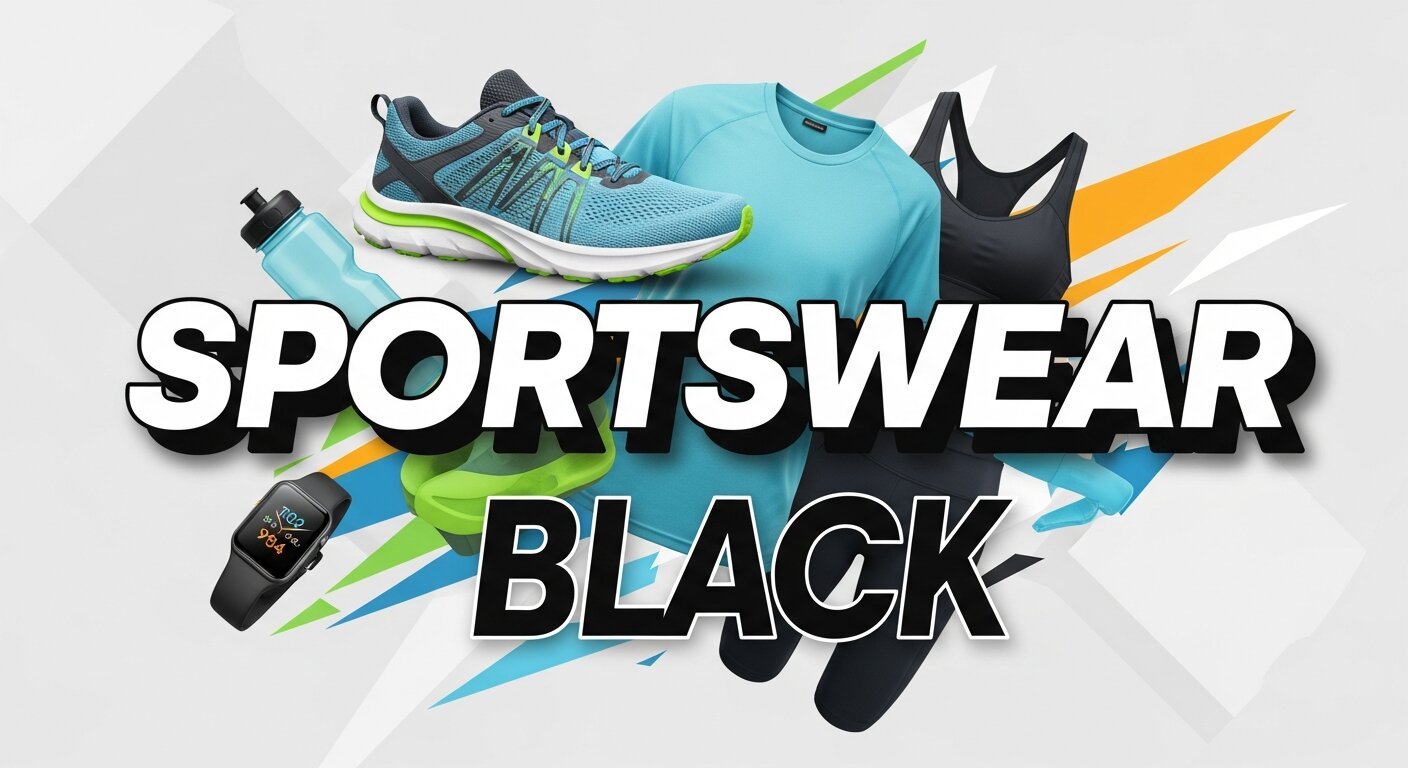
In today’s digital landscape, choosing the right sportswear can revolutionize the way you approach every training session. This ultimate sportswear guide is designed to equip fitness enthusiasts with the knowledge to select gear that balances comfort, style, and performance.
From cutting-edge fabric innovations to ergonomic designs, understanding the key elements of modern activewear ensures you remain focused on your goals rather than battling chafing, overheating, or restricted movement. Currently, athletes at all levels rely on specialized apparel engineered to support muscle function, regulate body temperature, and wick moisture away from the skin, making the selection of appropriate garments a critical component of any workout routine. Whether you’re a seasoned marathoner or someone taking the first steps on a fitness journey this year (2026), this comprehensive breakdown will walk you through essential considerations, including advanced materials, fit optimization, styling tips, seasonal adaptations, and maintenance strategies. Numerous studies from trusted institutions, such as those highlighted on the National Center for Biotechnology Information (https://www.ncbi.nlm.nih.gov), underscore the impact of proper activewear on performance and recovery. By the end of this article, you will have the insights to curate a versatile athletic wardrobe that not only looks great but also enhances your training, boosts confidence, and delivers lasting durability. Dive into this ultimate sportswear guide and discover how strategic apparel choices can elevate your workout experience.
Selecting Sportswear That Performs
Choosing sportswear that aligns with your training style begins with understanding how apparel interacts with your body during movement. Ill-fitting or poorly constructed garments can hamper performance by causing friction, trapping heat, or absorbing excess moisture. In contrast, specialized activewear offers engineered support, facilitating each stride, lift, or stretch with minimal distraction. Today’s top brands invest in research to deliver designs that move in harmony with your biomechanics, ensuring gear complements rather than compromises your athletic efforts.
Muscle Support and Temperature Control
Compression and thermal-regulating fabrics play a vital role in maintaining optimal muscle temperature and circulation. Strategic compression zones can enhance blood flow, reducing muscle vibration and lowering fatigue during high-intensity workouts. Meanwhile, thermally adaptive materials help stabilize core temperature by trapping or releasing heat, ensuring you stay warm during cool-weather runs and remain cool when the intensity ramps up. This targeted approach to temperature control preserves energy and minimizes the risk of strain or injury.
Moisture Management and Breathability
Moisture-wicking fibers transport sweat away from the skin’s surface, allowing for rapid evaporation and sustained dryness. Ventilated panels, mesh inserts, or laser-cut perforations further amplify airflow in heat-prone zones, such as underarms and behind the knees. By reducing moisture buildup, you avoid the discomfort of clingy, soggy fabric and decrease the chance of chafing. This technology is indispensable for endurance athletes tackling long distances or high-heat environments.
Flatlock seams and seamless construction are advanced techniques that minimize friction points and skin irritation. When clothing contours smoothly against the body, it eliminates bulky seam lines that can rub or dig into sensitive areas. Ergonomic panels are shaped to support natural ranges of motion, ensuring flexibility during dynamic exercises like squats, lunges, or overhead presses.
Ultimately, selecting sportswear that performs boils down to prioritizing features that directly impact your comfort and efficiency. Whether you’re cross-training in the gym or logging trail miles, investing in garments built for movement ensures every session is distraction-free and optimized for results.
Top Fabric Technologies for Breathability and Comfort
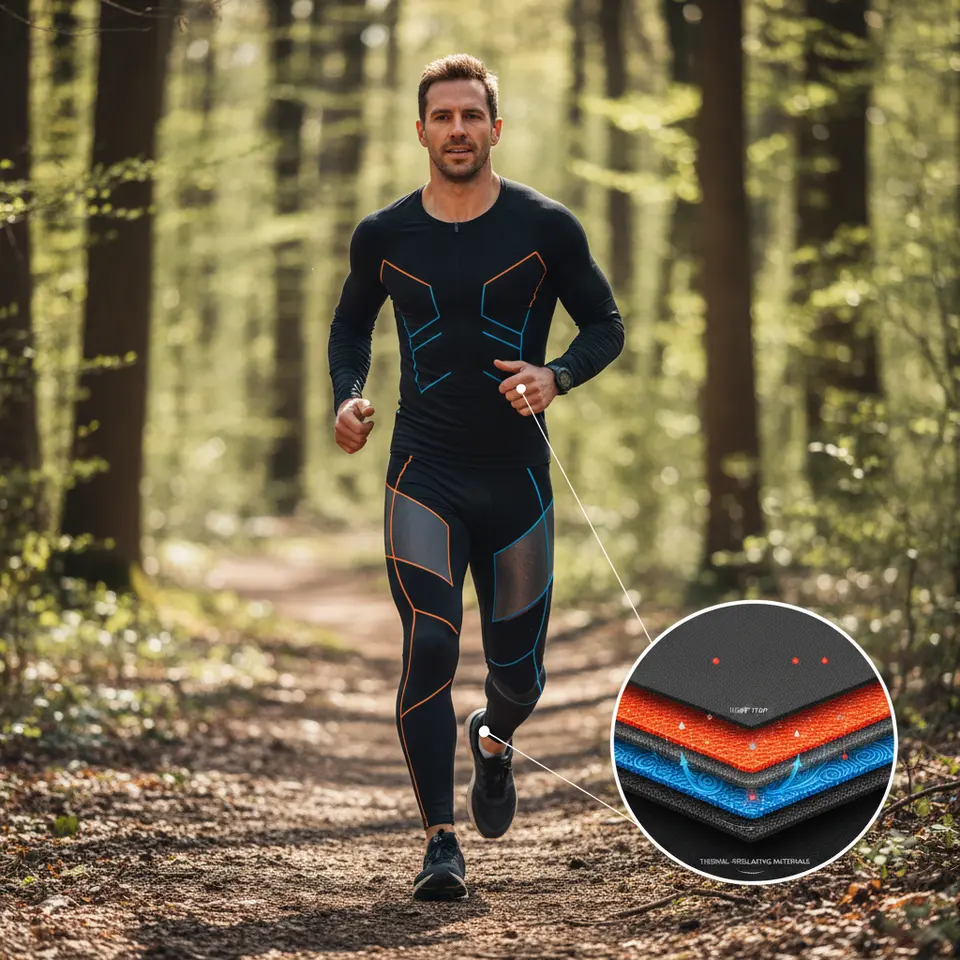
The cornerstone of any excellent sportswear wardrobe lies in fabric innovation. Advanced textiles blend synthetic and natural fibers to achieve an ideal balance of stretch, durability, and moisture control. By understanding the unique properties of each material, you can make informed decisions tailored to your specific workouts and environmental conditions.
Performance Synthetics: Polyester and Nylon Blends
Polyester remains a workhorse in activewear thanks to its strength, quick-drying nature, and resistance to shrinking or fading. When combined with elastane (spandex), it delivers four-way stretch for uninhibited movement and shape retention. Nylon offers a silkier hand feel and exceptional tear resistance, making it a popular choice for leggings and seamless designs. Blends of polyester and nylon maximize both moisture-wicking and durability, ensuring your gear withstands numerous washes and rigorous training sessions.
Natural and Sustainable Fibers
Eco-conscious athletes are turning to natural fibers like merino wool, bamboo viscose, and organic cotton for their inherent breathability and odor-resistant properties. Merino wool excels at temperature regulation and can be worn for multi-day activities without developing unpleasant smells. Bamboo viscose delivers a soft, luxurious feel against the skin, though it may require gentler laundering. Brands offering recycled polyester or nylon blends reduce landfill waste and lower carbon footprints without sacrificing performance.
Innovations in Smart Textiles
Smart fabrics embedded with microcapsules or conductive threads are redefining the future of sportswear. These textiles can react to temperature shifts, deliver gentle compression where needed, or even connect to wearable devices for biometric monitoring. For insights into the latest research on smart textiles, visit the National Center for Biotechnology Information to explore peer-reviewed studies demonstrating these fabrics’ capabilities.
When evaluating your next athletic purchase, consider not only the fiber composition but also the environmental impact and technological enhancements driving the ultimate sportswear guide of modern performance gear.
Maximizing Fit and Functionality with Modern Designs

An expertly engineered fit is just as important as the fabric itself. Contemporary activewear designers focus on creating silhouettes that support natural body mechanics, reduce drag, and adapt to a range of body types. The right fit enhances comfort and confidence, allowing you to concentrate entirely on your workout goals.
Compression and Ergonomic Silhouettes
Compression garments apply graduated pressure to targeted muscle groups, fostering improved circulation and quicker recovery. Ergonomic silhouettes, shaped through 3D pattern mapping, follow the contours of your body, providing support where you need it and freedom where you want it. Whether you choose a mid-rise compression legging or a seamless performance top, these designs reduce strain on joints and muscles, especially during prolonged sessions.
Adjustable and Adaptive Features
Innovative closures, drawcord-adjustable waistbands, and convertible hems let you fine-tune your fit on the fly. Many activewear lines now include removable liners, zippered pockets, and modular attachments like detachable hoods or reflective tabs. These adaptable features cater to multi-sport athletes and travelers, ensuring your gear evolves with the demands of each activity.
Ventilation and Mesh Integration
Strategic placement of mesh panels and ventilation channels in high-sweat areas helps maintain airflow during intense efforts. Laser-cut mesh and perforated fabrics inside cycling jerseys, running shorts, or training tanks elevate breathability without compromising structural integrity. Modern designs also incorporate gussets and articulated seams, eliminating restrictive stitching and enhancing freedom of movement.
By prioritizing fit and functionality, you invest in sportswear that moves as dynamically as you do. Expect a seamless connection between your body and your gear, paving the way for improved performance and accelerated gains.
Styling and Accessorizing Your Athletic Wardrobe
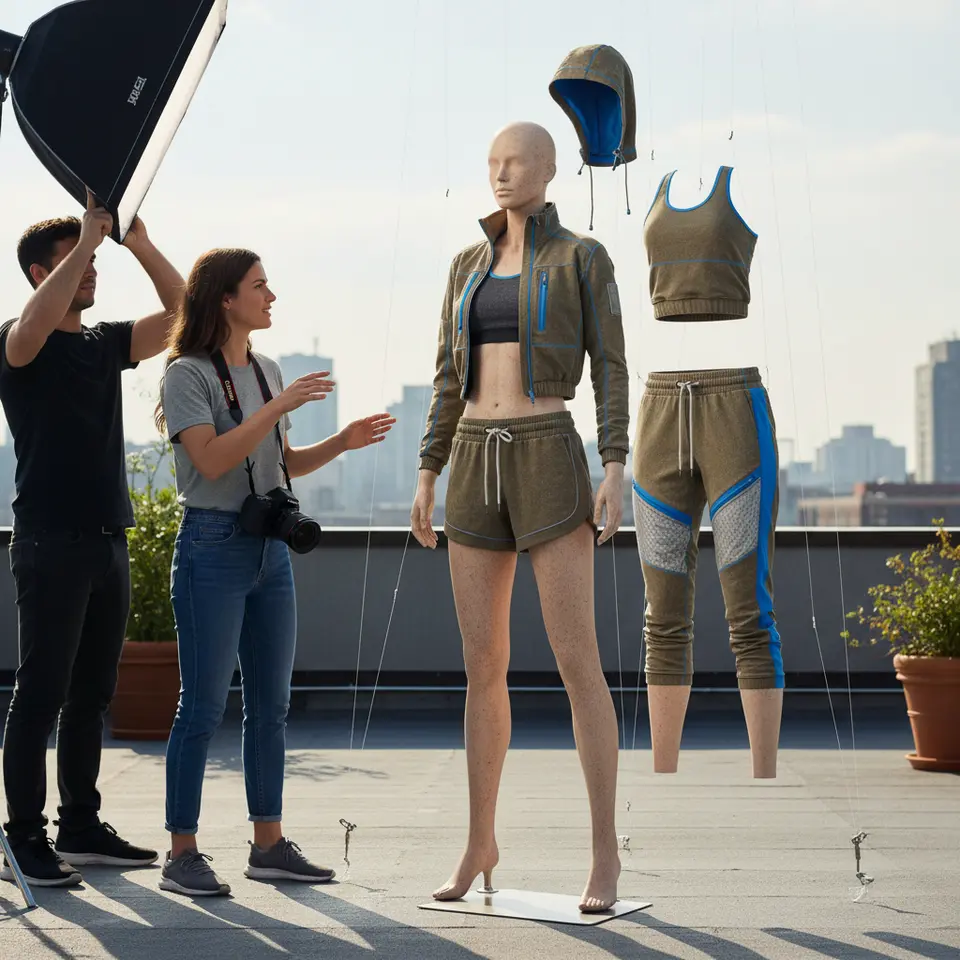
Sportswear extends beyond performance metrics; it’s also an expression of personal style. Today, athleisure dominates both studio floors and city streets, blurring the line between workout gear and everyday attire. With thoughtful layering and accessory choices, you can create versatile ensembles that transition seamlessly from gym to sidewalk.
Coordinated Color Schemes and Layering
Monochrome outfits deliver a sleek, elongating effect, while pops of contrasting color highlight key areas like shoulders or calves. Layer moisture-wicking base layers under lightweight jackets or zip-up hoodies for a polished yet practical aesthetic. Mixing textures—such as pairing a matte compression legging with a glossy windbreaker—adds visual interest without sacrificing functionality.
Key Accessories for Enhanced Performance
Invest in high-grip training shoes tailored to your sport, supportive socks with arch compression, and sweat-resistant headbands or caps for moisture control. Multifunctional pieces like convertible pants and reversible tops maximize closet efficiency. For hydration and nutrition on the go, consider vests with built-in pockets or waist belts designed to hold water bottles and energy gels securely.
From Studio to Street: Transitional Looks
When you need to hop from a Pilates class to a coffee meetup, simply add a denim jacket or a bomber coat over your active set. Elevated sneakers, minimalist backpacks, and statement sunglasses instantly dress up your sportswear. Embrace versatile silhouettes and neutral palettes that adapt to casual or semi-formal settings without clashing.
With the ultimate sportswear guide as your reference, you can curate a wardrobe that meets both your performance needs and style aspirations. Experiment confidently, knowing every piece is chosen to enhance your look and your workout.
Seasonal and Sustainable Sportswear Innovations
Seasonal changes demand strategic adjustments to your athletic wardrobe. In addition, sustainability has become a key factor in sportswear design, driving the creation of eco-friendly fabrics and manufacturing processes that minimize environmental impact.
Adapting to Heat and Cold
During summer sessions, prioritize lightweight, UV-protected materials with high ventilation to beat the heat. Sleeveless tanks, mesh-backed shorts, and quick-dry swim fabrics help you stay cool during outdoor runs or water sports. In colder conditions, thermal base layers, windproof shells, and water-resistant outerwear maintain core warmth without bulk. Layer your gear so you can shed pieces as your body temperature rises, striking the ideal balance between insulation and breathability.
Eco-Friendly and Smart Fabrics
Brands are embracing recycled polyester, regenerated nylon, and bio-based fibers like Tencel or organic cotton to reduce waste. Government initiatives, such as those outlined by the Environmental Protection Agency , promote sustainable textile production and responsible sourcing. Smart fabrics infused with phase-change materials or conductive yarns enable adaptive warmth or real-time biometric monitoring, offering performance advantages while championing eco-conscious practices.
Looking Ahead in Activewear
The future of sportswear blends sustainability, technology, and personalization. Expect to see garments that harvest solar energy, modify compression zones in response to muscle fatigue, or self-regulate temperature through embedded sensors. These advancements, guided by ongoing research from top institutions, will redefine how we train, recover, and dress for active living.
By staying informed about seasonal requirements and innovative materials, you’ll build a forward-thinking wardrobe that supports your goals and aligns with your values in this ultimate sportswear guide.
Conclusion
From fabric selection and fit considerations to styling advice and cutting-edge innovations, mastering sportswear is essential for every athlete. This ultimate sportswear guide has explored how advanced materials, ergonomic designs, and thoughtful accessories work together to optimize comfort, enhance performance, and express personal style. By curating garments suited to your workout intensity, seasonal conditions, and environmental values, you ensure each session is distraction-free and goal-focused. Proper care—cold washes, gentle detergents, and air drying—extends the life of your gear, preserving elasticity, color, and functional features. As sustainability and smart textiles gain prominence, the activewear landscape will continue evolving, offering responsive, planet-friendly options. Embrace these advancements to build a versatile, high-functioning athletic wardrobe that supports your training objectives and reflects your commitment to both performance and the planet. Use this ultimate sportswear guide as your roadmap to comfortable, durable, and stylish athletic apparel ready to elevate every workout. Whether you’re hitting the track, the trail, or the streets, the right sportswear can transform how you move, train, and succeed.