Upgrade your workouts instantly. Choosing the right Sportswear Essentials transforms your training, boosting confidence and output. Discover how premium gear optimizes your daily movement and recovery.
This comprehensive guide explores the core Sportswear Essentials every athlete needs. We cover moisture-wicking fabrics, strategic layering, and supportive footwear. You will learn expert tips, avoid common buying mistakes, and discover how the right athletic apparel maximizes your overall comfort and athletic peak performance.
Why Sportswear Essentials Matter for Peak Performance
Your athletic clothing directly impacts how your body regulates temperature, manages fatigue, and moves through space. High-quality Sportswear Essentials do much more than look good; they serve as functional equipment that supports your physical output. When you wear garments designed for specific activities, you reduce friction, lower the risk of chafing, and maintain an optimal core temperature.
Choosing the right gear also delivers a psychological boost. When you feel comfortable and supported, you push harder and stay focused on your goals. The concept of “enclothed cognition” suggests that the clothes you wear influence your psychological processes. Putting on dedicated athletic gear signals to your brain that it is time to train, enhancing your focus and determination.
The Science of Comfort and Mobility
Modern activewear utilizes advanced fabric technology to enhance human movement. By integrating multi-way stretch materials and anatomical seaming, these garments move seamlessly with your body. Whether you engage in high-intensity interval training or long-distance running, possessing the right foundation ensures you never feel restricted.
Biomechanical engineering plays a massive role in apparel design today. Brands map human movement to place seams away from high-friction areas. They use body-mapping technology to place breathable mesh exactly where the body produces the most heat. This scientific approach ensures that your clothing enhances your range of motion rather than limiting it.
Mini-Conclusion: Prioritizing scientifically designed apparel guarantees that your clothing works with you, not against you, during intense physical exertion.
Core Sportswear Essentials You Need in Your Wardrobe
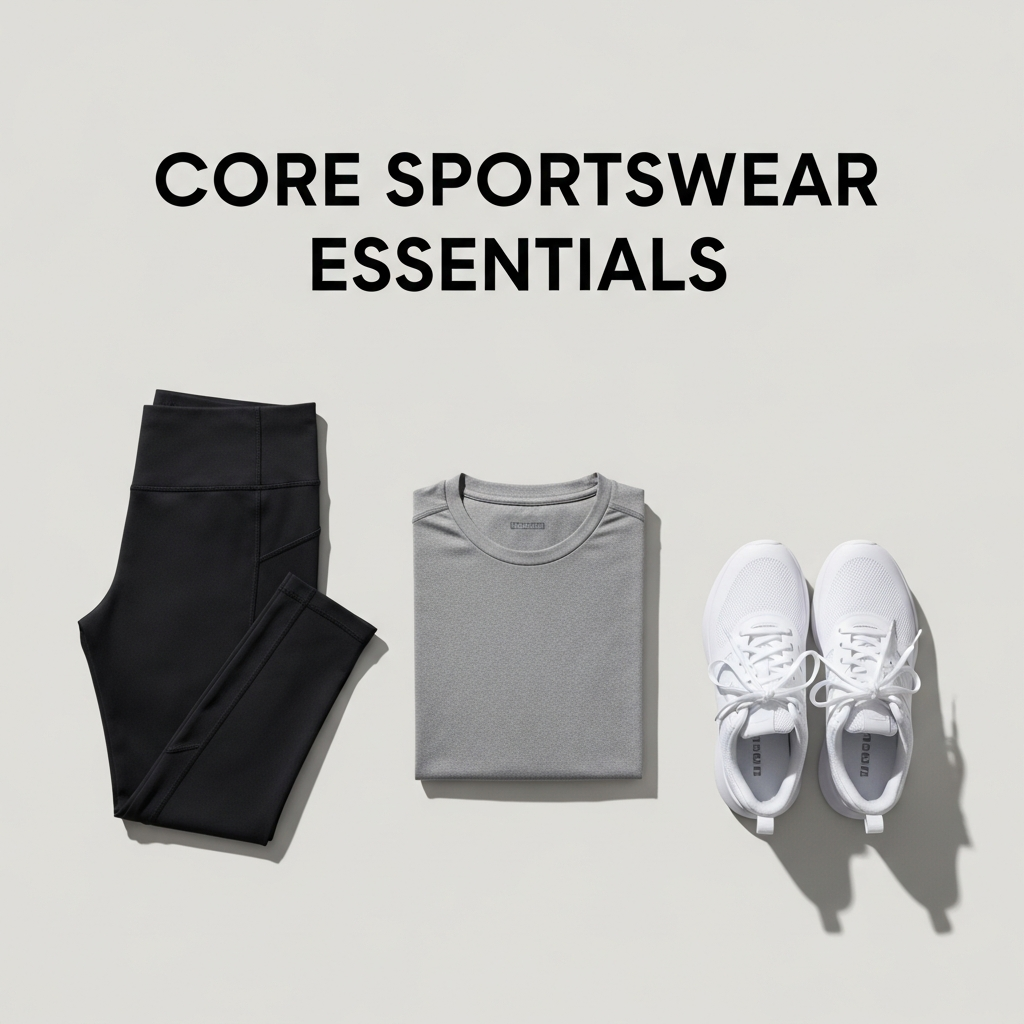
Building a versatile athletic wardrobe requires focusing on pieces that offer maximum utility across different climates and activities. You do not need a massive closet, but you do need strategic items that work together.
Moisture-Wicking Base Layers
Base layers sit directly against your skin and manage sweat. Look for synthetic blends like polyester and nylon that pull moisture away from your body, allowing it to evaporate quickly. This keeps you dry, prevents chills during outdoor winter workouts, and prevents overheating in the summer.
A good base layer acts as a second skin. It should fit snugly without restricting breathing. For upper body garments, look for flatlock seams that prevent chafing across the shoulders and chest. For lower body base layers, prioritize gusseted crotches for maximum mobility and durability.
Flexible Performance Bottoms
Depending on your preferred activity, you need bottoms that offer the right balance of compression and freedom.
- Compression tights: Excellent for running and workout recovery, offering muscle support and increased blood flow. They help reduce muscle oscillation during high-impact sports, which lowers fatigue.
- Lightweight shorts: Ideal for agility drills and warm-weather training. Look for unlined versions if you prefer to wear your own compression gear, or lined versions for an all-in-one solution.
- Joggers: Perfect for warm-ups, cool-downs, and casual athleisure wear. Tapered fits prevent the fabric from catching on equipment like barbell collars or bicycle pedals.
- Yoga pants: Engineered for maximum four-way stretch. These usually feature a high, wide waistband that stays in place during inversions and deep stretches.
Supportive Athletic Footwear
Never compromise on your footwear. Your shoes dictate your alignment and absorb the impact of every step. Select shoes specific to your sport—running shoes for forward momentum, cross-trainers for lateral stability, and lifting shoes for a flat, grounded base.
Proper footwear prevents a chain reaction of injuries that can travel from your feet up to your knees, hips, and lower back. Exploring various fitness accessories like performance socks with arch support will further prevent blisters and improve shoe fit.
Mini-Conclusion: Establishing a wardrobe with these fundamental pieces ensures you remain prepared for any athletic endeavor, regardless of the environment.
Deep Dive: Fabric Technology for Sportswear Essentials
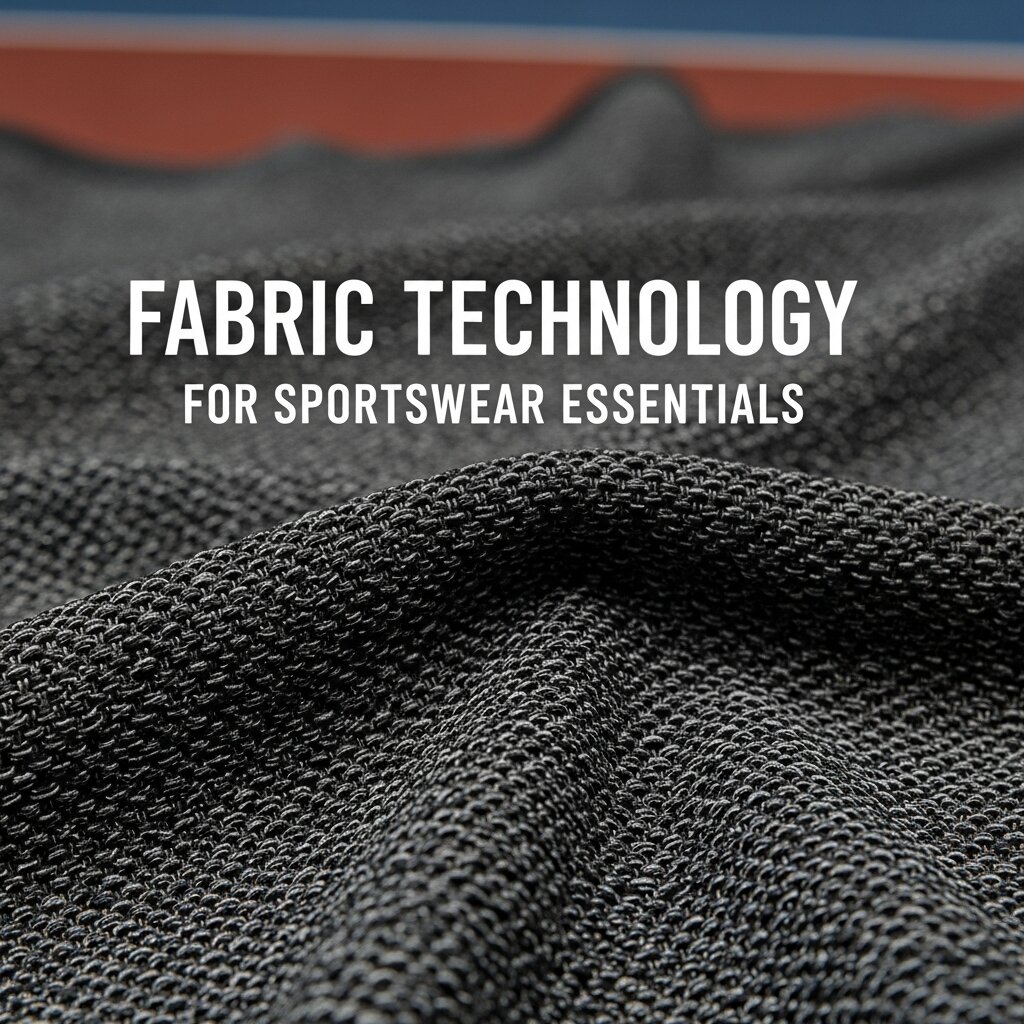
Understanding fabric properties helps you make informed purchasing decisions. The materials you choose dictate how well your gear performs under pressure.
The Evolution of Synthetic Blends
Decades ago, athletes trained in heavy cotton sweatsuits. Today, synthetic blends dominate the market. Polyester and nylon undergo specific treatments to enhance their natural properties. Manufacturers weave these fibers into micro-structures that actively channel moisture.
Spandex, also known as elastane, provides the stretch necessary for athletic movement. Even a small percentage of spandex (like 2% to 5%) completely changes how a garment drapes and moves.
Natural Fibers in Modern Athletics
While synthetics rule high-intensity training, natural fibers still hold a crucial place. Merino wool remains the gold standard for outdoor athletes. It naturally regulates temperature, wicks moisture, and resists odors better than any synthetic alternative. Bamboo is also emerging as a highly breathable, sustainable option for yoga and light training apparel.
Expanded Fabric Comparison Table
Use this detailed comparison table to select the best materials for your specific needs:
|
Fabric Type |
Breathability |
Moisture-Wicking |
Odor Resistance |
Stretch |
Best Used For |
|---|---|---|---|---|---|
|
Polyester |
High |
Excellent |
Low |
Low (unless blended) |
High-intensity workouts, running, team sports |
|
Nylon |
Very High |
Excellent |
Medium |
High |
Stretchy activewear, compression gear, durable shorts |
|
Merino Wool |
Medium-High |
Good |
Excellent |
Medium |
Cold-weather training, hiking, multi-day treks |
|
Bamboo |
High |
Good |
Good |
High |
Yoga, pilates, low-impact training, casual wear |
|
Cotton |
Low |
Poor |
Medium |
Low |
Casual wear, weightlifting (for grip), rest days |
|
Spandex/Elastane |
Low |
Fair |
Low |
Extreme |
Blended into other fabrics for maximum mobility |
Sport-Specific Gear Guides
Not all workouts require the same gear. Tailoring your Sportswear Essentials to your specific discipline yields the best results.
Running and Cardiovascular Training
Runners require minimal weight and maximum breathability. High-visibility colors and reflective detailing become crucial for early morning or late evening runs.
- Tops: Singlets or ultra-lightweight t-shirts with mesh back panels.
- Bottoms: Split shorts for maximum stride length or compression tights for cold weather.
- Extras: Anti-blister running socks and lightweight, sweat-wicking headbands.
Strength Training and Powerlifting
Lifters need durable fabrics that withstand abrasion from knurled barbells. Stretch is less important than stability and grip.
- Tops: Heavier cotton blends help the barbell grip your back during squats.
- Bottoms: Durable shorts that sit above the knee to avoid catching on deadlifts.
- Footwear: Hard, flat-soled shoes that provide a stable base for heavy pushes.
Yoga and Mobility Work
Flexibility and comfort define the perfect yoga wardrobe. You want clothing that stays put when you turn upside down.
- Tops: Form-fitting tanks that do not fall over your face during downward dog.
- Bottoms: High-waisted, seamless leggings that offer four-way stretch without going sheer.
- Extras: Grip socks if practicing without a mat.
Common Mistakes to Avoid
Many athletes hinder their own progress by making simple wardrobe errors. Avoid these common pitfalls to maximize your training efficiency:
Wearing 100% Cotton for Cardio: Cotton absorbs and holds sweat. This leaves you feeling heavy, cold, and prone to severe chafing. Always opt for technical fabrics for high-sweat activities.
Ignoring Proper Fit: Excessively baggy clothes catch on equipment, while overly tight garments restrict circulation. Seek a tailored, ergonomic fit that skims the body without squeezing.
Skipping the Sports Bra: For women, inadequate chest support leads to discomfort and tissue damage. Invest in high-impact support for rigorous activities like running, and medium-impact for cycling or strength training.
Wearing Old Shoes: Athletic shoes lose their shock absorption over time. Replace them every 300 to 500 miles to prevent joint pain, plantar fasciitis, and shin splints.
Over-washing Technical Gear: Washing premium activewear after a light, sweat-free session wears down the elastic fibers prematurely. Air out lightly used gear instead.
Ignoring the Weather Forecast: Stepping out for a run without proper wind-blocking layers turns a good workout into a miserable, freezing experience. Always check the weather and layer accordingly.
Choosing Fashion Over Function: Buying gear solely because it looks good often backfires. Ensure the garment actually performs under stress before removing the tags.
The Role of Layering in Outdoor Training
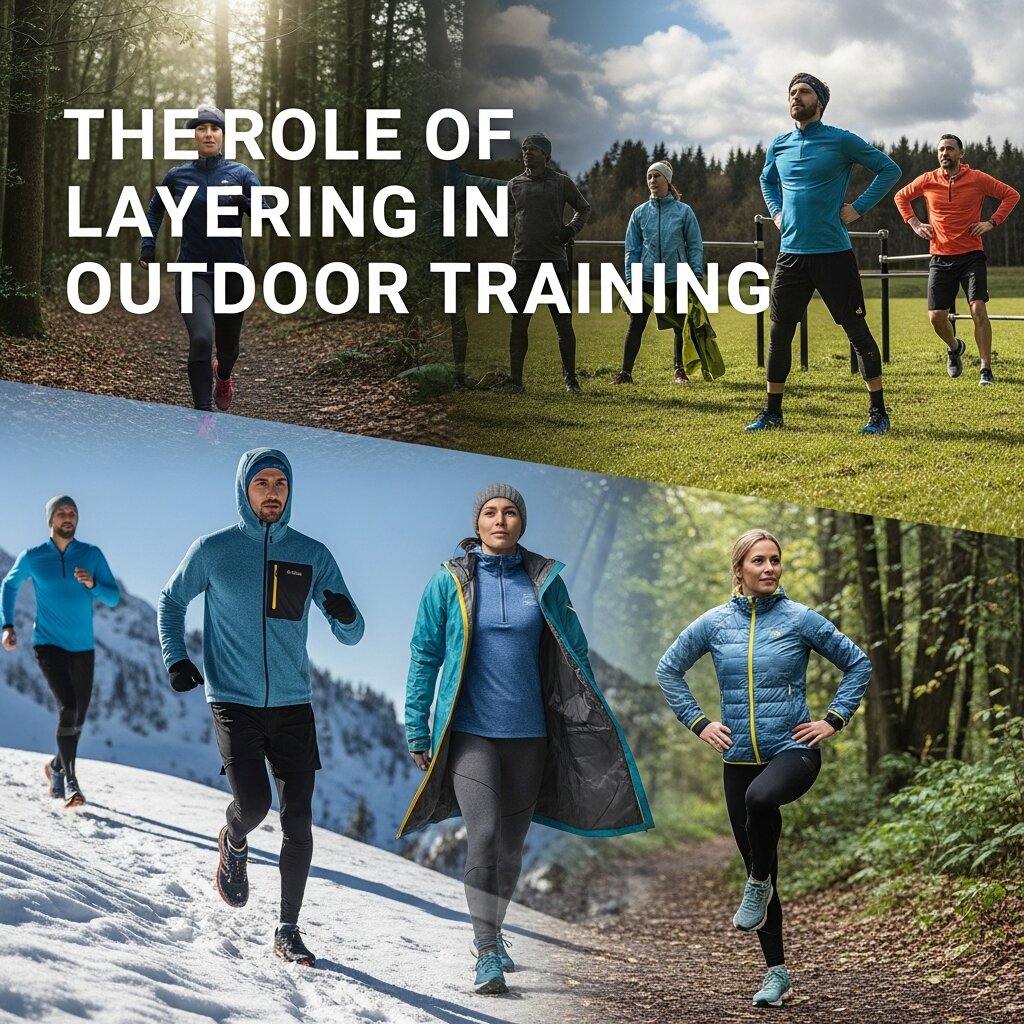
Outdoor athletes face rapidly changing conditions. Mastering the three-layer system ensures you stay comfortable from the trailhead to the summit.
The Base Layer: Moisture Management
As discussed, the base layer handles sweat. In winter, opt for a thermal base layer with a brushed interior to trap tiny pockets of warm air against your skin.
The Mid Layer: Insulation
The mid layer provides warmth. Fleece pullovers, light down jackets, or synthetic insulated vests work perfectly here. The goal is to trap heat while still allowing moisture vapor to escape from the base layer.
The Outer Shell: Weather Protection
Your outer shell shields you from wind, rain, and snow. Look for jackets equipped with DWR (Durable Water Repellent) coatings. Pit zips (zippers under the armpits) offer crucial mechanical ventilation when you start overheating.
Sustainable Activewear: The Future of Fitness Fashion
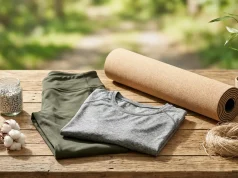
The athletic apparel industry is shifting toward eco-friendly production. Many top brands now offer sustainable activewear made from recycled plastics, discarded fishing nets, and organic materials.
Choosing sustainable explores the core Sportswear Essentials reduces your carbon footprint without sacrificing elite performance. Recycled polyester offers the exact same moisture-wicking and durability properties as virgin polyester. Brands are also adopting closed-loop water systems to dye fabrics, drastically reducing toxic runoff. By supporting these initiatives, athletes contribute to a healthier planet while maintaining their competitive edge.
Pro Tips and Expert Insights
To truly elevate your game, industry experts recommend tailoring your Sportswear Essentials to your specific training environment.
Embrace the “Pinch Test”: When buying compression gear, pinch the fabric and pull it away from your body. It should snap back instantly. If it stays stretched or sags, the elastane is poor quality.
Invest in Seamless Technology: Seamless apparel is knit in a circular tube rather than stitched together from flat panels. This entirely eliminates the bulky seams that cause friction and chafing during long workouts.
Wash with Care: Never use fabric softeners on technical apparel. Softeners coat the fibers in a waxy residue that clogs the microscopic pores in the fabric, destroying their moisture-wicking capabilities. Wash in cold water and air dry.
Rotate Your Shoes: If you run or train daily, buy two pairs of athletic shoes and alternate them. This gives the EVA foam in the midsole a full 48 hours to decompress and return to its original shape, doubling the lifespan of both pairs.
Use a Guppyfriend Bag: When washing synthetic activewear, microplastics break off and enter the water system. Washing your gear in a specialized filter bag captures these microplastics and protects the environment.
Mini-Conclusion: Applying these expert strategies prolongs the life of your gear, protects your investment, and consistently enhances your athletic experience.
Conclusion
Investing in high-quality Sportswear Essentials drastically improves your training efficiency and daily comfort. By selecting the right fabrics and precision fits, you empower your body to achieve peak performance consistently. Upgrade your athletic wardrobe today, prioritize smart layering, and experience the transformative difference proper fitness gear makes in reaching your goals.
FAQs
1. What are the most important Sportswear Essentials for beginners?
Beginners should start with a moisture-wicking top, flexible athletic shorts or leggings, and a high-quality pair of cross-training shoes. These versatile items cover the basics of most workout routines and provide a solid foundation for building a fitness habit.
2. How do moisture-wicking fabrics actually work?
These fabrics feature specialized capillary structures that pull sweat away from the skin and push it to the outer surface of the garment. This allows the sweat to spread out and evaporate rapidly into the air, keeping your body dry, comfortable, and at a stable temperature.
3. How often should I replace my athletic shoes?
You should replace running and training shoes every 300 to 500 miles, or every six to eight months if you train intensely. Worn-out midsoles lose their ability to absorb impact, which often leads to joint pain and injuries.
4. Can proper gear prevent training injuries?
Yes. Appropriate footwear aligns your joints, while compression wear supports your muscles and enhances blood flow. This combination significantly reduces the risk of strains, sprains, and fatigue-related injuries.
5. What is the best fabric for outdoor winter training?
Merino wool serves as the ultimate winter fabric. It provides excellent natural insulation, remains breathable, and retains its warming properties even when it gets wet from sweat or snow. It also naturally resists odor-causing bacteria.
6. How should compression garments fit my body?
Compression gear should feel snug and supportive, acting like a second skin. However, it should never pinch, restrict your breathing, or limit your natural range of motion. If you feel numbness or tingling, size up immediately.
7. Are expensive athletic clothes worth the investment?
Premium activewear often utilizes advanced, durable fabrics and ergonomic stitching. While more expensive upfront, these garments outlast cheaper alternatives, hold their shape longer, and provide vastly superior comfort and performance over hundreds of workouts.
8. How do I properly care for my performance apparel?
Wash your activewear in cold water on a gentle cycle using a sport-specific detergent designed to break down body oils. Always avoid bleach and fabric softeners, and hang your garments to dry to preserve their elasticity and moisture-wicking technology.
9. What is the main difference between activewear and athleisure?
Activewear functions specifically for exercise, utilizing technical fabrics for high-level performance and durability. Athleisure blends athletic aesthetics with casual comfort, designed primarily for everyday lifestyle wear rather than intense, sweaty training.
10. Why is layering important for outdoor sports?
Layering allows you to trap body heat when you start your workout and easily shed garments as you warm up. This modular approach prevents both dangerous freezing and exhaustive overheating in unpredictable weather conditions.
11. Does the color of my workout gear matter?
Yes, color plays a practical role. Light colors reflect the sun’s rays, keeping you cooler during summer outdoor workouts. High-visibility colors like neon yellow or orange are essential for safety if you run near roadways or during low-light conditions.